
Amsterdam on a plate
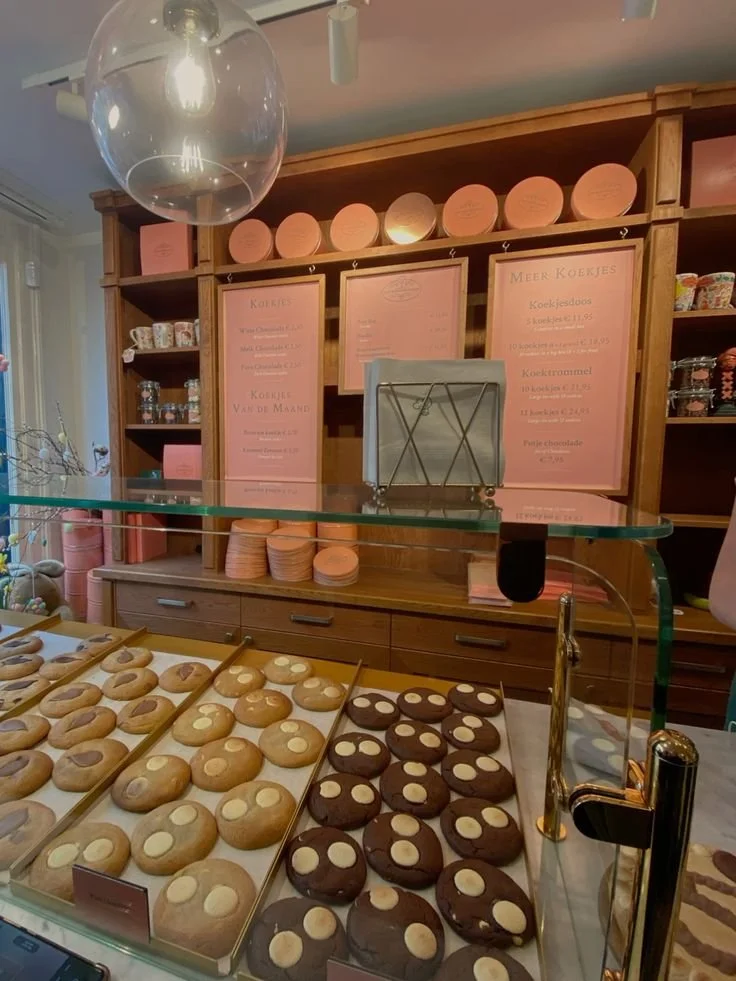
6 Culinary Rituals That Reveal the City’s Identity
Since everyone enjoyed the culinary side of our previous blog posts on Paris and Lisbon, we’re back again, this time uncovering Amsterdam through its food culture. Beyond canals and architecture, the city’s identity is deeply reflected in what people eat: simple, historic, international, and quietly full of character.
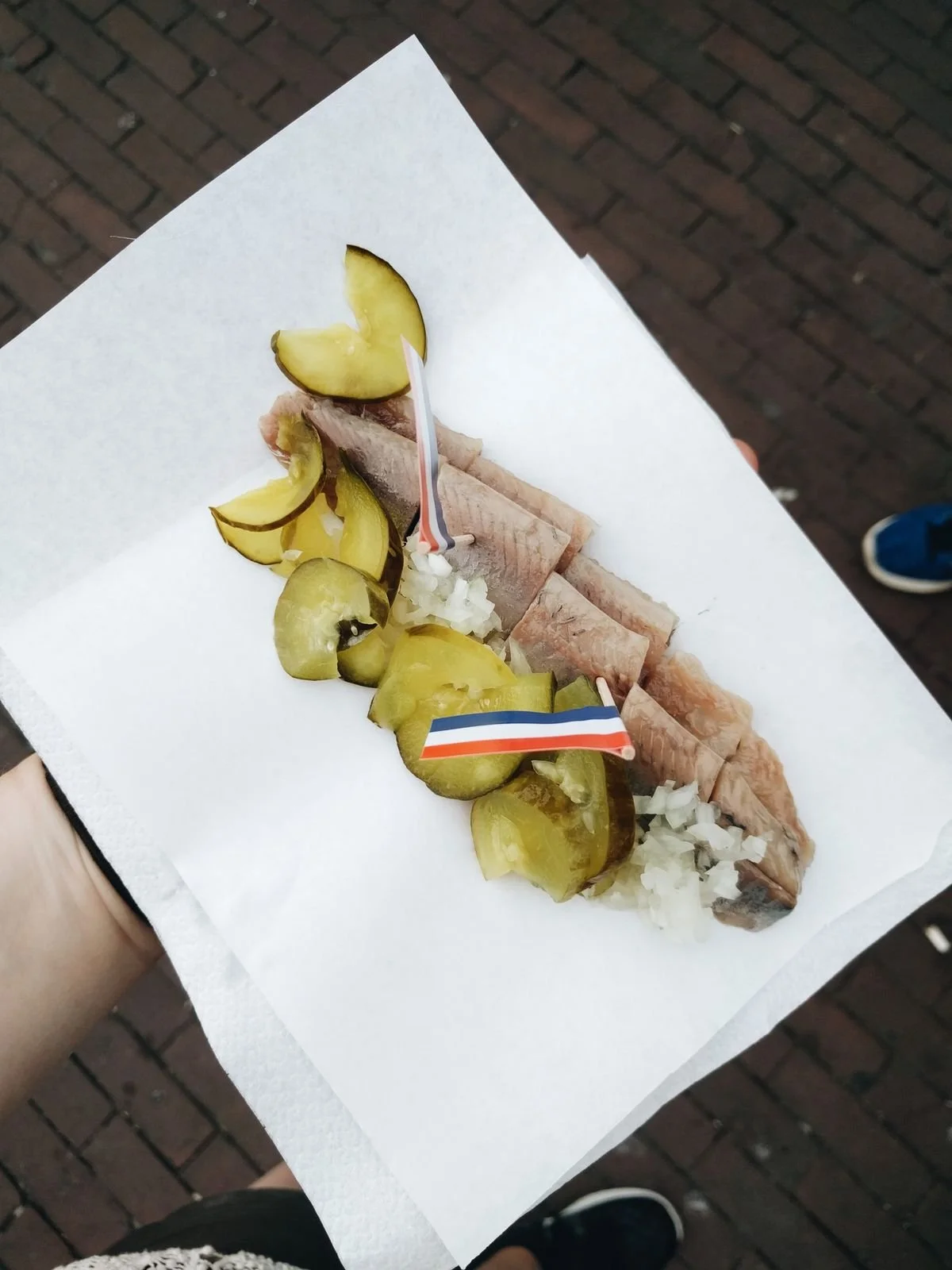
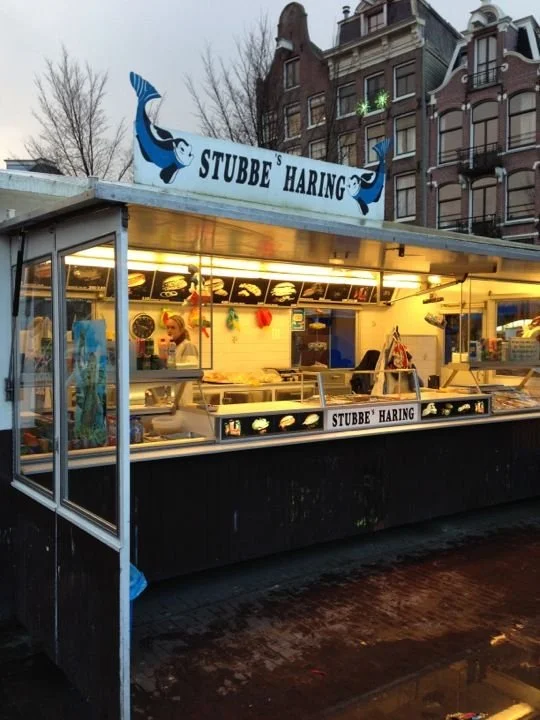
Herring eaten the traditional way
Raw herring (“haring”) is a Dutch classic, usually eaten with onions and pickles. It’s a direct, historic street food tradition still very much alive today.
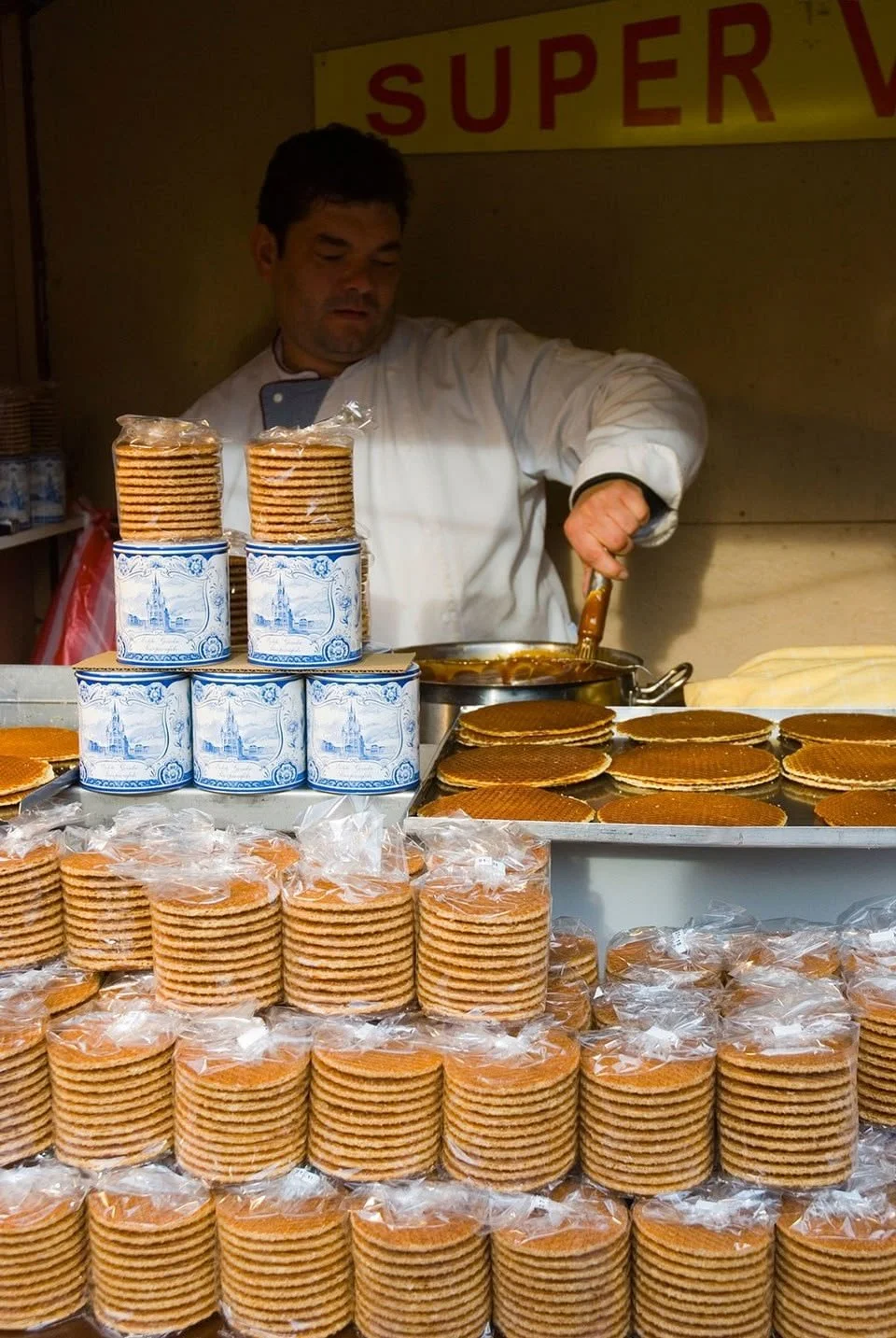
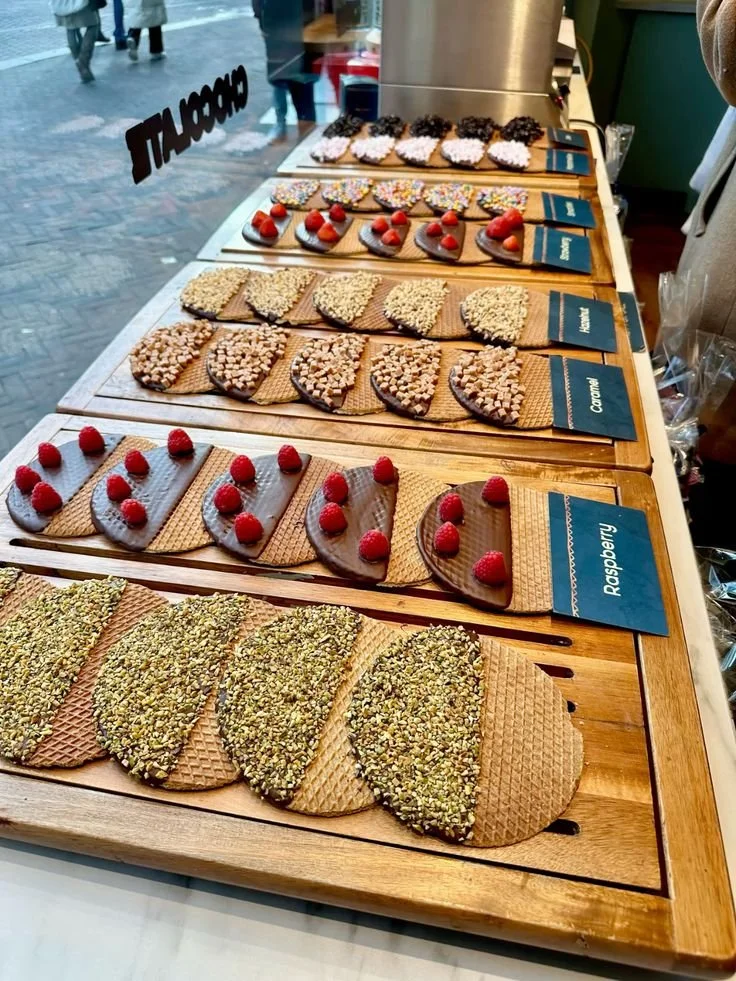
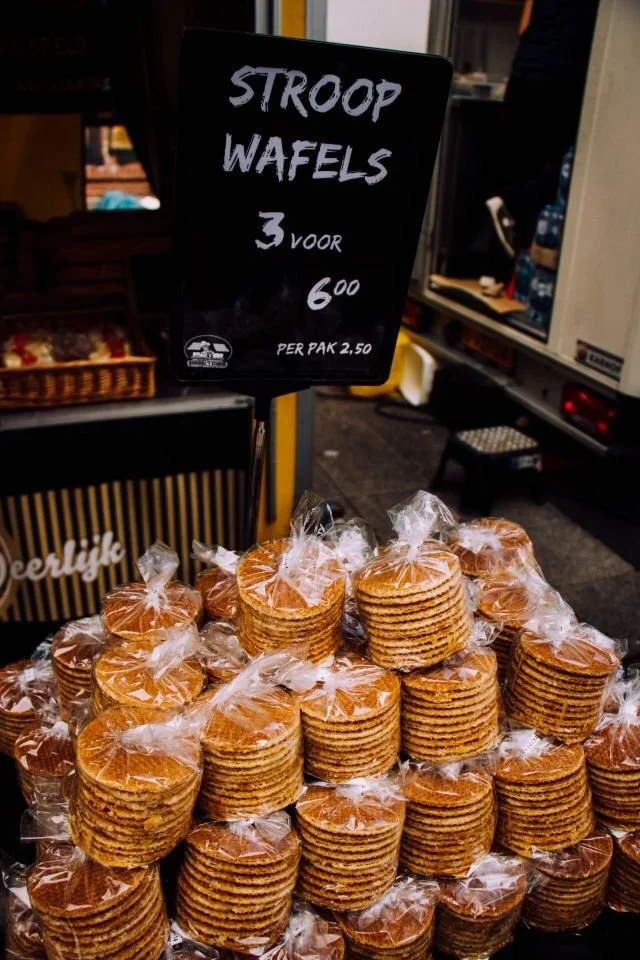
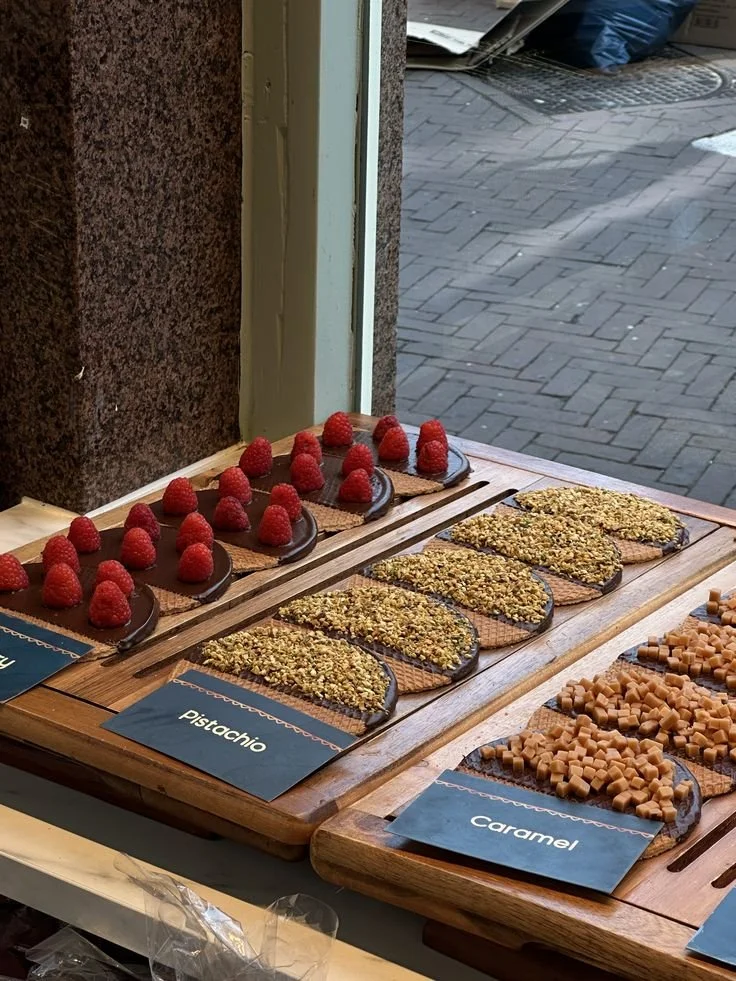
Stroopwafels as everyday comfort
Originally a working-class treat, stroopwafels have become one of Amsterdam’s most loved sweets, caramel-filled waffles often placed over coffee to warm and soften.
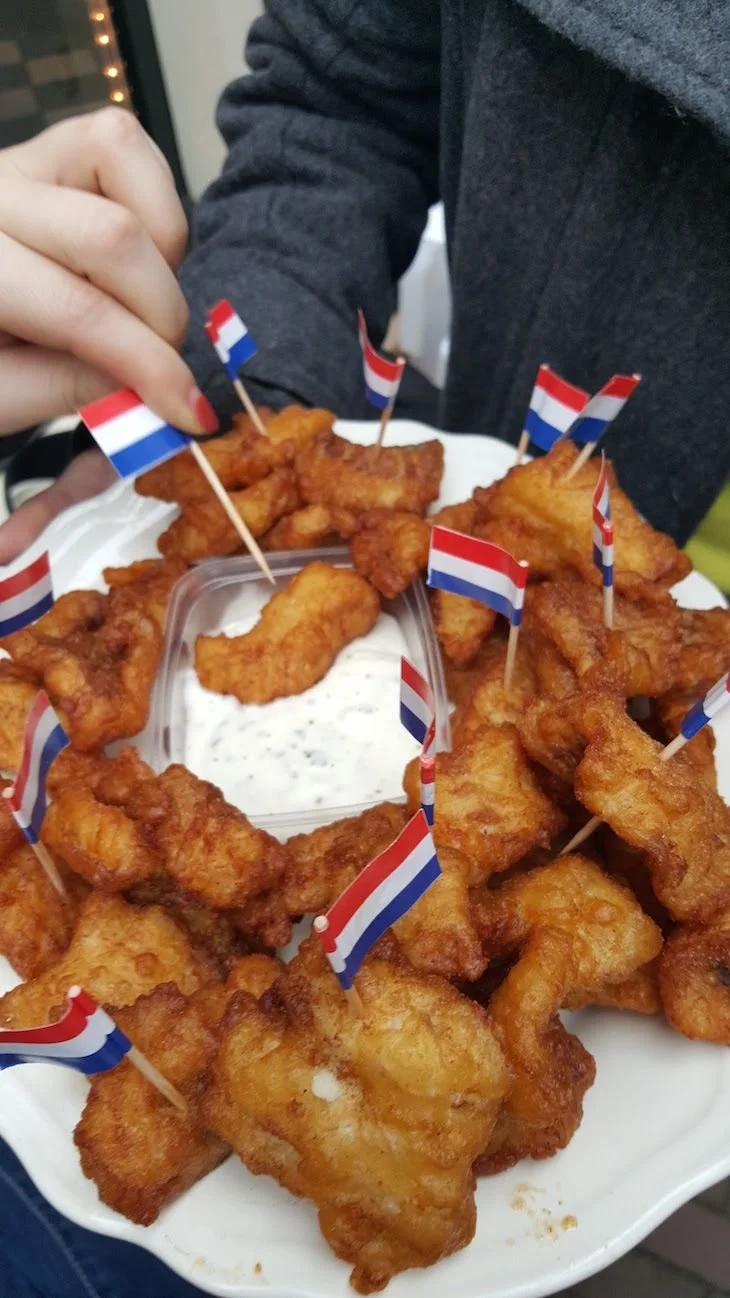
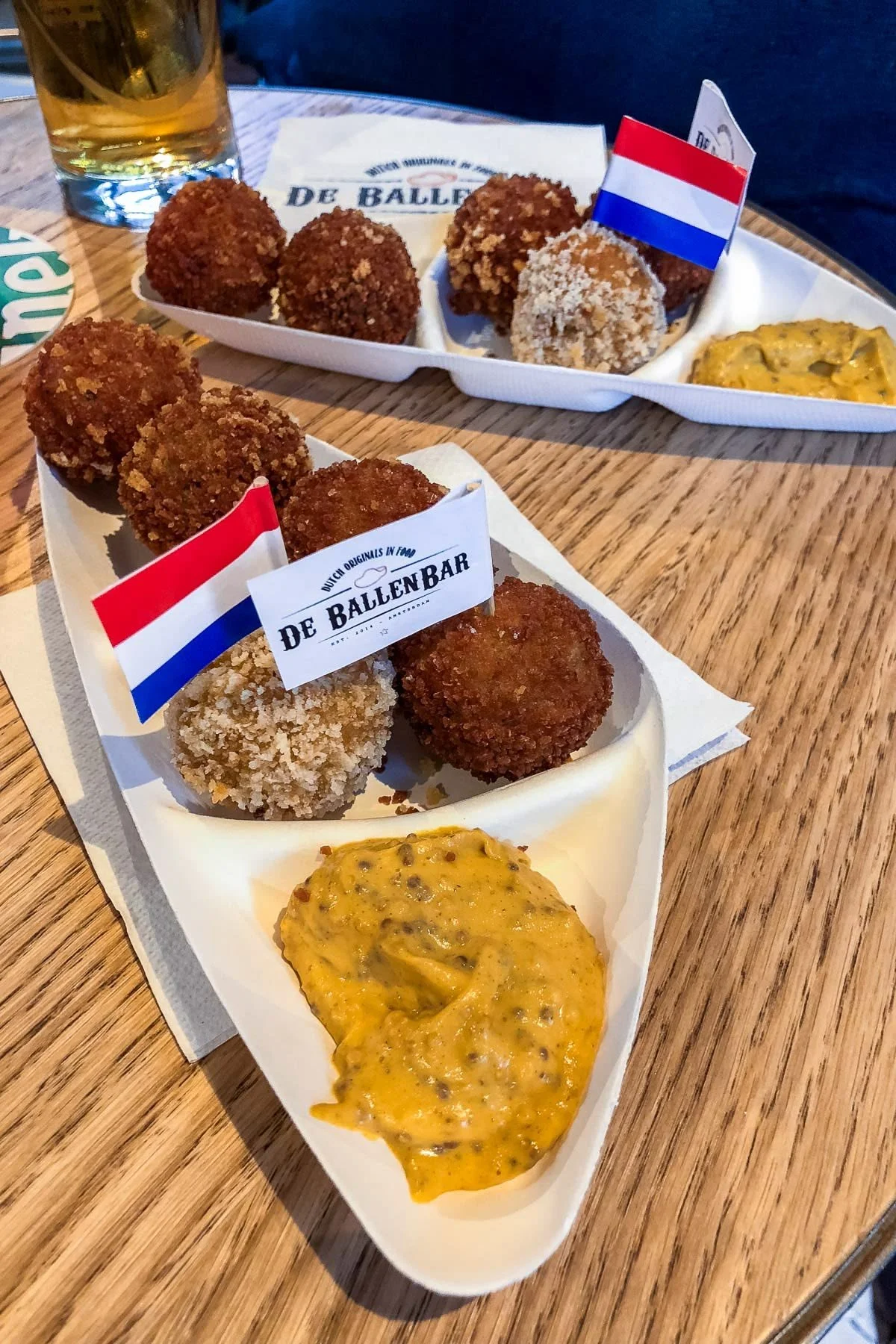
Bitterballen in café culture
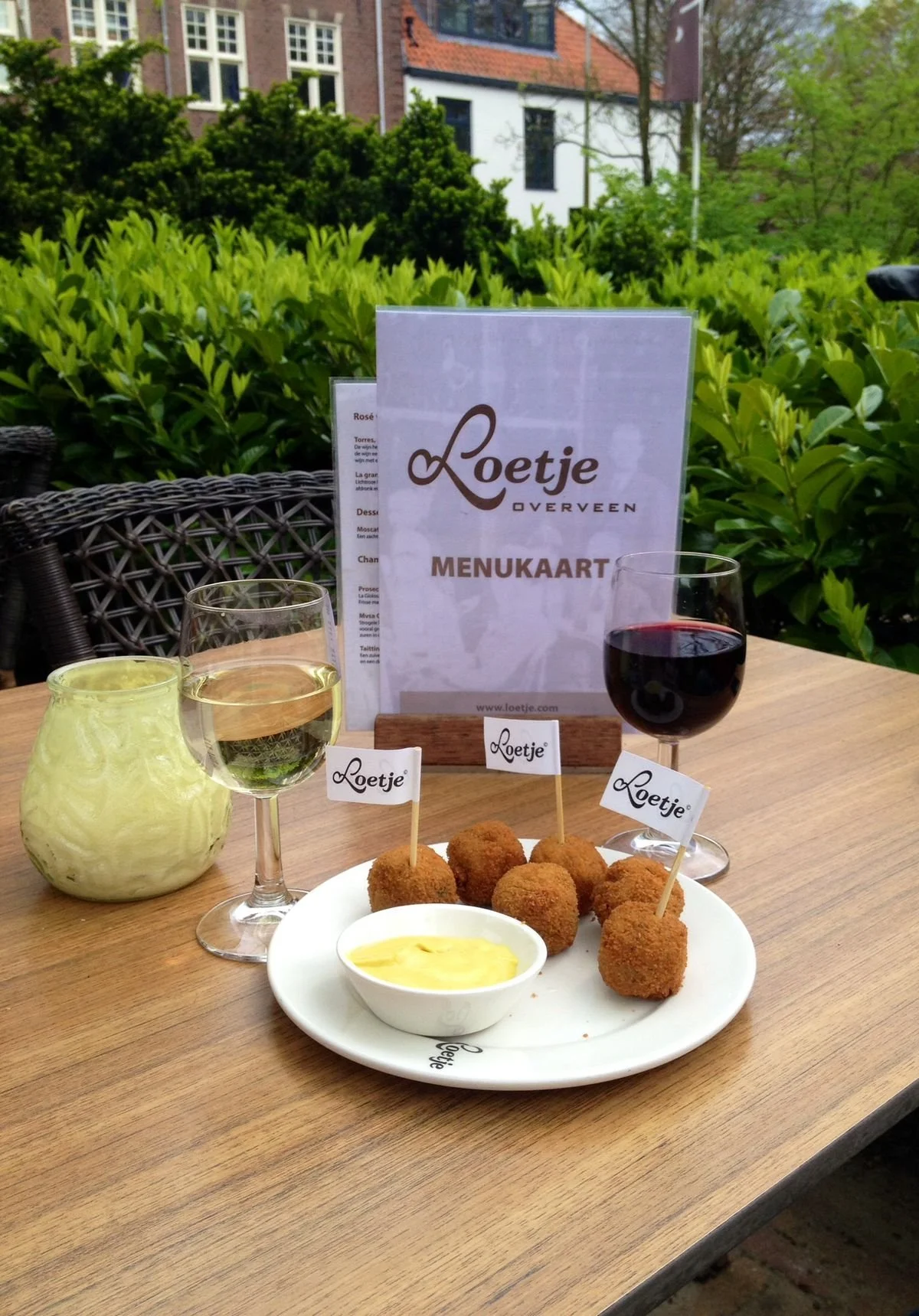
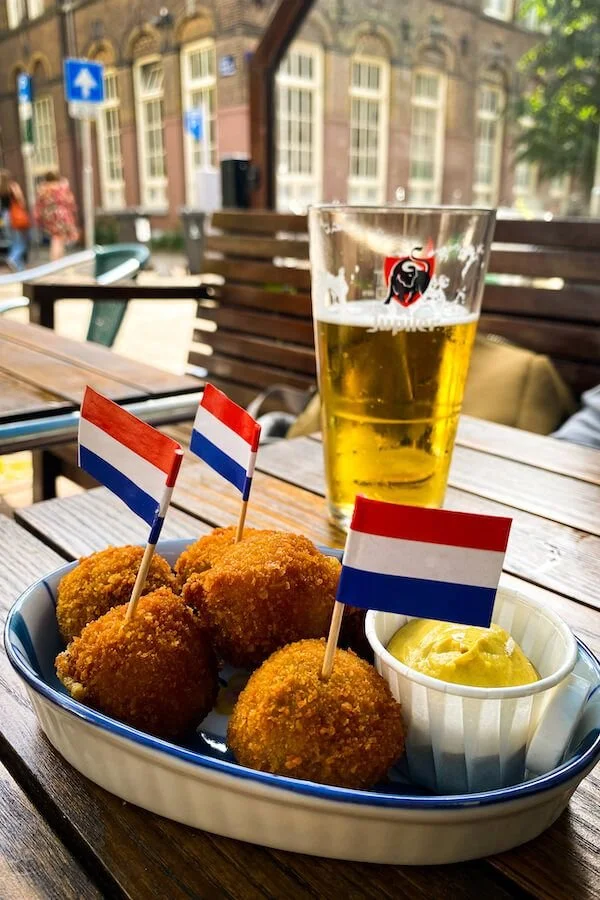
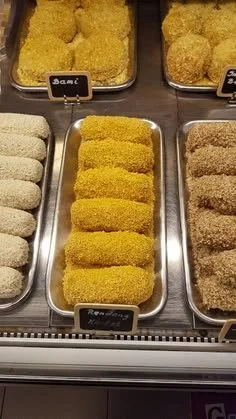
A staple snack in Dutch bars, bitterballen are crispy, deep-fried bites served with mustard and shared socially, especially during drinks.
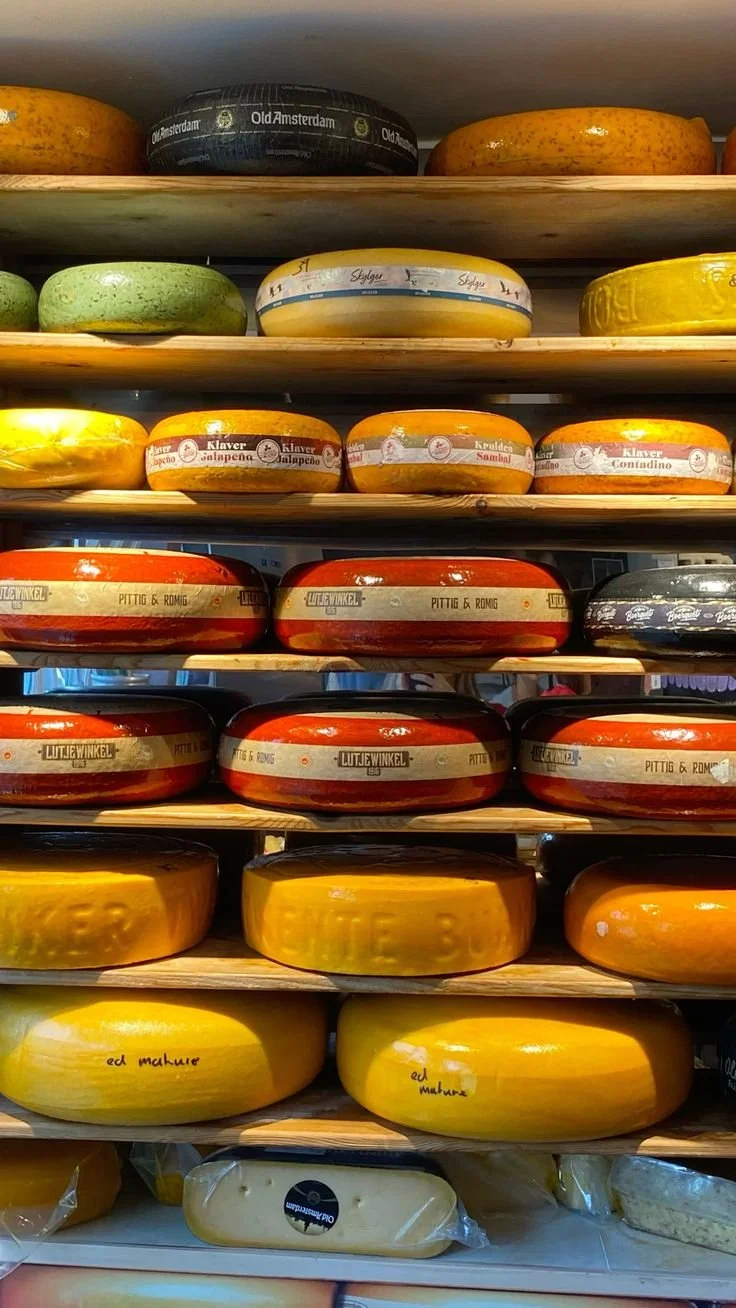
Dutch cheese as daily heritage
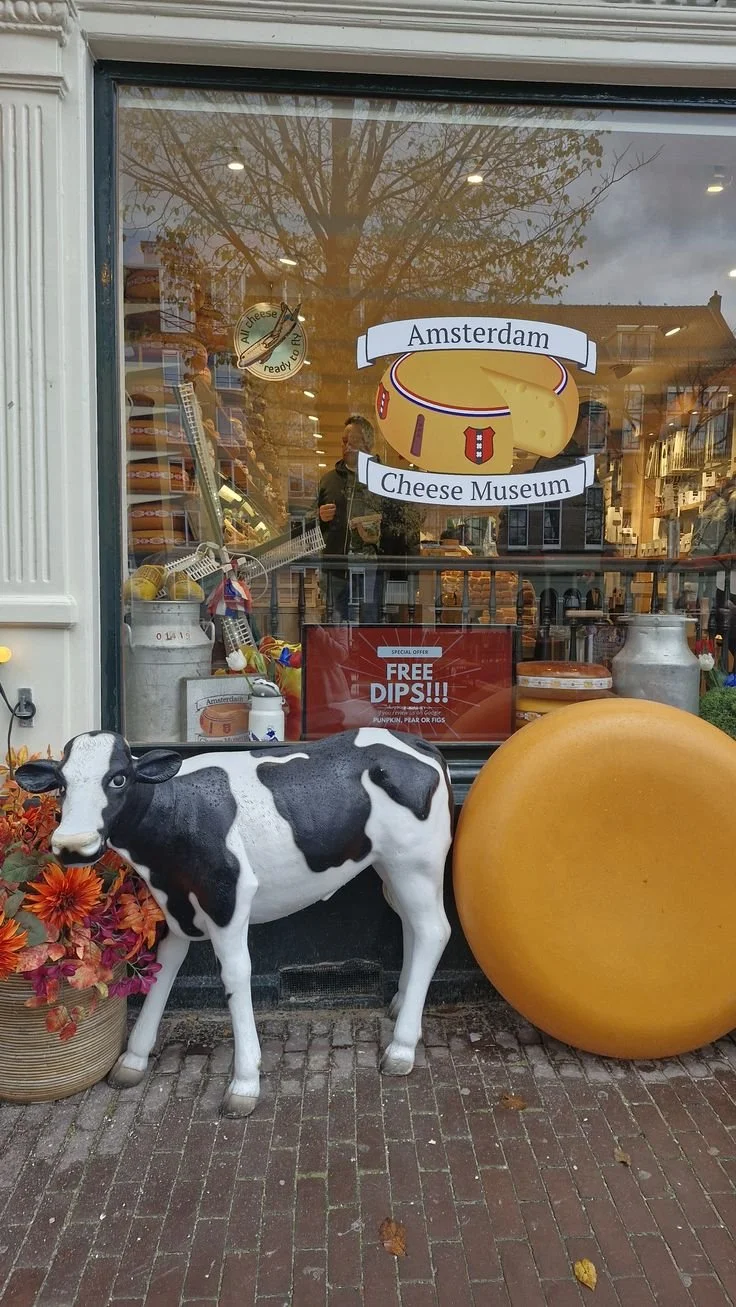
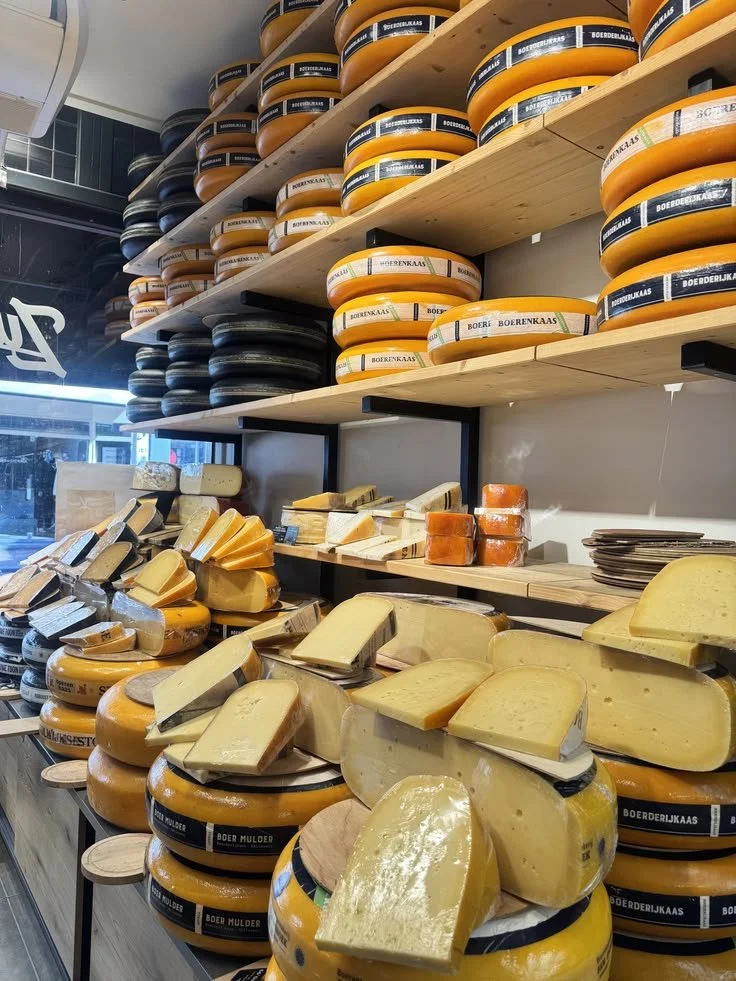
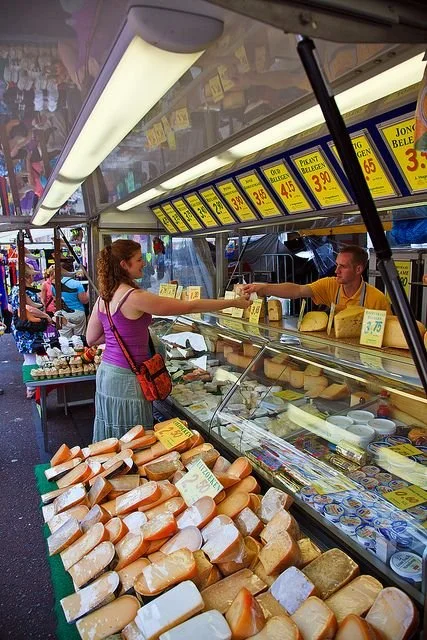
Cheese is not just food in the Netherlands, it’s culture. From Gouda to aged varieties, it remains a central part of everyday life and markets.
Indonesian influence on Dutch cuisine
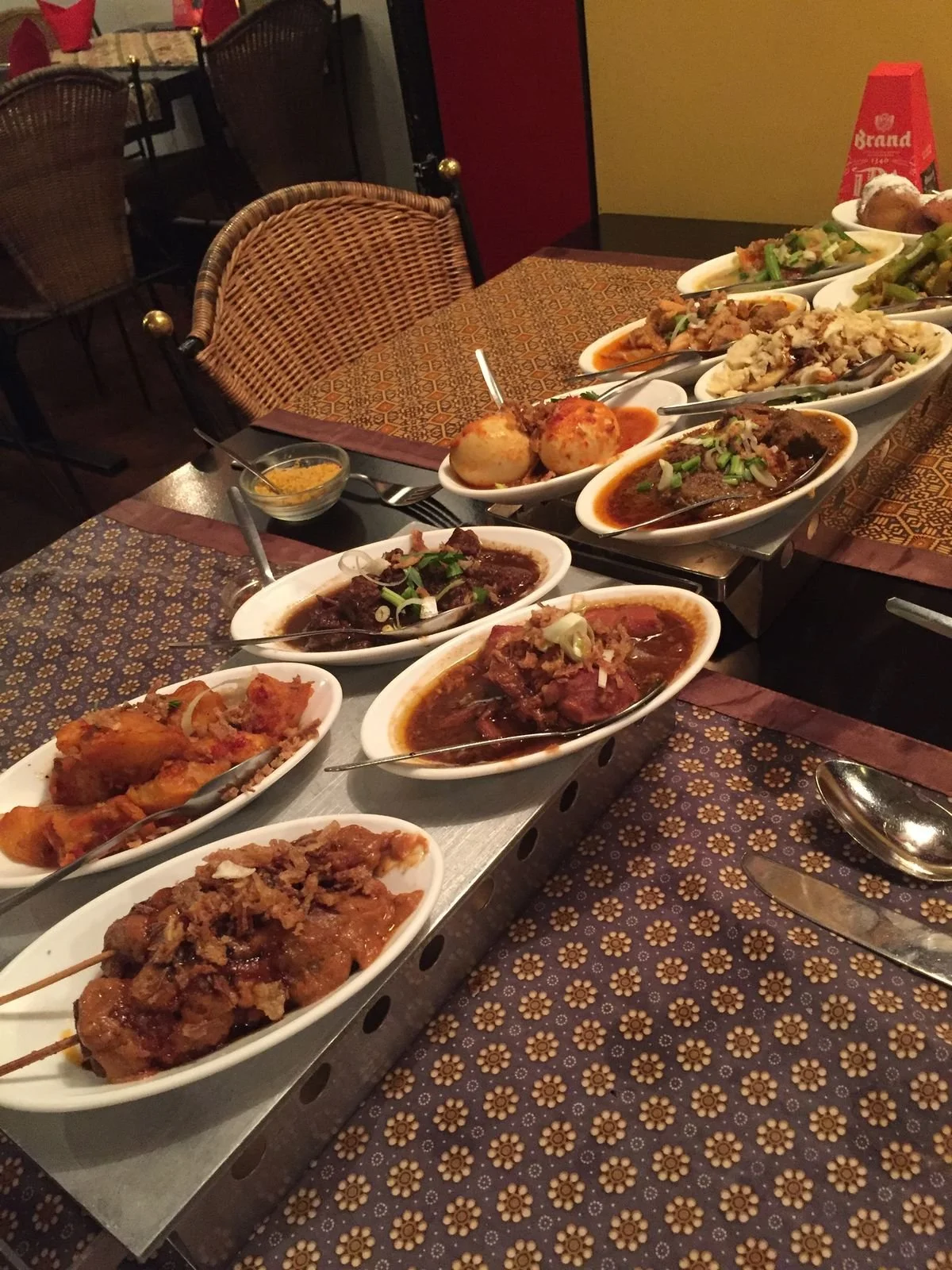
Amsterdam’s food culture carries strong Indonesian influences, especially through dishes like rijsttafel, reflecting historical and cultural connections.
Market culture as a food ritual
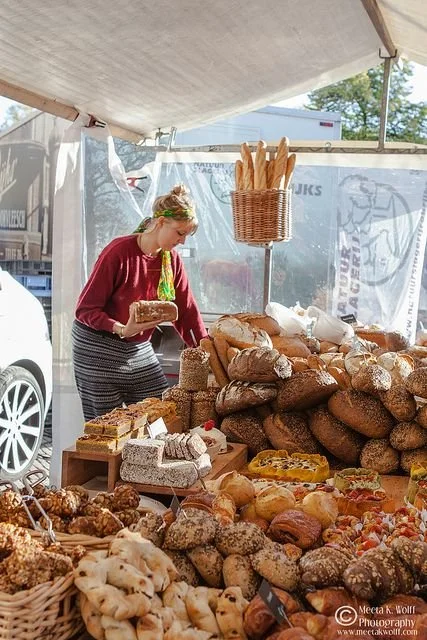
Markets like Albert Cuyp are essential to the city’s food identity, bringing together fresh produce, street snacks, cheese stalls, and global flavours in one place.
Amsterdamis not only known for its culinary identity, but also for its deep connection between culture, everyday life, and artistic expression.
We are currently curating a group of artists to showcase in the heart of Amsterdam during its vibrant cultural season. Connect with international curators, share your work, and become part of one of Europe’s most quietly powerful creative hubs.
