Cláudia Sofia Lopes
Born in Portugal, she has a Bachelor’s and a Master’s from FBAUL, Fine Arts University in Lisbon. She illustrated “A Última Semente” Manga, published by Midori Editora, being also a Concept Artist and Storyboarder for All.Comics, contributing to “Most Wanted”, an ongoing Webcomic on the Webtoon platform. Cláudia teaches Drawing, Painting and Concept Art classes online internationally while collaborating with other artists/authors on new projects, in addition to personal ones and the help from sugary coffees. Currently living in Porto, invested to get involved in different and new artistic projects, exhibiting in galleries and events. She joined the London group WIP Comics and participated on their 2025 Anthology.
‘‘The touch of the canvas, the smell of the paint, and the light and shadow are real.’’
As both a storyboard artist and concept artist, how do you balance narrative clarity with visual experimentation?
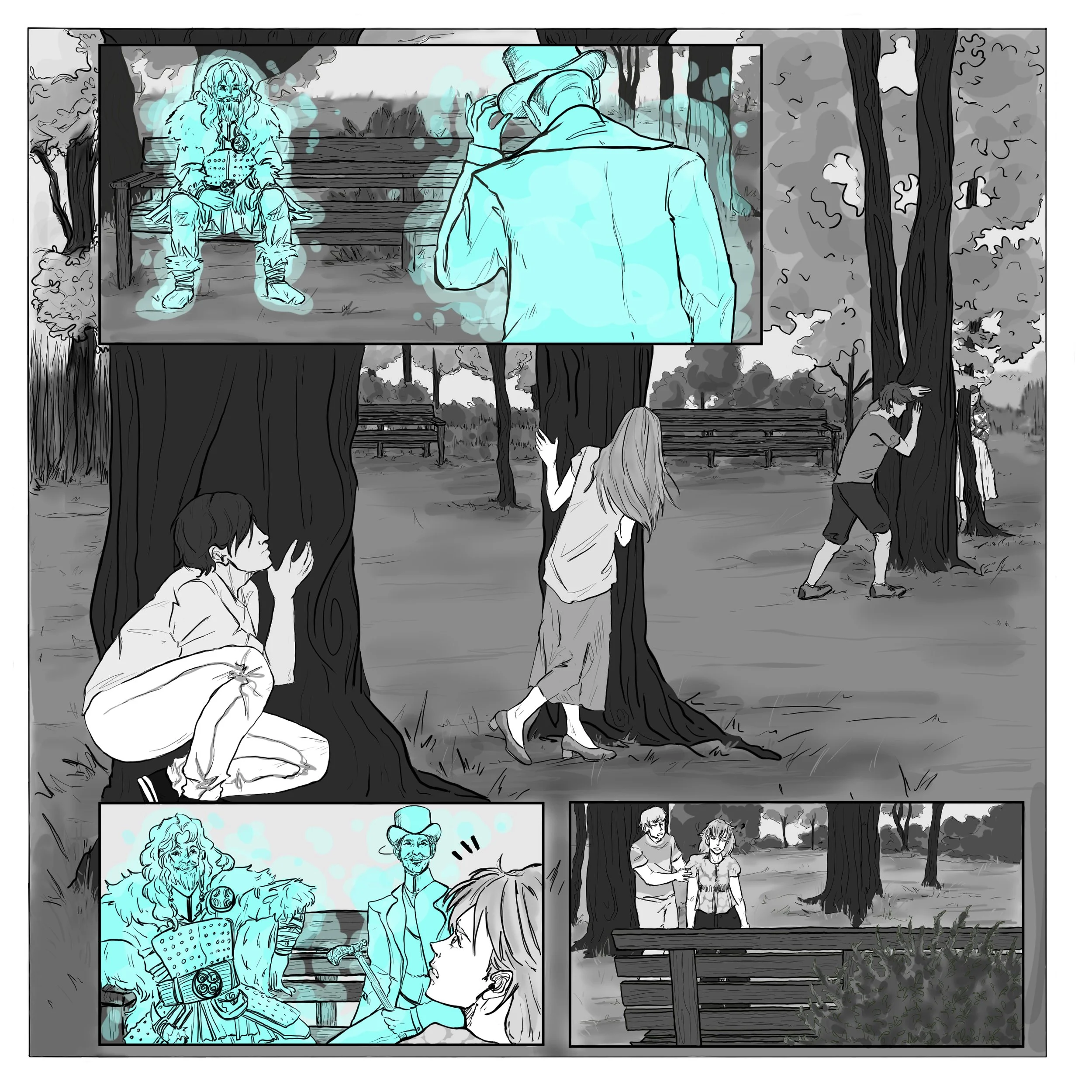
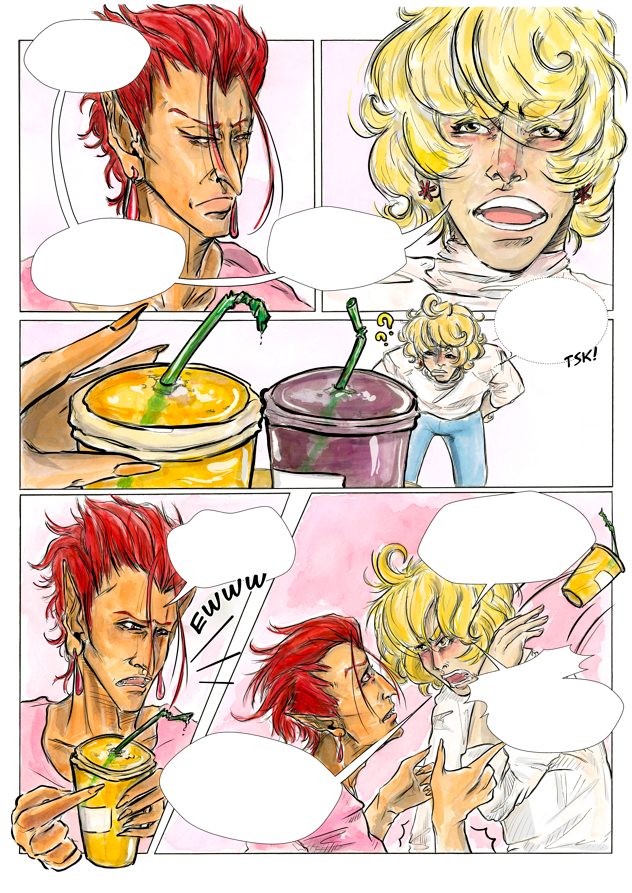
My perspective on balancing narrative clarity and visuals may change from project to project, depending on the storyline, whether a character is present, or if the focus is just on the background. I like to play a lot with color effects depending on the scene, using bold colors for dramatic events, monotones for calm scenes, or even a monochromatic style. I may also distort some characters or play with their features—exaggerating them or even changing the thickness of the line or the art style. For example, I like to simplify the traits of a character, draw silly, exaggerated expressions, and make them smaller whenever there is a fun situation happening.
Your practice moves between fine arts, comics, and teaching — do these disciplines influence one another in your creative process?
Absolutely, and my art is influenced by all of them. If I am in a phase where I tend to work more on painting and semi-realism, I definitely notice a change in my line art whenever I later switch back over to drawing comics, and vice versa. When it comes to drawing classes, I try to be as neutral as possible; I give space to students to draw their own way and create and develop their own art style without being influenced by mine.
How does living in Porto currently influence your artistic inspiration or daily creative rhythm?
Very simply, in a good way. I’ve been inspired since I got back to Portugal and since I've gotten to know and visit all sorts of places in the new city where I now live. Inspiration has been coming easily. I like to work a lot in nearby cafés or tascas. I have a silly habit of usually bringing everything with me in my bag—all my pens and pencils, books, laptop, extra sheets of paper, and headphones—as if I am going to run away from home. In particular, I always bring my comic pages or laptop with me to draw, sketch, and eat a pastry in different cafes. Beyond drawing and writing, I've also been very invested in trying all sorts of new hobbies, such as reading, crocheting, and building book nooks.
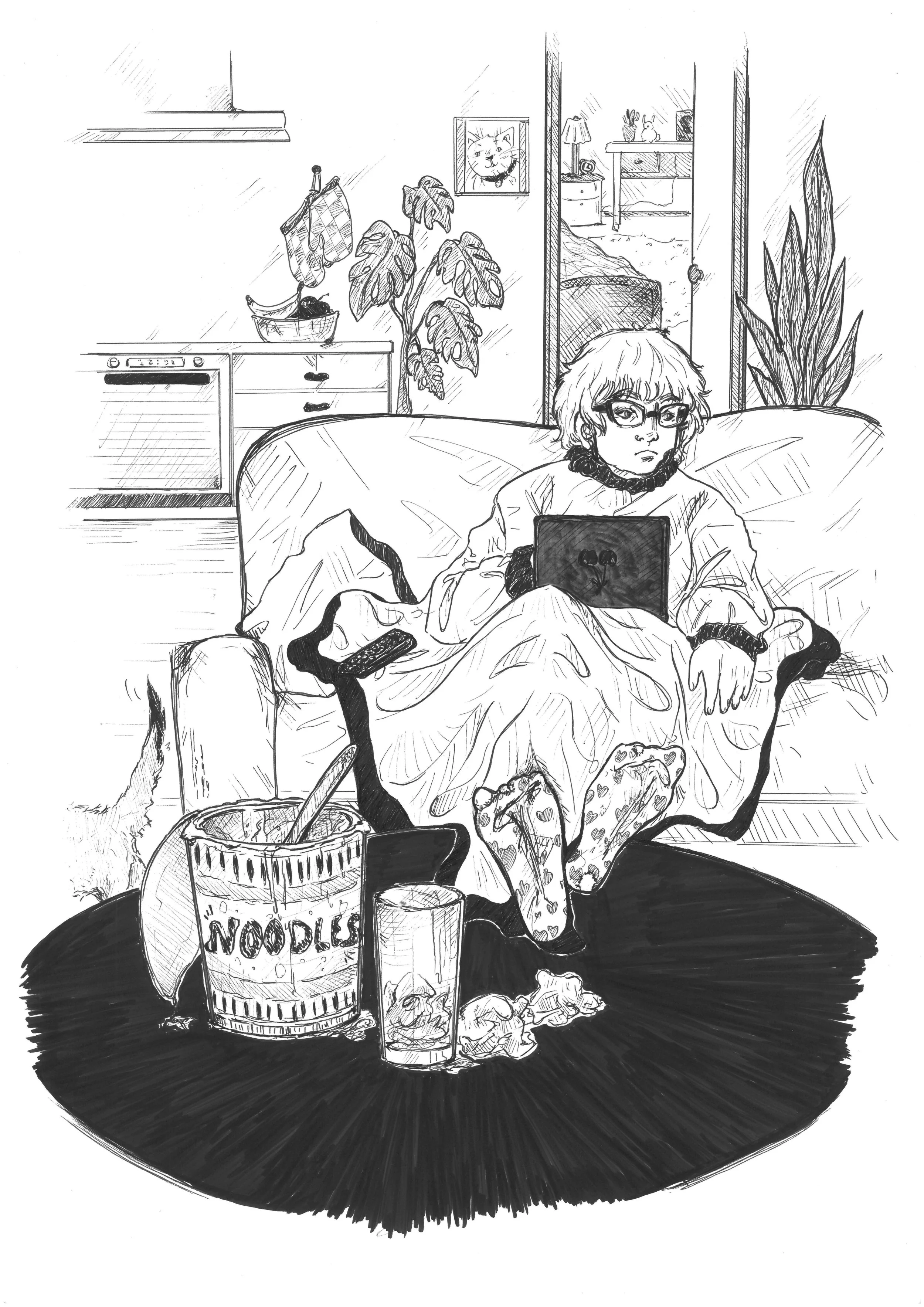
What inspired you to join the London-based group WIP Comics, and what was yourexperience contributing to their 2025 Anthology?
I had just moved to London in May 2024, and I promised myself I would try to find a community to join that aligned with my interests and goals. I found WIP Comics after a few months of researching online on Meetup, and I went to a few online meetings. I really liked the environment and how dedicated and close the community felt. Thankfully, I was lucky enough to be able to take part in their annual Anthology over the next year, and I found it very easy and pleasant to work with them. Their topic for the 2025 Anthology was “Infinity,” and I had lots of fun thinking up and sketching ideas and panels. After a few retouches, my idea was well received and selected.
As someone involved in both gallery exhibitions and web-based comic platforms,how do you see the relationship between traditional and digital art spaces evolving?
I believe that lately, everything has become easier and more practical online, and this includes digital art. In contrast to traditional art, you can paint and copy all the samples you want, you can have your work printed in different sizes or with different filters, and you can edit it anytime and have tons of fun with it, so there are lots of pros. Nonetheless, traditional art is far from having its days numbered. I sure hope and believe that it will always be treated and seen as something classical—an ageless thing that you can’t substitute, because if you do, it will never feel the same. The touch of the canvas, the smell of the paint, and the light and shadow are real, and there’s a whole different harmony and care to it.
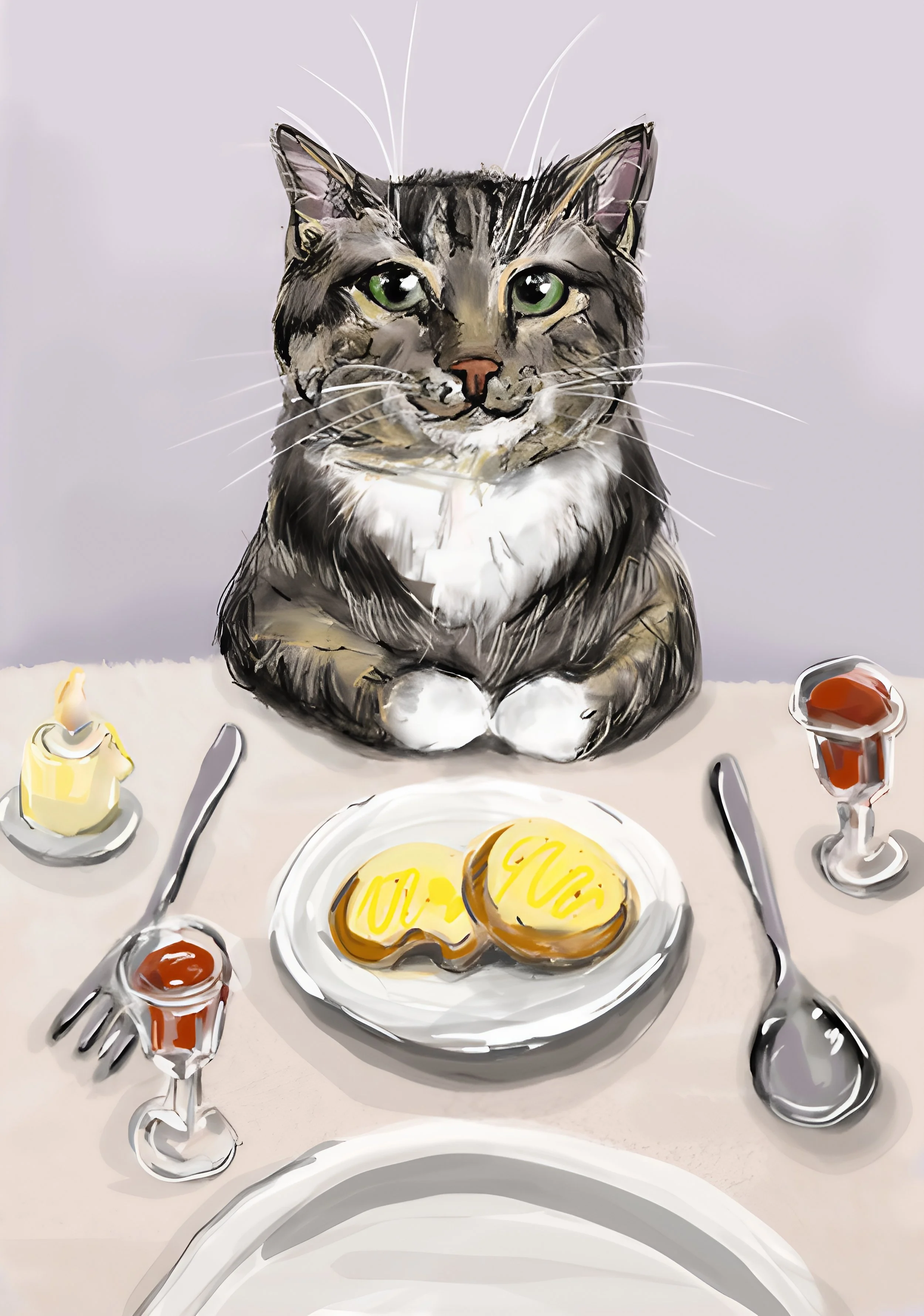
Your work spans illustration, painting, concept art, and sequential storytelling. Do you approach each medium differently, or do they all stem from the same artistic vision?
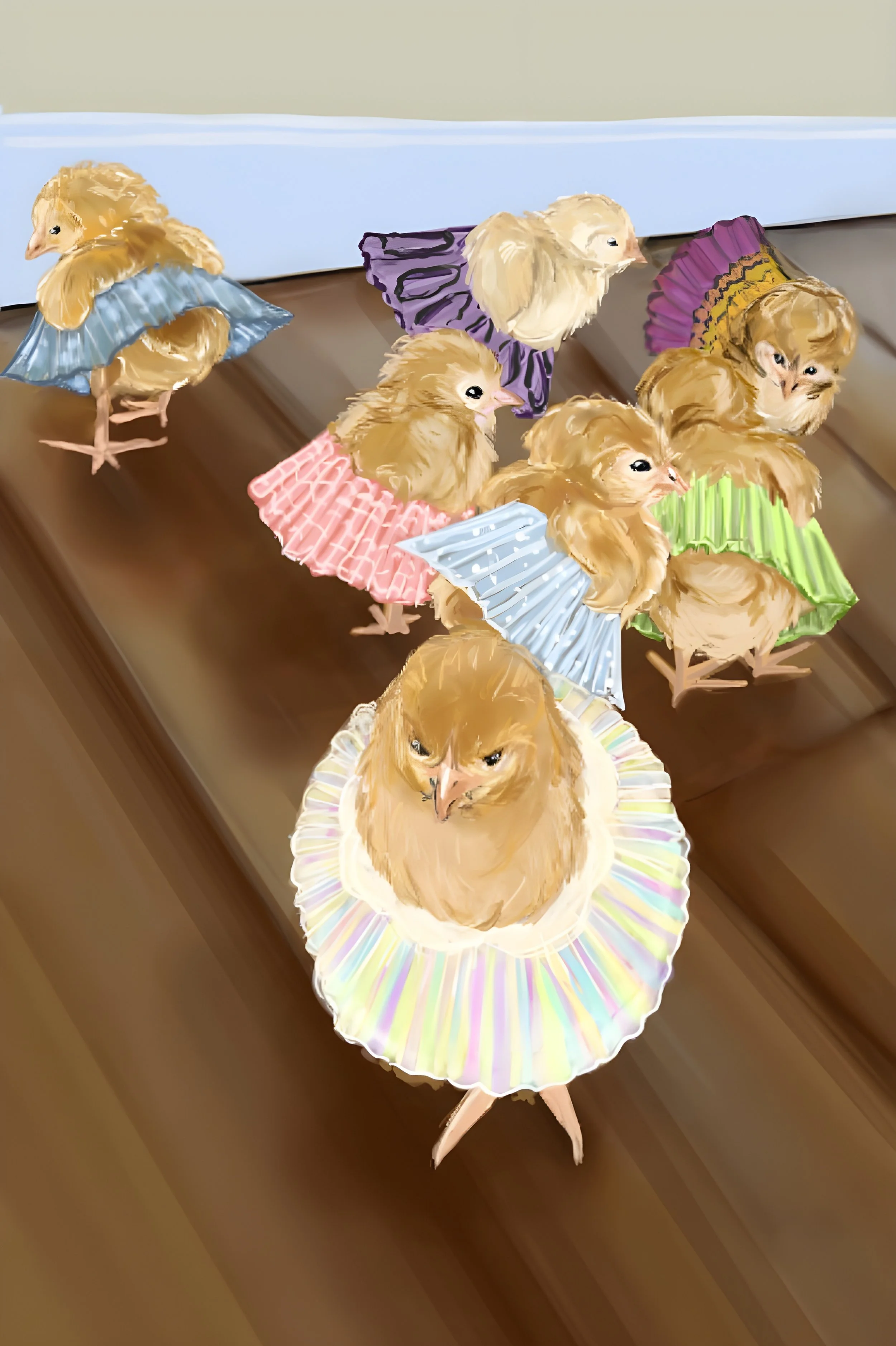
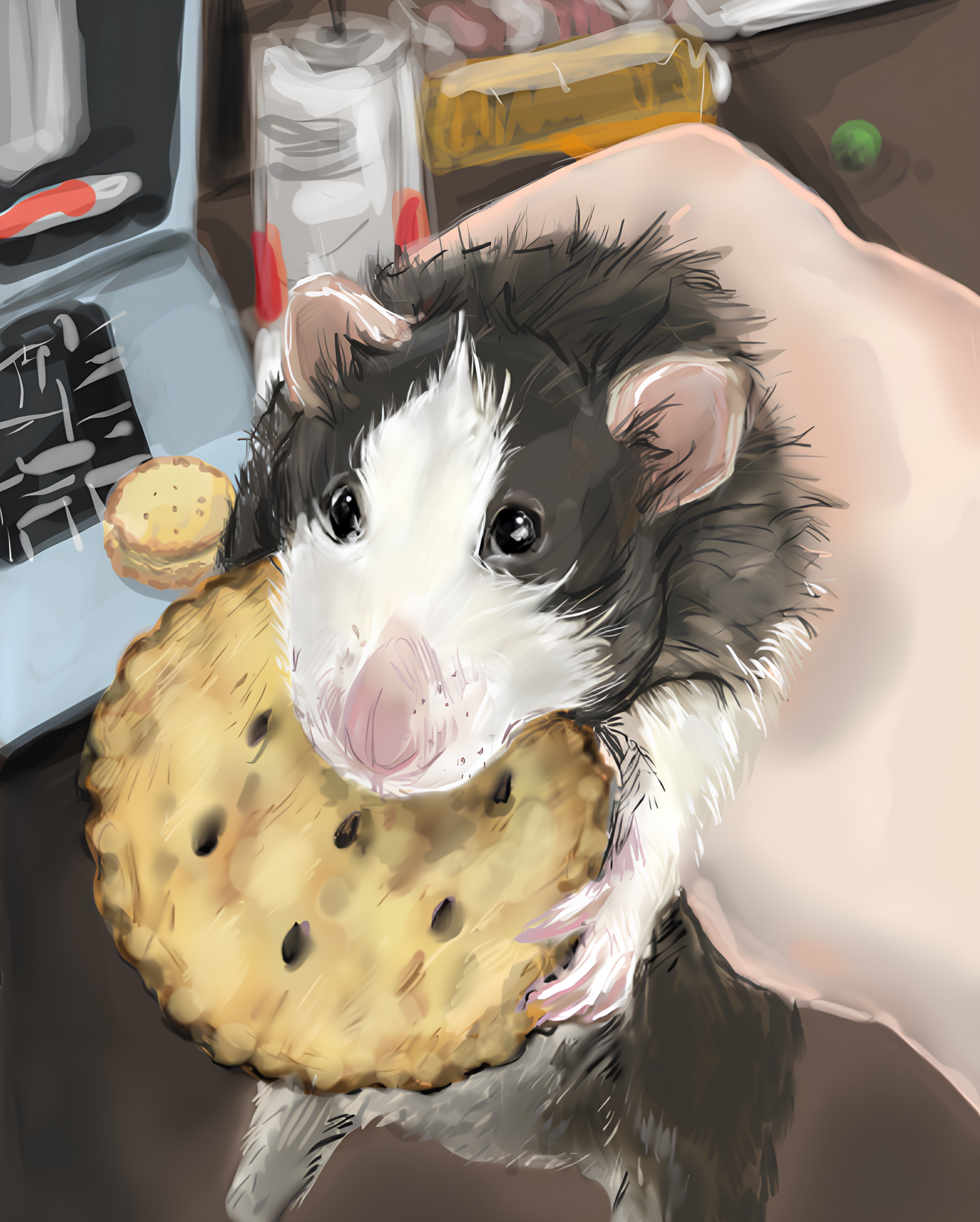
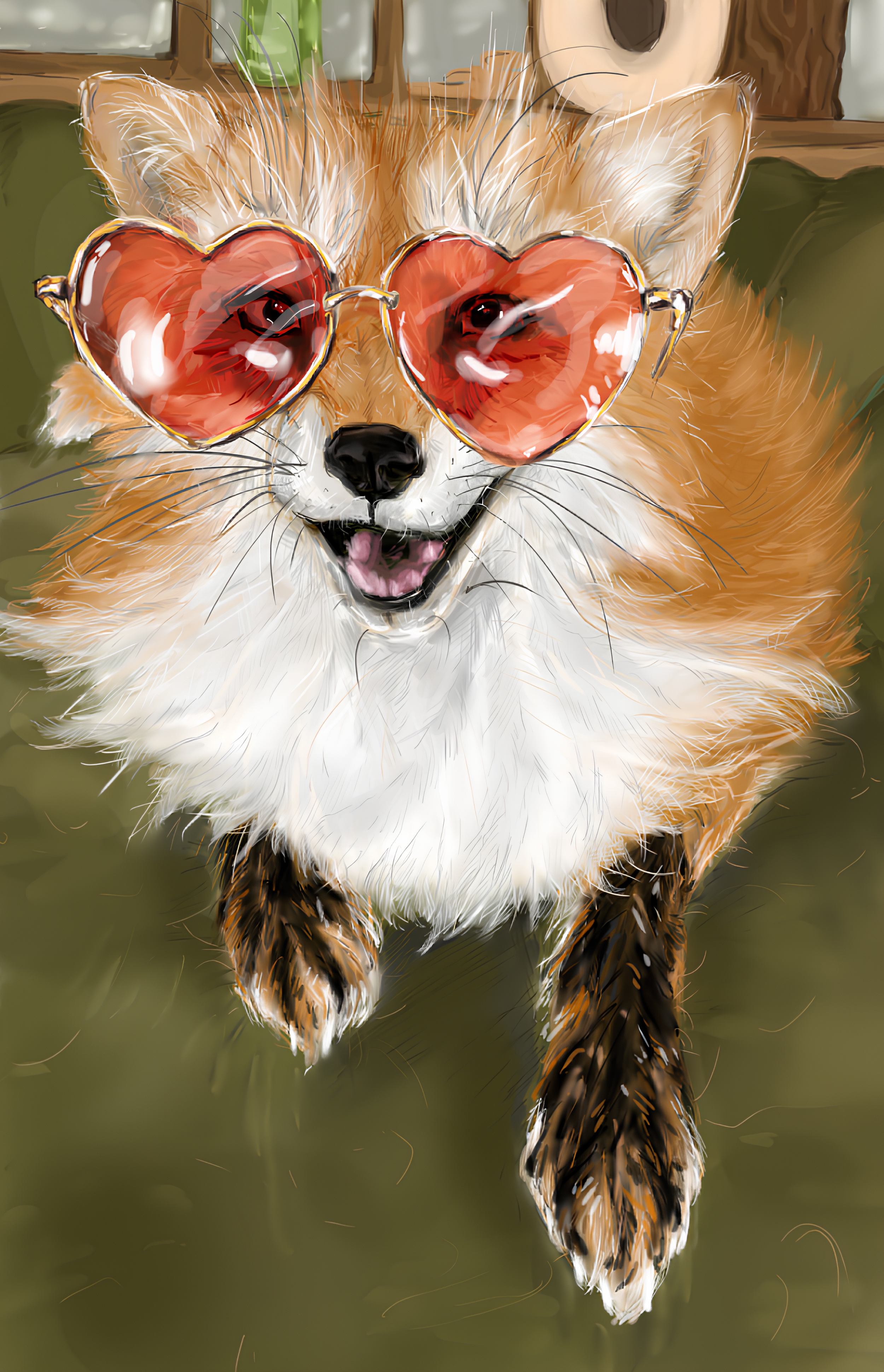
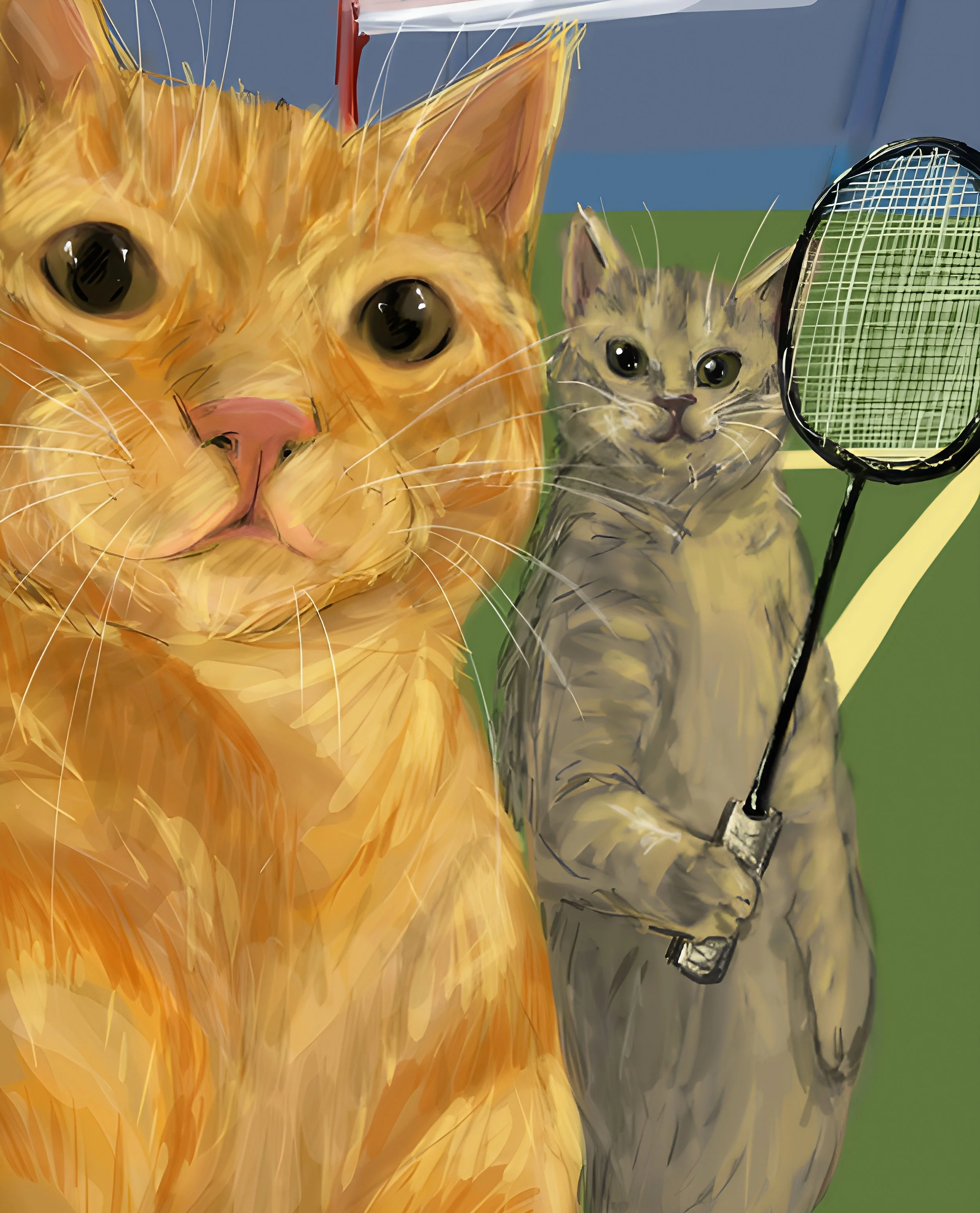
I approach them differently; I feel like I can be a different person with a different perspective and behavior across different mediums. The Cláudia that paints is very optimistic,fun, charismatic, easy-going, and colorful, whereas the Cláudia that does concept art and writes or plans stories for either her comics or illustrations is a more dramatic, deep-thinking, and sometimes even sadistic person. I would love for people to dive deep into some of my stories, feel the atmosphere, meet the characters more deeply, know their backgrounds, experience their emotions, and live through the suspense or drama and the weight that they carry. As for the paintings, to be honest, I just want people to look at them and smile. I love to trigger a spontaneous smile or laugh from a viewer and make them feel light for a brief moment. That is the entire reason I started painting more, especially lately with the "fun and colorful animal concepts."
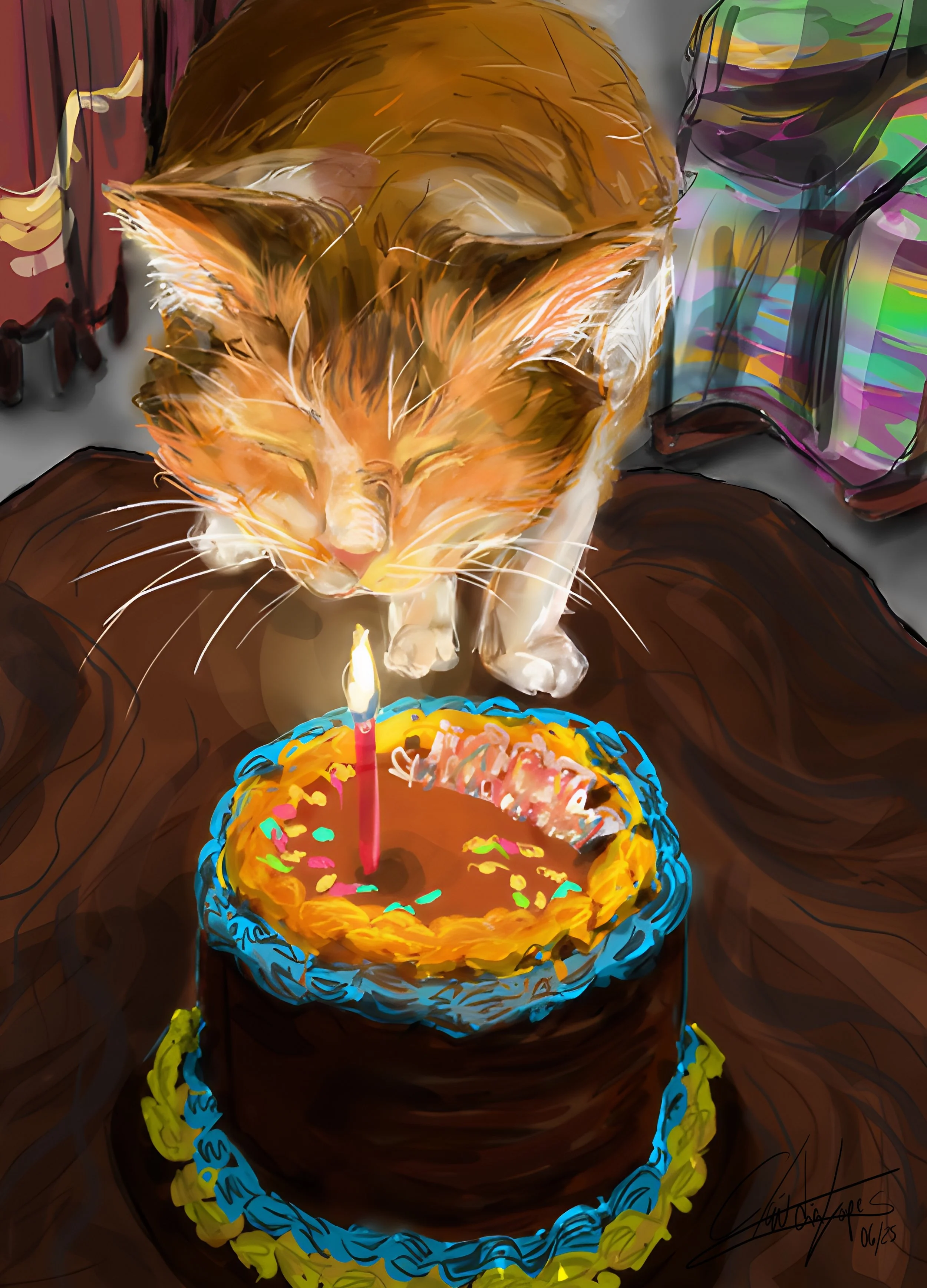
Having worked across both independent publishing and collaborative comic projects, what do you value most in creative collaborations?
Definitely open communication and honesty, always. I have had good and bad experiences working with other artists and authors, and many of those less positive moments could have been avoided if there had been more room for mature, open communication within the team. It really isn’t worth it to hide your discontent or pretend you are okay with or like something when you do not; it will show sooner or later, and these issues can snowball into something bigger. The same goes for positive developments: the more you talk and open up to your colleagues, the more you deepen your bond and create a healthy workspace.
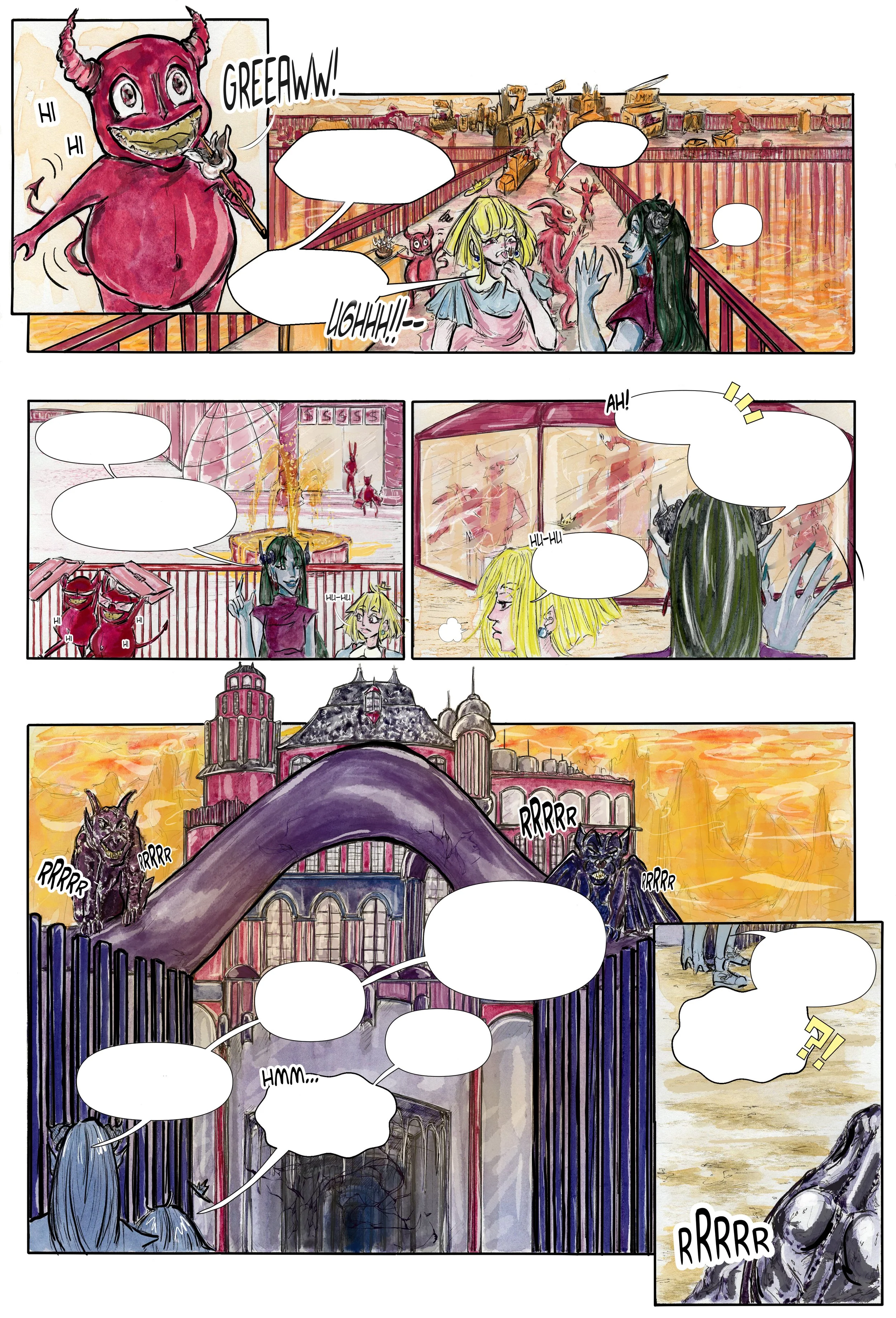
What challenges have you encountered as a contemporary artist navigating both the fine art world and the comic industry?
Several different factors, actually: time, approval, judgment, and bureaucracy. You could get some judgment moving from one type of art to another, unfortunately. I feel like painters and artists living in the "fine arts" world can be very opinionated about line art and comic styles, dismissing other views and perspectives outside the category of fine art. Another factor is time. On both sides, projects require tons of time and care, so when you take the time to focus on one, you will probably have to leave the other project "on the shelf" for a while. Last but not least is the time and patience you have to gather to pursue galleries, exhibitions, editors, fairs, and other kinds of work and connections, along with the bureaucracy and rules that come with them—whether related to guidelines, deadlines, criticism, schedules, royalties, payment, a lack of opportunity (or opposite thereof), communication, and so on. But I guess that’s just a reality every artist has to deal with and go through.
When developing characters or visual worlds, what usually comes first for you: emotion, narrative, or aesthetics?
For me, it honestly depends on the overall meaning I want to give to the project. Lately, I’ve been focusing a lot on combining the narrative with the aesthetics of the backgrounds and the visual world. I think a lot about how my line art, the ink, and the color palette (if there is one) will affect the environment and the mood I am presenting, and also if I can somehow make the narrative flow smoothly alongside them. In terms of creating a character, I try my best to work on their aesthetics as well. I believe that if I do a good job of defining a color palette, shape, hairstyle, clothes, and other details that fit or define them, I will have a direct path to their personality, allowing me to develop or show their emotions more easily.
As your artistic career continues to evolve internationally, what kind of impact or connection do you hope your work creates with audiences?
I would love to continue building more projects, creating more stories, editing and printing them, painting more animals, and representing personalities and fun situations through them to reach people across different countries. I think my ultimate goal is to give people a good laugh, a good reading ride, inspire them, and maybe make others believe that they can do it too. Whatever they have in mind—any small project or random idea—it can work and it can change their future. So, believe in yourself and don't give up.