
Illustration Trends for 2026: Messy, Human, and Meaningful
As AI-generated visuals continue to flood the internet, illustration is pushing back. The dominant mood heading into 2026 is clear: artists and brands are leaning into work that feels human. Imperfect. Warm. Made by hand.
Across studios, agencies, and brands, there’s a growing rejection of over-polished, machine-perfect imagery. In its place, illustrators are embracing texture, storytelling, humour, and emotional honesty. Below are the key illustration trends shaping 2026, as seen across branding, editorial, packaging, and digital design.
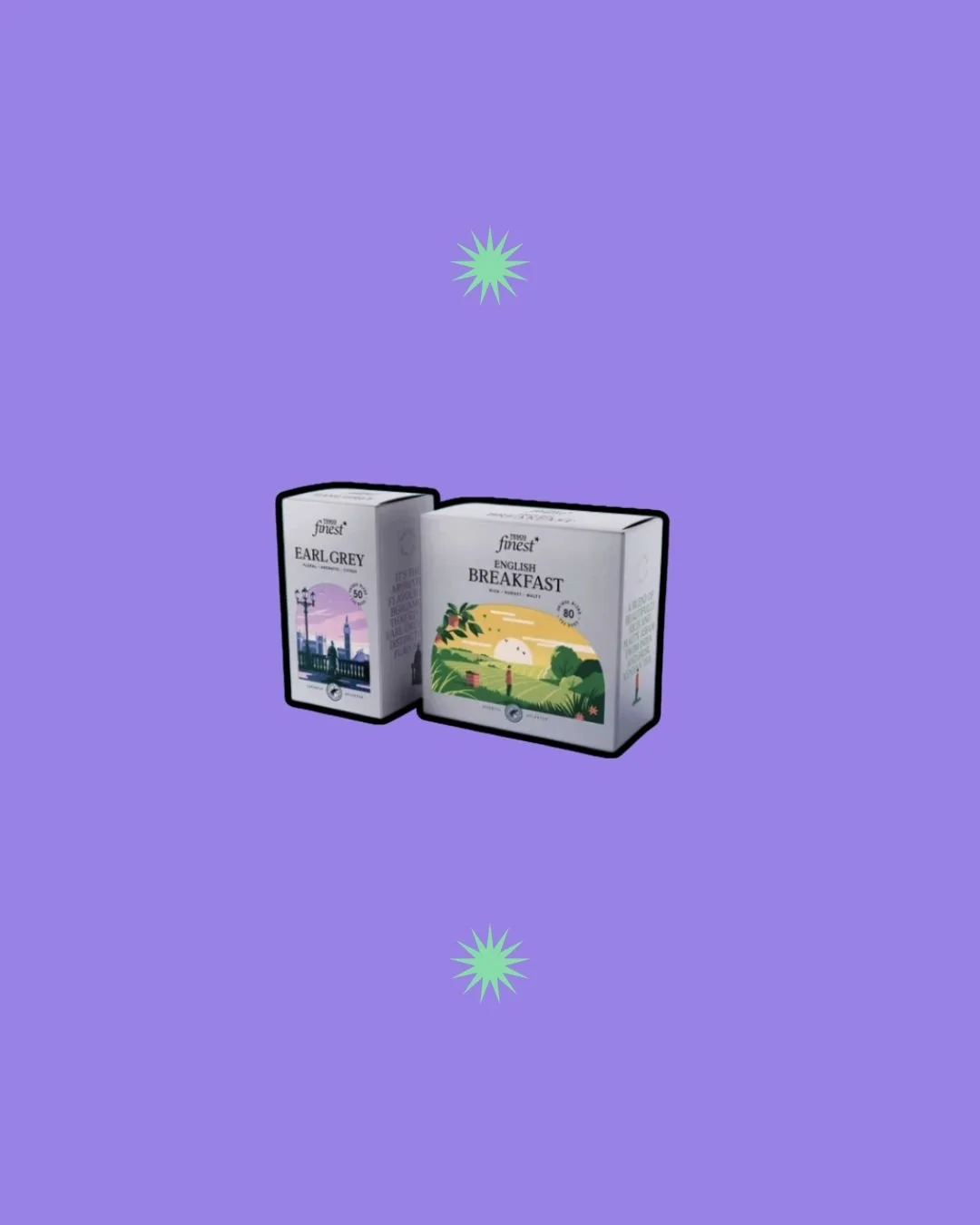
Tesco Finest tea illustrations by Tom Haugomat
Childlike, Playful Expression
One of the strongest shifts is toward naive, playful illustration styles. Think loose lines, scribbles, simple forms, and drawings that feel spontaneous rather than engineered.
Designers note that audiences are tired of flawless visuals. In response, brands are adopting illustrations that look imperfect on purpose—minimal colour palettes, rough textures, and expressive marks that feel drawn on paper, not generated on screen.
These visuals communicate care and personality. The “mess” is intentional, and that’s exactly why it works.

Left: branding for Sad On Sundays by Cristian González from Inmigrante Studio. Right: Studio Frith's identity for Jolene Bakery (Image credit: Studio Frith/Cristian González)
Hand-Drawn Lines and Doodle Aesthetics
Hand-drawn illustration is becoming a powerful trust signal, especially for food, wellness, and eco-focused brands. Loose line work, mascot-style characters, and pencil-like textures help brands feel approachable and grounded.
This style stands out in crowded feeds, scales well across packaging and digital platforms, and avoids the heavy visual weight of complex graphics. Many brands are choosing illustration that feels quick, human, and slightly imperfect—because that’s what audiences connect with.
In 2026, “wonky” is no longer a weakness. It’s the point.

Illustration That Doesn’t Take Itself Too Seriously
Another clear trend is humour. Illustration in 2026 is giving itself permission to be light, playful, and even silly.
Designers are combining rough, analogue drawings with clean digital typography to create contrast—elevated but friendly. Motion and frame-by-frame animation are often used to exaggerate imperfections and add character.
This mix of humour, texture, and movement creates work that feels alive. It signals human presence and emotional intent in a way polished design often can’t.
Naive Authenticity and Emotional Focus
Rather than showing off technical skill, many illustrators are prioritising feeling. The work may look simple, but it carries emotional weight.
This trend is especially visible in editorial, publishing, and brand storytelling. Hand-drawn charm, tactile textures, and expressive mark-making create worlds that feel lived-in rather than manufactured.
Audiences are drawn to illustration that feels honest and distinct—visuals that don’t aim for perfection, but for connection.

Quiet Graphic Minimalism
Not all illustration trends are loud. Alongside expressive chaos, there’s a rise in calm, restrained illustration styles.
This approach uses clean line work, flat shapes, limited colour palettes, and generous white space. The result is clarity, legibility, and a premium feel—particularly effective for digital products, wayfinding, and lifestyle brands.
In an age of short attention spans and small screens, simplicity becomes a strength. Sometimes the boldest move is leaving space to breathe.
Narrative-Driven Packaging
Packaging design is moving away from flat icons and stripped-back minimalism. Instead, illustrated packaging is becoming more story-led.
Brands are using scenes, characters, and visual worlds to communicate place, process, and personality at a glance. These illustrated narratives help products stand out on shelves and translate seamlessly to social media.
Illustration allows brands to build emotional connection faster than photography or abstract design—turning products into characters, not just commodities.

Illustrations by Jens Nilsson for PangPang Pusher sour beers (Image credit: Jens Nilsson/Pang Pang)
The Bigger Picture
Across all these trends, one thing is consistent: illustration in 2026 is about reclaiming humanity.
Whether it’s messy drawings, playful humour, quiet minimalism, or rich storytelling, illustrators are responding to AI saturation by doing what machines can’t—expressing emotion, imperfection, and lived experience.
In a world of endless content, it’s the human touch that cuts through.
Where does your art stand for 2026? Will you be drawing inspiration from child like illustration?
You can tell all about it to our team by clicking below.
