
Yashi Khatanhar
Yashi Khatanhar is a multidisciplinary artist based between Mumbai and Dubai, working across abstract painting, fashion photography, and visual storytelling. Her practice explores emotion, memory, identity, and the unseen complexities of the human experience.
Deeply influenced by personal journeys of transformation and self-discovery, Yashi creates work that exists between intuition and intention, using colour, texture, movement, and composition as a language for emotions that often transcend words. Drawing from cinema, psychology, culture, and human connection, her practice explores the interplay between chaos and harmony, vulnerability and resilience.
Her fashion photography and interest in filmmaking further inform her artistic language, bringing a cinematic sensibility to her work through atmosphere, storytelling, light, and emotion. Having exhibited internationally across the UAE, India, Greece, Germany, Russia, and the United Kingdom, including Athens, Milan, and London, Yashi's practice continues to move across disciplines and cultural contexts.
Alongside her artistic practice, she serves as an Ambassador of Human Visions and Social Responsibility, using creativity as a catalyst for cultural dialogue, emotional well-being, and meaningful social impact.
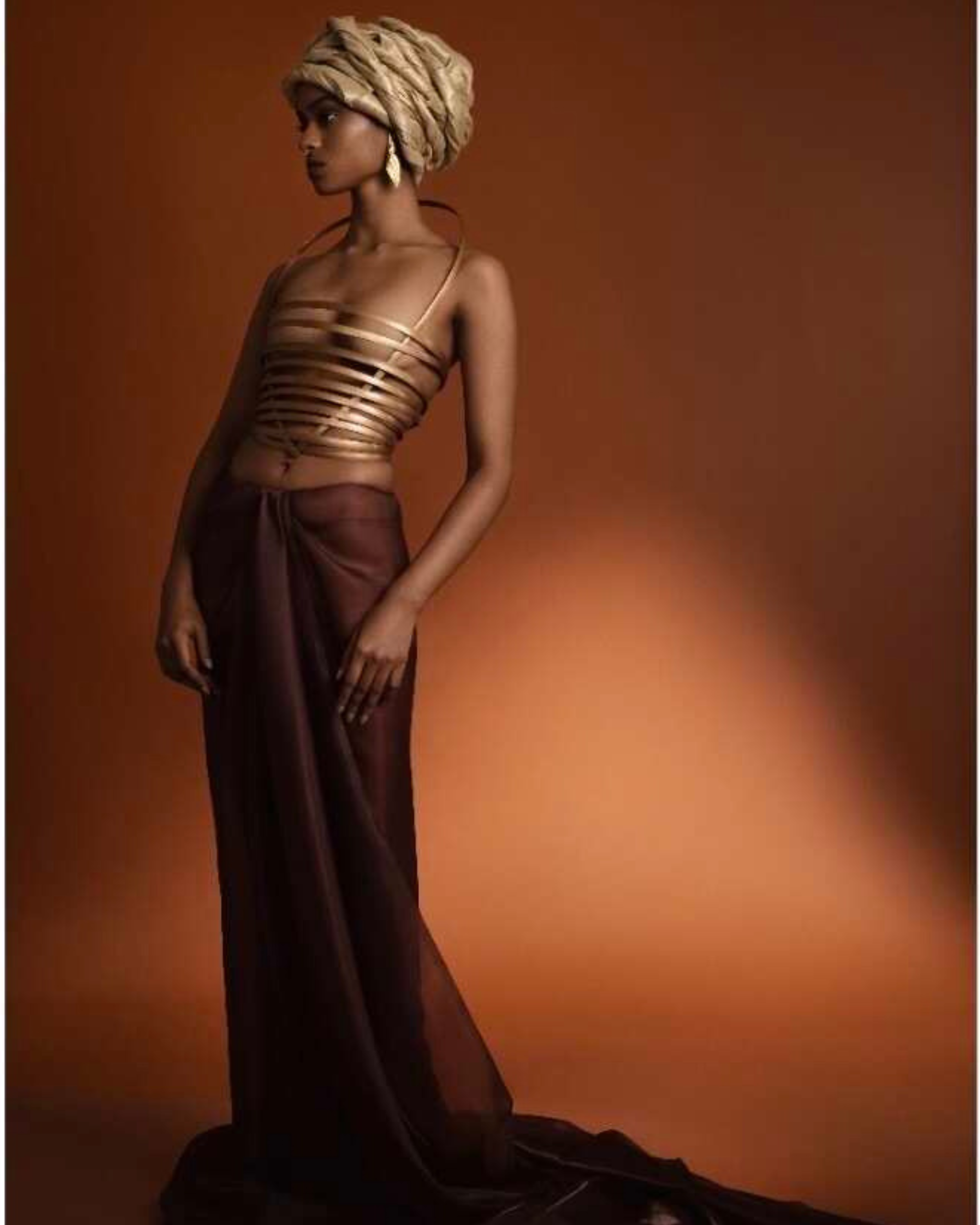
‘‘I want to create work that isn’t simply something a viewer looks at, but something they can enter emotionally.’’
Your practice moves between abstract painting, fashion photography, and visual storytelling. How do these different mediums inform and influence one another?
I don’t really see painting, photography, and visual storytelling as separate practices. They are different languages that allow me to explore the same internal questions. Photography taught me to think about the human form, composition, light, and the narrative contained within a single frame, while painting gave me the freedom to move beyond what is physically visible and translate emotion through colour, texture, and gesture.
This relationship became particularly important in my Trancefusion series, where I began merging photography with painting. I was interested in what happens when a captured moment is no longer treated as fixed, but becomes something that can be disrupted, layered, and emotionally reinterpreted. Each medium gives me something the other cannot, and that exchange keeps my practice evolving.
You describe your work as existing between intuition and intention. How do you balance spontaneous expression with conscious artistic decisions during your process?
My process usually begins without a completely predetermined outcome. I find that if I decide exactly what a work should look like before I start, I end up controlling it too much. I prefer to begin with an instinct — a colour, a movement, a texture, an emotion, or even just a feeling that I want to explore — and then allow the work to develop through the process.
With abstract painting in particular, the first layers are often very intuitive. I work with colour, texture, scraping, layering, and movement without immediately trying to make everything “make sense.” Once the work starts developing its own character, I move into a much more conscious stage. I begin looking at where the eye travels, where the composition feels too heavy or too empty, which areas need to remain raw, and where I need to create restraint.
I think the important part is knowing when to stop controlling and when to intervene. Sometimes the most interesting element in a painting is an accidental mark or an unexpected colour interaction, and I would rather respond to that than erase it simply because it wasn’t part of the original plan. At the same time, spontaneity alone doesn’t necessarily create a resolved work. The final piece comes from editing those instincts and giving them structure.
So I don’t really see intuition and intention as opposing forces. Intuition gives me the material to work with, and intention helps me understand what that material is trying to become.
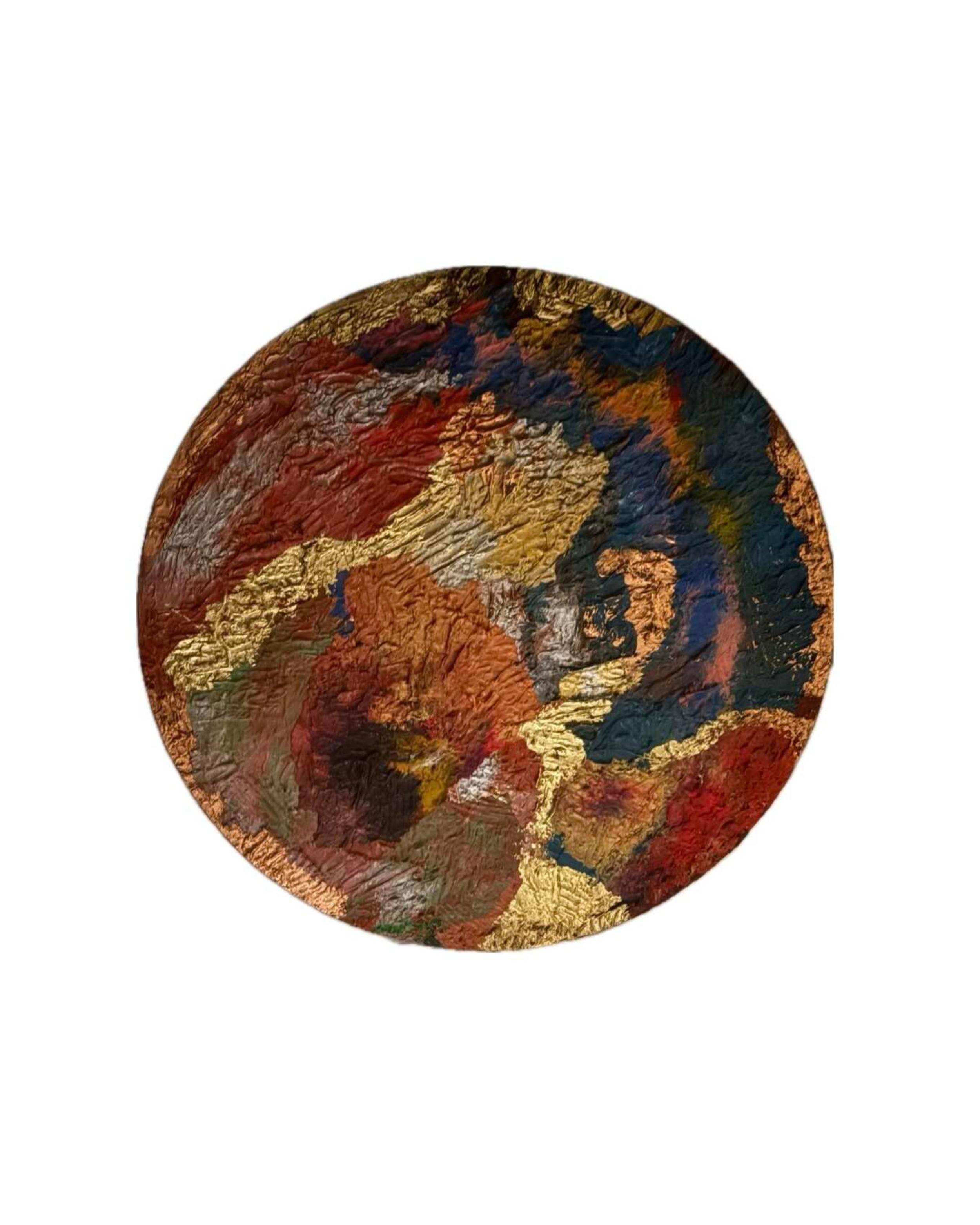
Grain and Glory
Acrylic on Canvas
Emotion, memory, and identity are central to your practice. How do you translate these intangible experiences into visual forms, colours, and textures?
I don't think emotions have a fixed visual language, so I approach them through association rather than literal representation. A particular colour can carry the feeling of a memory, while a rough or heavily built-up surface can suggest emotional weight, tension, resistance, or something that has accumulated over time. The physicality of the material becomes important because emotions themselves can feel physical — they can sit heavily, feel fragmented, remain unresolved, or gradually transform.
Memory is also rarely linear. We don't remember experiences exactly as they happened; we remember fragments, sensations, colours, faces, places, and sometimes only the feeling that something left behind. I try to reflect that fragmentation through layers, interruptions, transparency, repetition, and areas that are deliberately obscured. I am interested in what is visible and what is hidden within the same work.
Identity is another layer because we are constantly negotiating between who we are internally and how we are perceived externally. My interest in fashion photography, for example, has made me particularly conscious of identity as something that can be constructed, performed, and transformed. Painting allows me to approach that same idea from a much more internal and abstract space.
Ultimately, I don't want to illustrate an emotion for the viewer. I want to create a visual experience that allows them to feel something before they necessarily understand it. If the colour, texture, or movement in a work triggers a memory or emotion that belongs entirely to the viewer, then the work has taken on a life beyond my original intention.
You explore the contrast between chaos and harmony, vulnerability and resilience. How do these oppositions shape the visual language of your work?
I’m fascinated by opposites because I don’t think human experiences are ever completely one thing. Vulnerability can exist alongside strength, chaos can contain a strange kind of beauty, and something that appears broken can also be in the process of becoming something new.
Visually, I explore these contradictions through contrasting textures, movement, colour relationships, and moments of stillness. I often allow certain areas of a work to feel almost uncontrolled while creating more intentional points of balance elsewhere. The tension between those two spaces becomes part of the story.
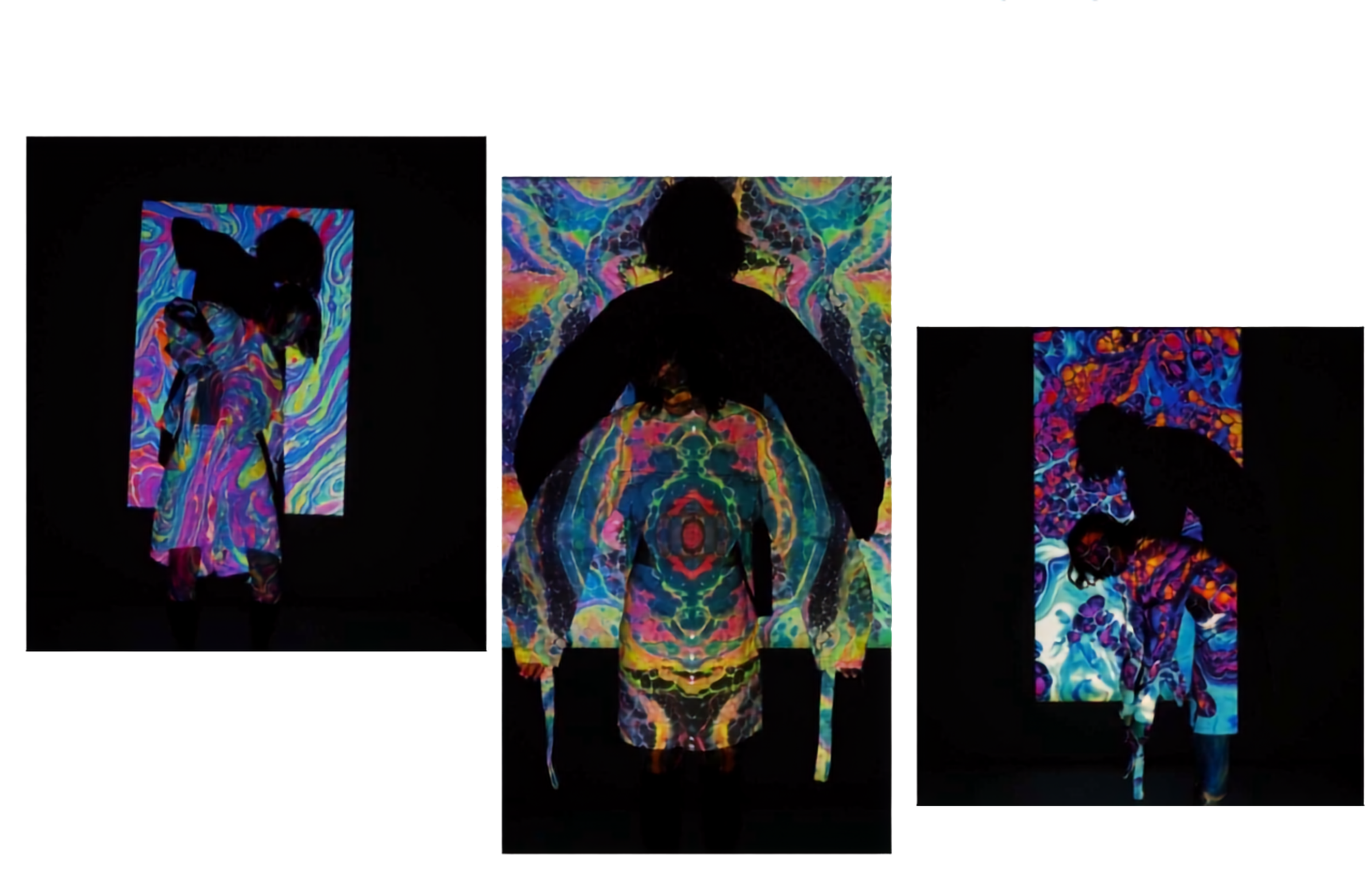
TRANCEFUSION
Fashion Photography, 2023
In this series, Yashi Khatanhar explores the meeting point between photography and painting, using layering and disruption to transform captured moments into emotionally reinterpreted visual narratives.
Your background in fashion photography and filmmaking brings a cinematic quality to your practice. How has this influenced the way you approach composition, light, atmosphere, and storytelling?
Fashion photography taught me to think of an image as a constructed world rather than simply a photograph of a person. Before taking a photograph, I think about the character I am creating, what they represent, the environment they belong to, the relationship between the clothing and the setting, and what I want the viewer to feel when they enter that frame.
My series Regal Renaissance is a good example of this. The work was inspired by the visual language of Renaissance portraiture, but I approached it through contemporary fashion and photography. I wasn't simply trying to recreate historical imagery. I was interested in taking the sense of power, drama, symbolism, and theatricality associated with those portraits and translating it into a contemporary visual narrative. The styling, lighting, pose, composition, and setting therefore became part of the storytelling rather than just aesthetic choices.
Filmmaking has further influenced this way of working because it makes me think beyond the single image. I think about what might have happened before the photograph and what could happen after it. A frame can suggest an entire story without explaining it.
That is also why light is so important to me. I don't see light only as something that makes an image visible; it establishes mood, directs attention, and can completely change how we perceive a character or environment. I often approach my visual work almost as if I am building a scene for a film — every detail needs to contribute to the atmosphere and the story.
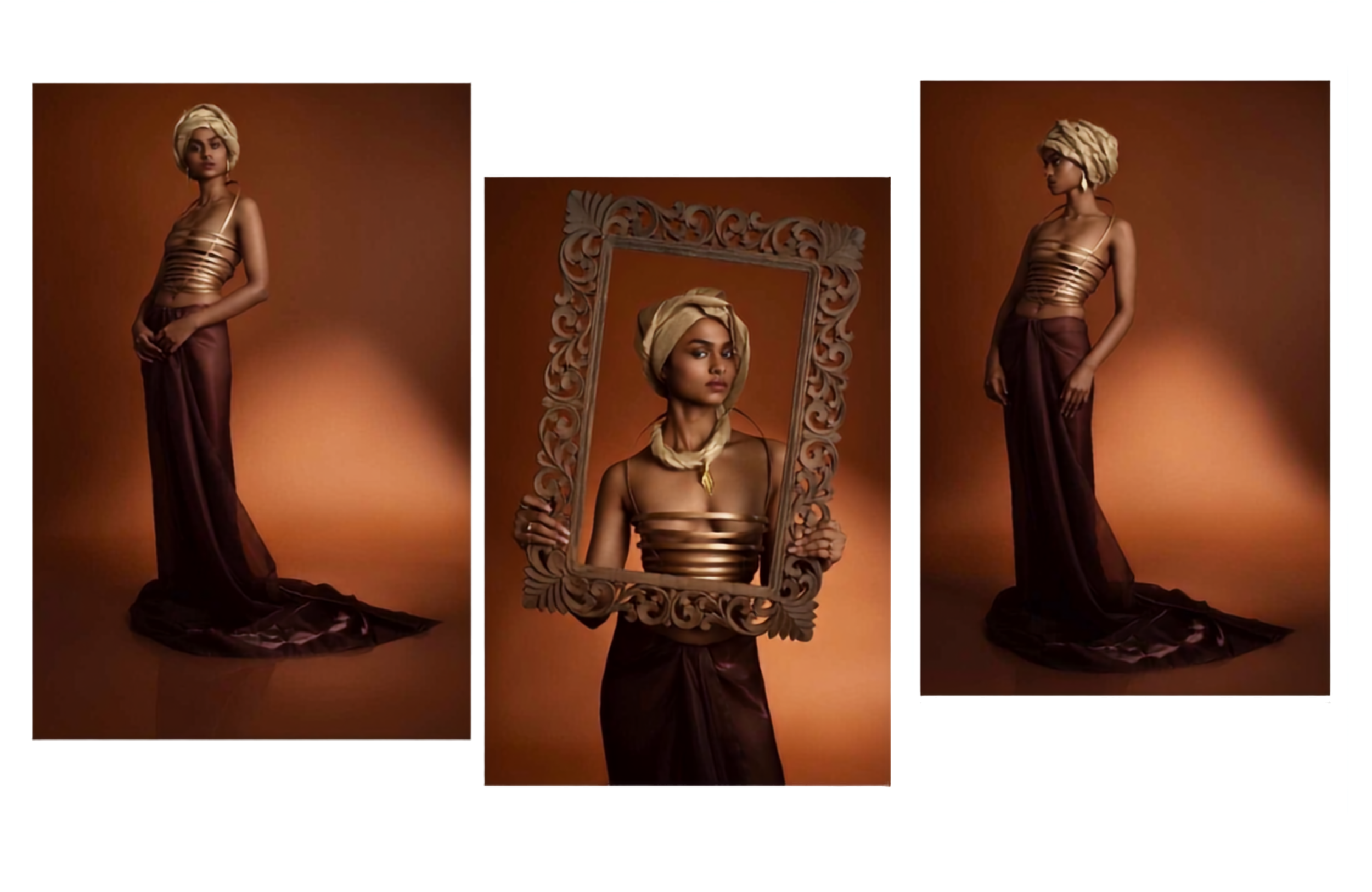
Regal Renaissance
Inspired by Renaissance portraiture, the series reimagines its power, drama, and symbolism through contemporary fashion and photography.
You draw inspiration from psychology, cinema, culture, and human connection. How do these influences appear in your current body of work?
I’m very interested in what exists beneath the surface of people: memory, perception, identity, emotional patterns, and the ways our experiences shape how we see ourselves and others. Psychology gives me a way of thinking about those internal landscapes, while cinema and culture give me visual and narrative languages through which to explore them.
Human connection is probably the thread that ties everything together. Even when a work begins from a personal experience, I’m interested in the point where it stops belonging only to me and becomes something another person can recognise within themselves. That transition from the personal to the collective is very important to my practice.
Having exhibited internationally across different cultural contexts, how has exhibiting in places such as Dubai, Athens, Milan, and London influenced the evolution of your artistic identity?
Exhibiting internationally has made me realise that an artwork can travel far beyond the circumstances in which it was created. Every cultural context brings a different way of looking, and that has encouraged me to become more confident in my own visual language rather than trying to make the work fit a particular expectation.
Dubai, London, Milan, Athens, and the other places where I have shown my work have each given me different conversations and perspectives. It has also made me think about the identity of an Indian artist working within a global contemporary art landscape. I don’t want my identity to be limited by geography, but I also don’t want to erase where I come from. I think my practice is increasingly about allowing those different influences to coexist.
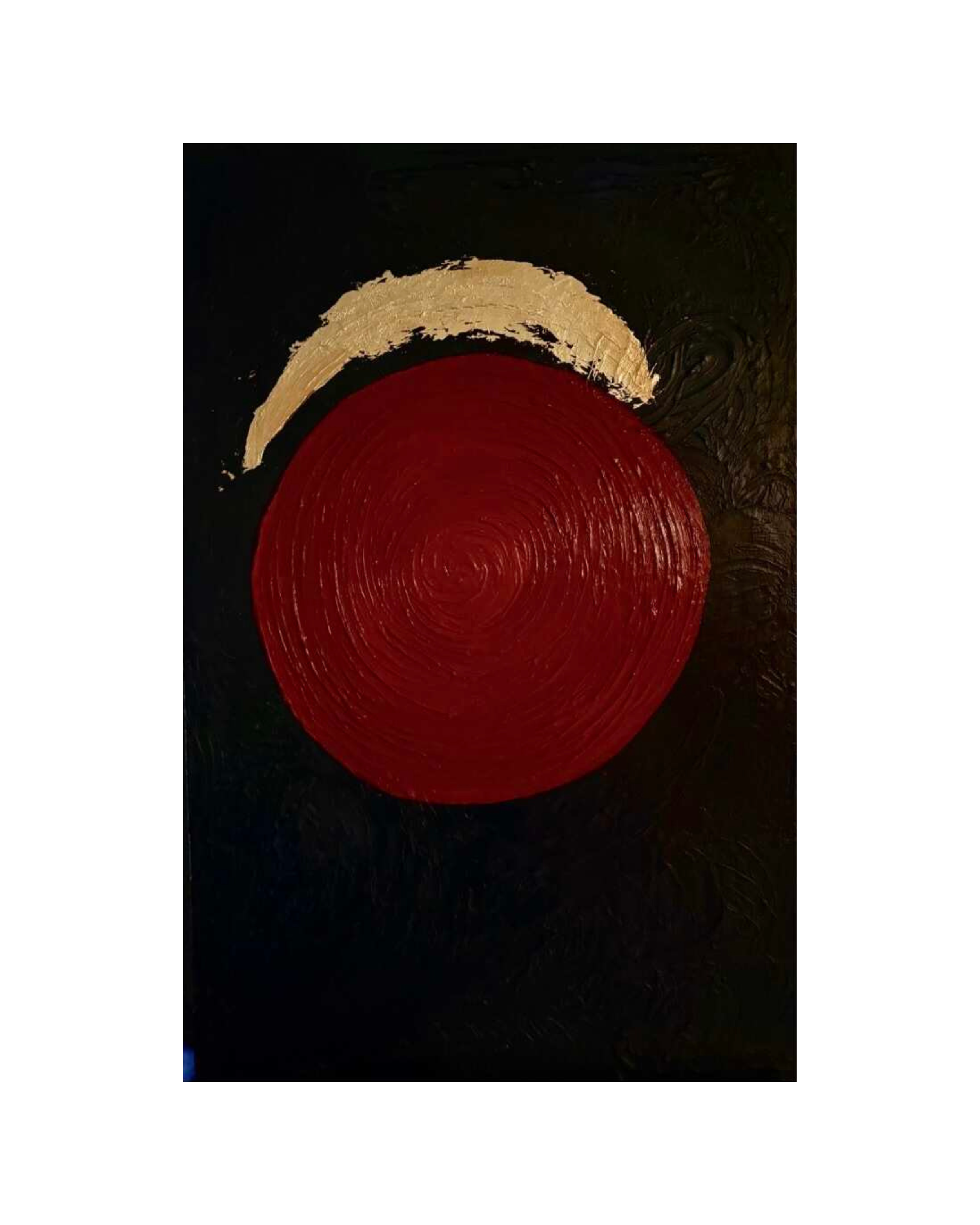
Constance
Acrylic on canvas
Your work aims to create a bridge between inner worlds and collective experiences. How do you hope audiences personally connect with or interpret your work?
I don’t want to prescribe a single interpretation. If someone looks at a work and remembers something, feels something, or suddenly sees a part of themselves in it, then the work has already created a connection.
For me, art becomes most meaningful when the viewer completes part of the conversation. I may begin with a very personal emotion or memory, but once the work enters someone else’s experience, it acquires another meaning. I’m much more interested in creating that emotional opening than in telling people exactly what they are supposed to see.
As an artist working across several disciplines, how do you define your artistic identity today, and where do you see your practice evolving next?
Today, I define myself as a multidisciplinary artist because I don't believe my ideas belong to one medium. My identity as an artist is less about whether I am holding a paintbrush, a camera, or working with moving image, and more about the questions that consistently appear across my work — identity, emotion, memory, perception, human behaviour, and the relationship between what we feel internally and what we present externally.
Working across disciplines has actually helped me understand my own practice better. Photography taught me precision and observation; painting gave me freedom, physicality, and abstraction; fashion taught me about identity and transformation; and filmmaking taught me to think in terms of atmosphere, sequence, and narrative. Rather than keeping these experiences separate, I increasingly want them to inform one another.
I also don't want to feel pressured to decide what my practice has to look like five years from now. I am more interested in allowing it to grow organically. I see myself moving towards more immersive and interdisciplinary forms of storytelling, potentially bringing together painting, photography, moving image, installation, sound, and spatial experiences.
Ultimately, I want to create work that isn't simply something a viewer looks at, but something they can enter emotionally. I think that is where my practice is heading: from creating individual images towards creating larger visual experiences and worlds.
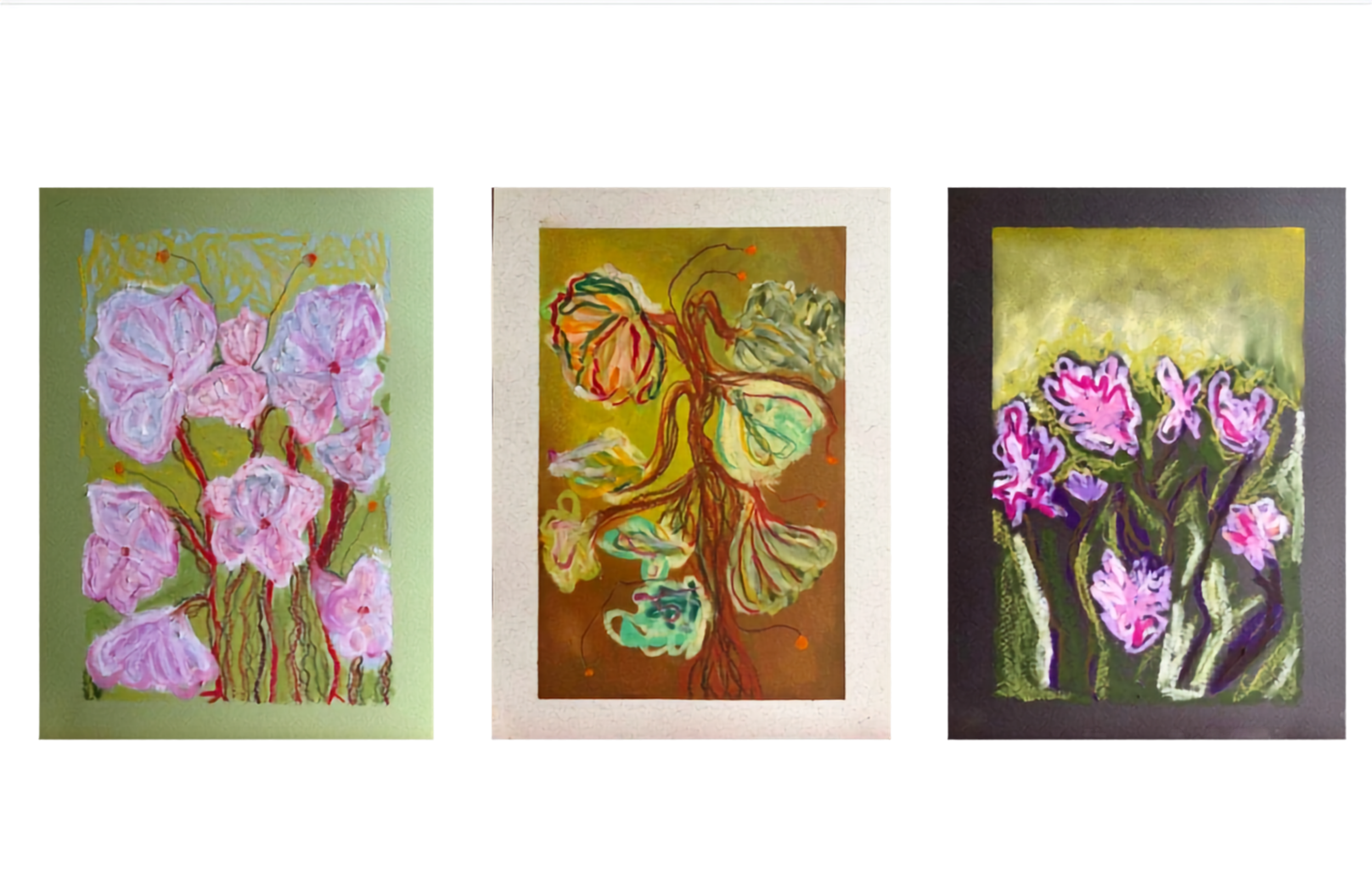
Blooming in Silence
Acrylic on canvas
Beyond your studio practice, you are involved in cultural dialogue and social responsibility. How do you see your role as an artist extending beyond the creation and exhibition of artworks?
I don't see the artist's role as ending with the artwork itself. Being an artist also means being part of the cultural environment around you — observing what is happening, questioning it, creating conversations and, where possible, using your position to connect people and perspectives.
My involvement in cultural dialogue has made me increasingly aware of the fact that art can function as a bridge between different communities and experiences. Exhibitions and collaborations allow artists to enter conversations with people from completely different cultural backgrounds, and I think that exchange is just as valuable as the artwork being displayed.
I also believe that art should have a life outside the gallery. My involvement in art education and social initiatives comes from that belief. Creative expression can give people a way to communicate things that they may not always know how to articulate verbally. It can encourage curiosity, confidence, empathy and a different way of looking at the world.
As my practice grows, I want to be involved not only in creating and exhibiting work but also in creating platforms for other artists, encouraging cultural exchange, supporting creative education and participating in conversations around art and society.
For me, social responsibility doesn't mean that every artwork has to carry a social message. It means understanding that an artist has a platform, and being conscious of how that platform can be used — to create dialogue, bring people together, question assumptions and make space for voices and ideas that deserve to be heard.
Discover more: Instagram
