
Jane Gottlieb
I have been expressing my joy of art with paint, shapes and colors since I was very young. I started as a painter, evolved into a photographer, and eventually began hand-painting on my individual Cibachrome prints over 40 years ago. Before Photoshop I found a way to express a new magical reality with the vivid, saturated and unrealistic colors that I painted into each photographic print.. Since 1990 I have digitized my one-of-a-kind hand-painted prints & my library of 35mm Kodachrome color slides taken over the last 50 years. I paint, combine, and enhance them with Photoshop, creating my own idyllic world! My art has been shown worldwide in many solo and group exhibitions, art expos, published in countless magazines, books, and collected in many private and museum collections.
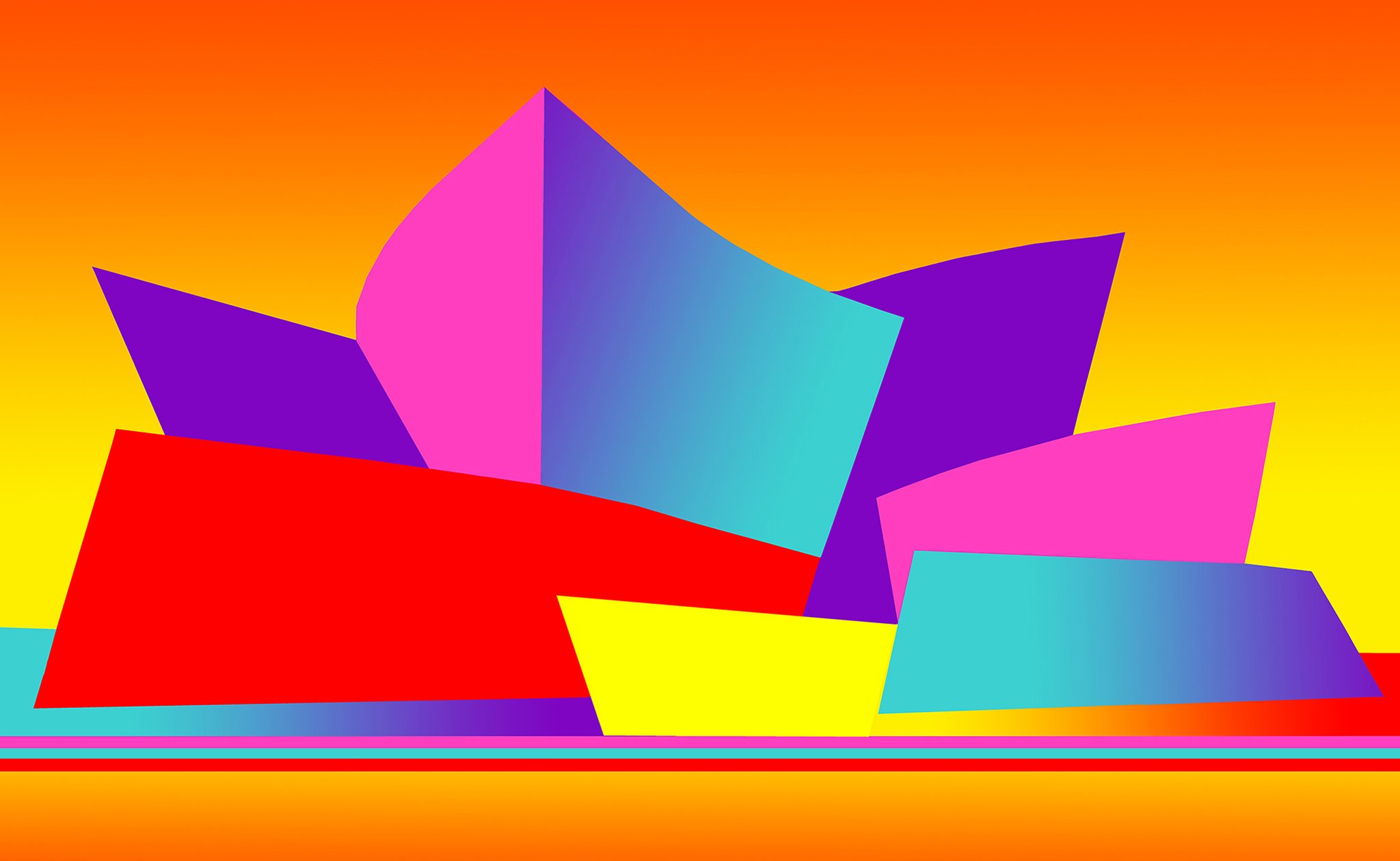
‘‘The feeling of watching strangers enjoying my art was intoxicating. It still is’’
Having expressed yourself through painting from a very young age, how do you feel this early relationship with art has shaped your entire creative journey?
As a young elementary school student, one of my paintings was displayed at my school’s entryway. The feeling of watching strangers enjoying my art was intoxicating. It still is.
How did your transition from painting to photography influence the way you see and construct images today?
As I mastered new technologies, I was able to incorporate them to turn my photographs into works of art.
What initially inspired you to begin hand-painting on your Cibachrome prints over 40 years ago?
While at my printer’s studio, I watched him spot my prints with retouching dyes. I was inspired.
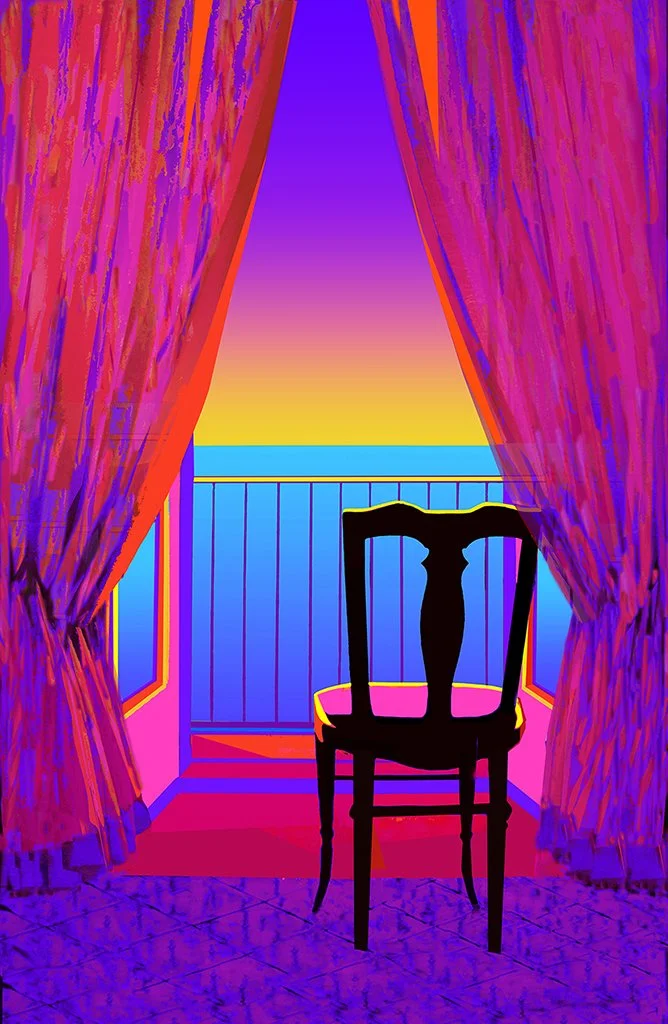
Before the era of Photoshop, how did you develop your own visual language of vivid, saturated, and “unreal” colours in your photographic work?
I began working with Cibachrome prints and discovered a way to paint directly onto them. I used dyes that penetrated the surface, and by adding layers, I was able to achieve vivid, saturated, one-of-a-kind artworks.
How did working with analogue processes like 35mm Kodachrome slides influence your sense of memory and time in your art?
As I began to understand and master Photoshop, I was able to rework my favourite images into enhanced, deeper works of art.
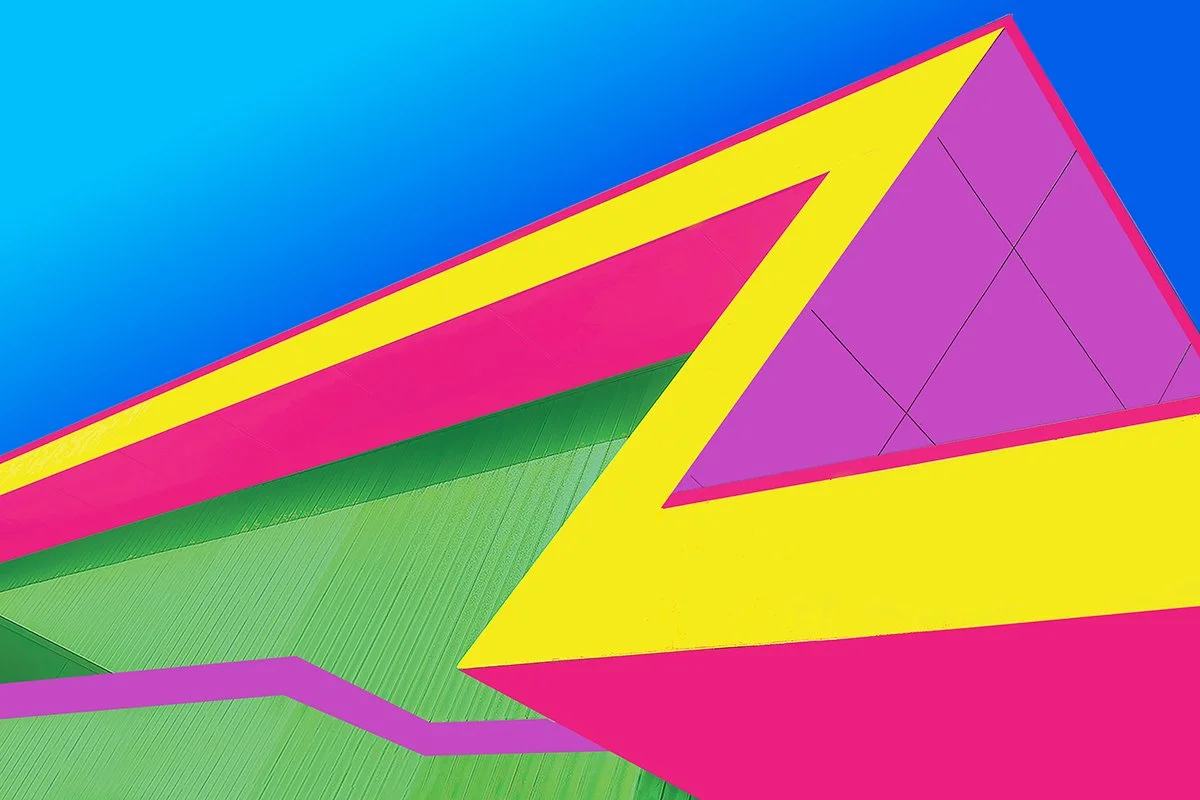
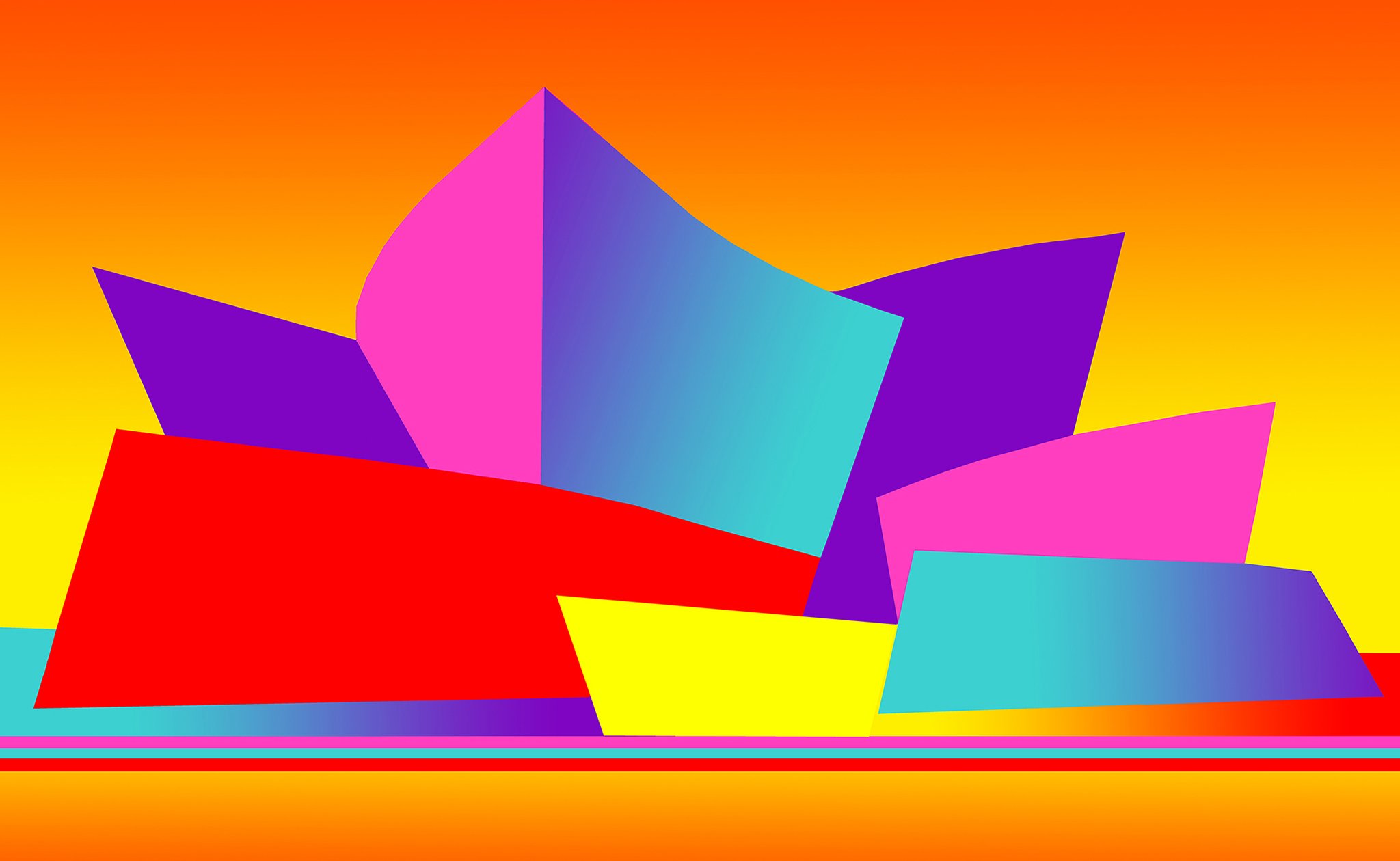
Since digitising your hand-painted prints in 1990, how has your creative process evolved with digital tools like Photoshop?
It’s hard to finish a piece of art with Photoshop. My imagination is constantly coming up with new combinations to try. At some point, however, I finally look at my picture and decide it’s done.
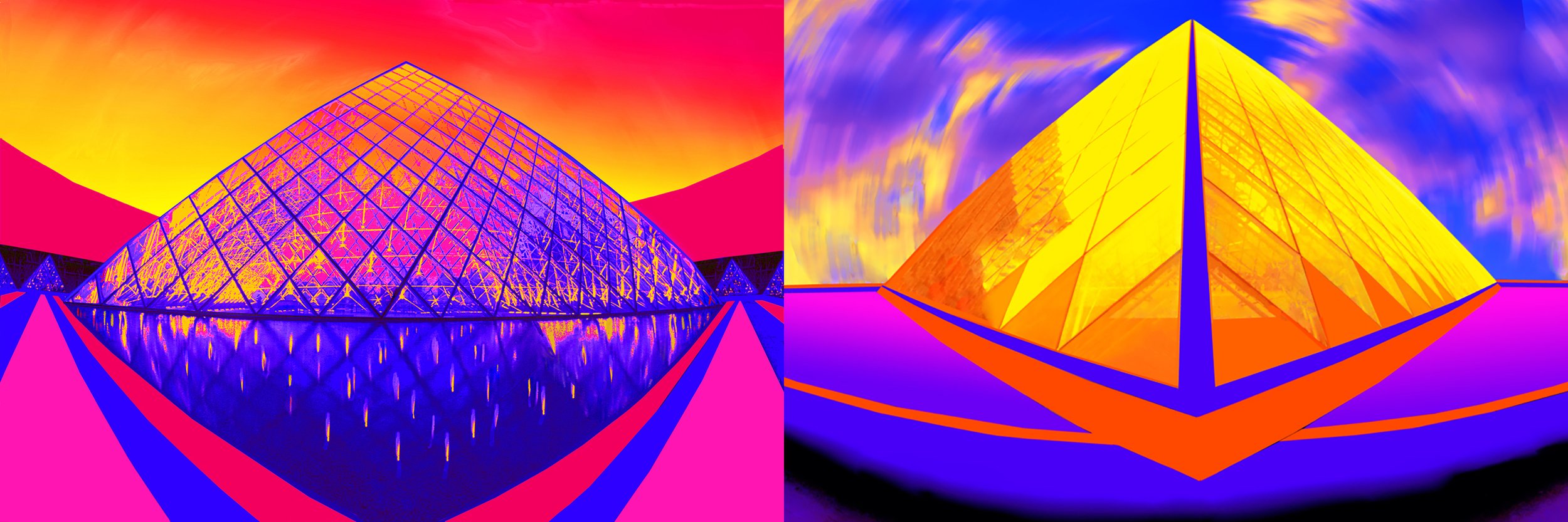
When combining painting, photography, and digital manipulation, how do you decide when an image feels complete?
Joy is my criterion for a finished piece of art. If the depiction makes me happy and fulfils what I’d imagined, then I feel like I’ve accomplished what my artistic intent was.
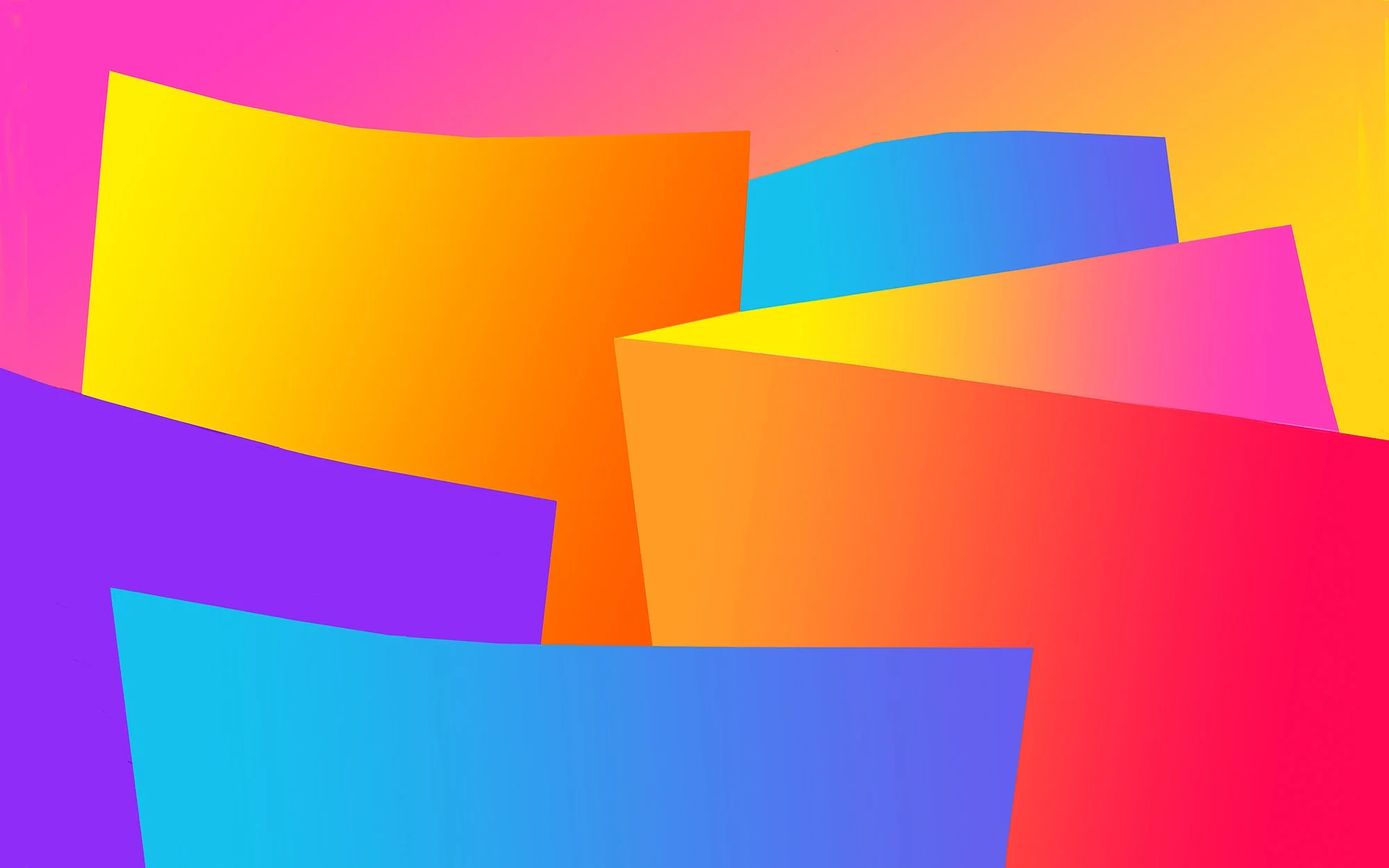
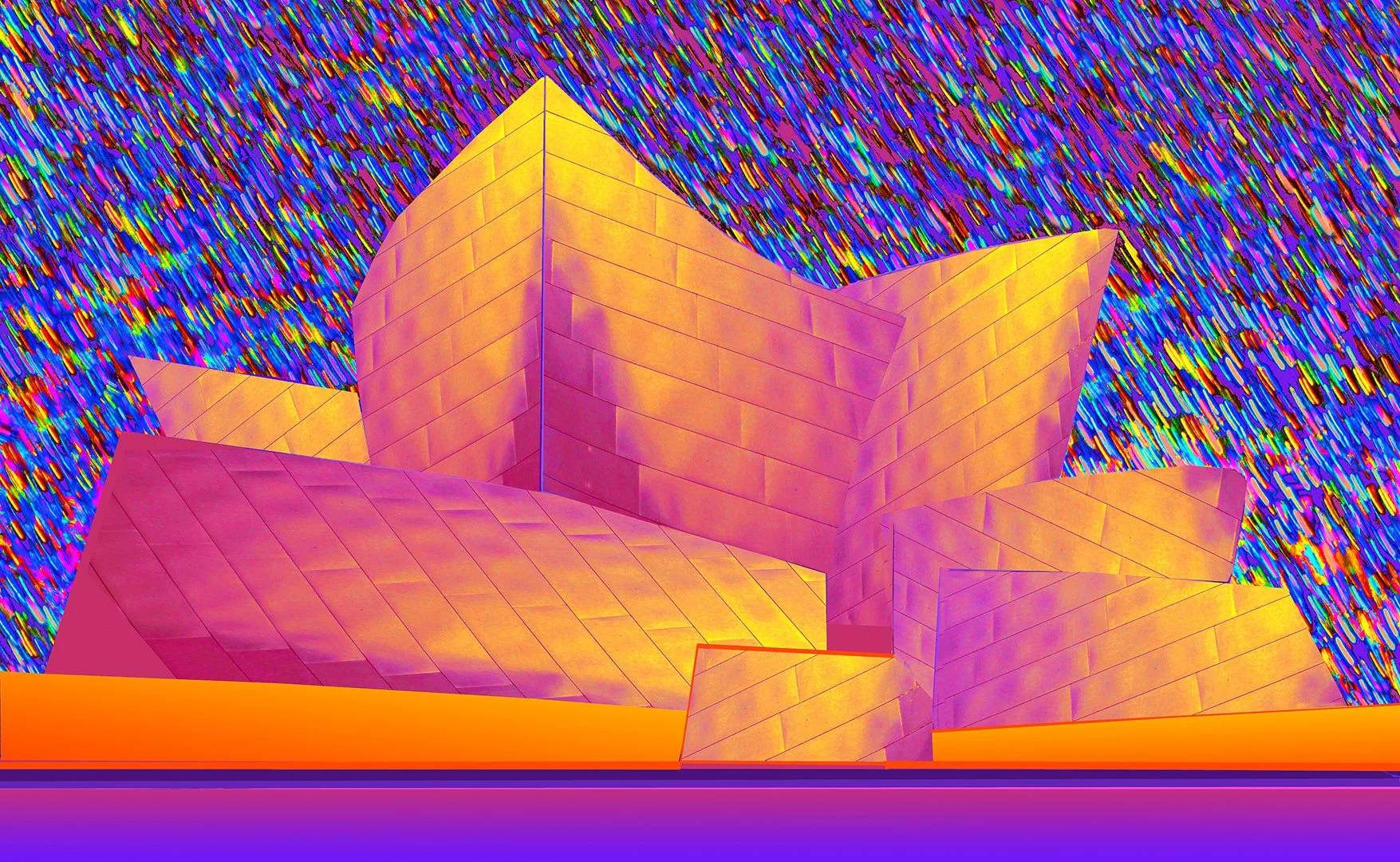
You describe creating your own “idyllic world” — what defines this world emotionally or visually for you?
I have been fortunate enough to have had several major shows in Europe. I love to travel and take pictures. I’ve been to over fifty different countries to gather these images. Each time I travel, I find something new and fascinating. I’m never short of images to work with.
Having exhibited internationally in solo and group shows, how has global exposure influenced your artistic direction?
For the last three decades, I’ve built on the foundation of my earlier photographic works. I’ve been able to keep up with the ever-changing world of photography by simply adapting the new technologies to my art.
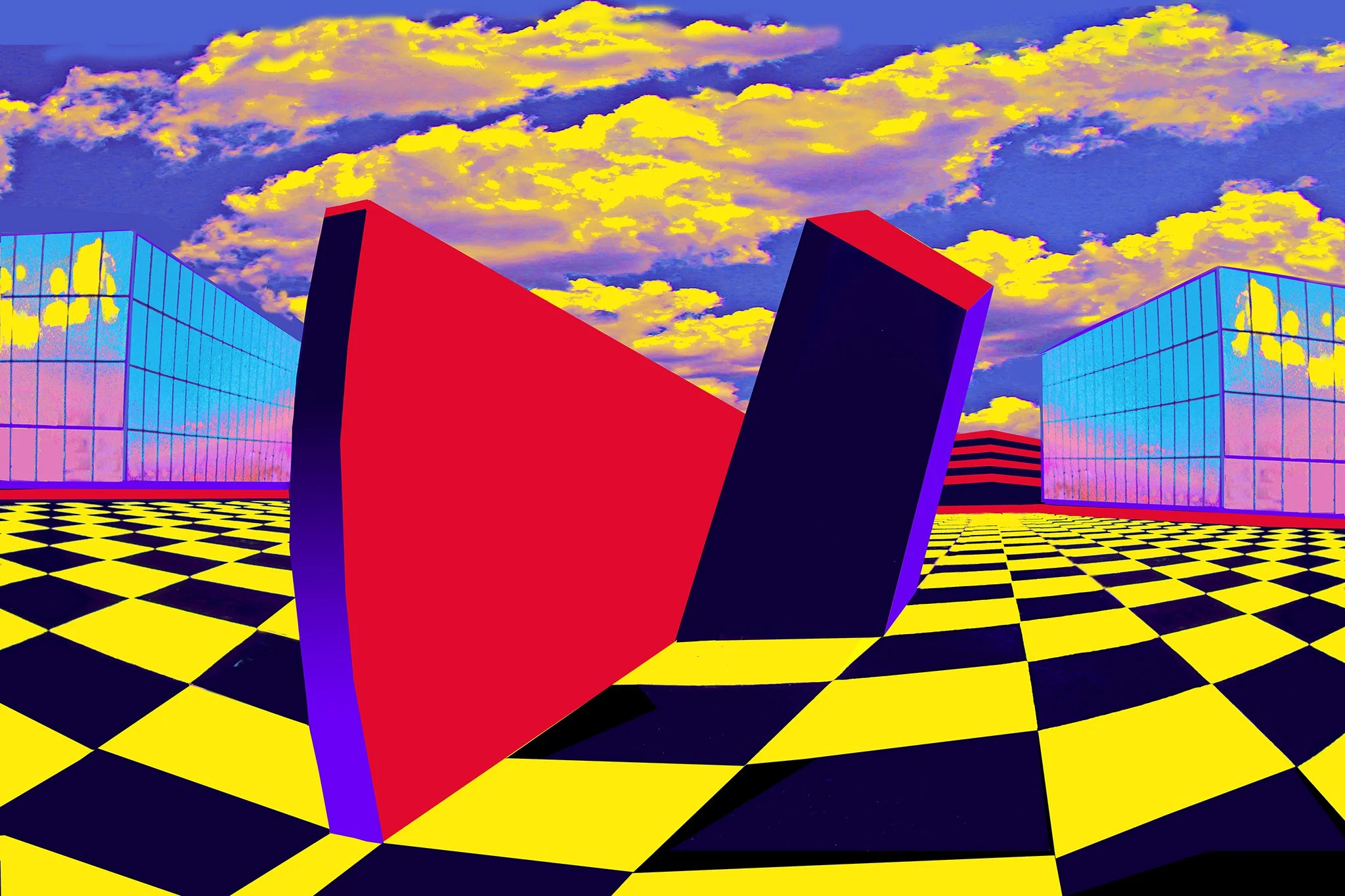
Discover more: Website
