
Nader Al-Fahad
Nader Al-Fahad is a Toronto-based designer and artist whose creative practice begins with quiet observation. With a background in visual communication, branding, and interior design, he explores how material, light, objects, and atmosphere shape the way we experience spaces.
Driven by curiosity and an interest in everyday details, Nader reimagines familiar objects through unexpected forms, arrangements, and relationships. His work invites viewers to look beyond function, discover new possibilities in the ordinary, and find their own meaning in the things around them.
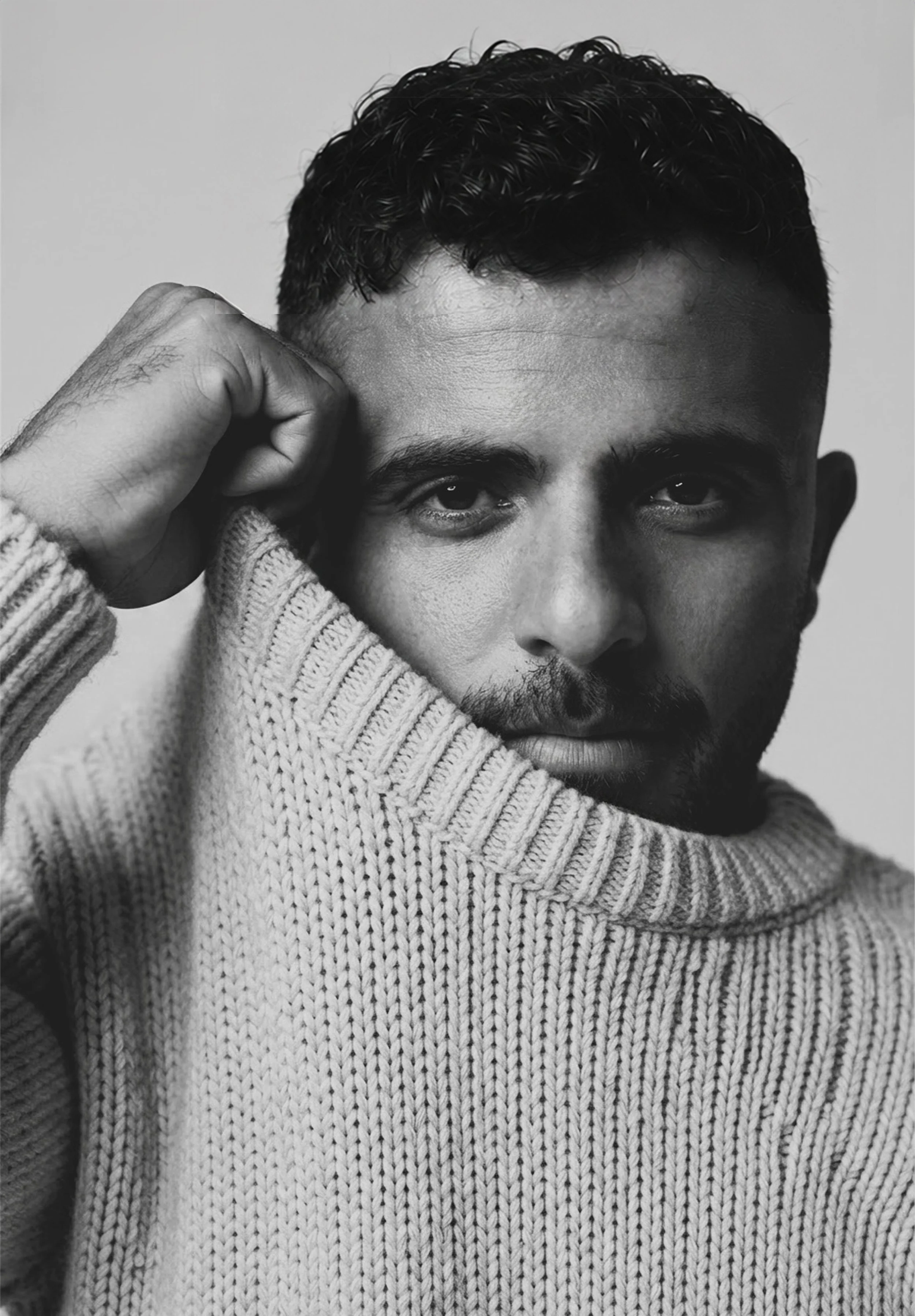
‘‘I hope people find a little of themselves in the work’’
Could you introduce yourself and tell us a little about your background, your studies in interior design, and how you came to develop your creative practice?
I’m a Toronto-based designer and artist. Before studying interiors, I was already working across visual communication, branding, digital, print, and web. Moving into interior design felt less like changing direction and more like expanding the scale of what I was interested in. I became more fascinated by environments that could be experienced, and by how different elements like material, light, proportion, objects, and atmosphere together shape how someone feels within a space.
Over time, those different ways of working came together into a creative practice driven largely by curiosity: noticing something, questioning why it is the way it is, and exploring whether it could behave, feel, or be understood differently.
You describe your practice as beginning with “quiet observation.” What does observation mean to you?
I notice small things that spark curiosity, either out of genuine interest or because they make me question what I am actually looking at. A bench that works better because it sits under a tree, a door that feels good to close, or how a completely ordinary corner becomes irresistibly beautiful because everything happens to be in the right place.
Observation, for me, is simply not taking those moments for granted. I want to understand what made them work, whether someone intended it or it happened completely by accident.
How has your background in interior design influenced the way you approach art and creative projects?
I might begin an artwork from a feeling, a lived experience, or something I personally want to say. Design gives me the tools to translate that into something others can interact with and experience, whether through an image, an object, a space, or a combination of mediums. It informs how I compose it, what materials I use, how I make it, photograph it, display it, and eventually tell its story.
Interior design has also trained me to think across many layers at once: scale and proportion, emotion and behaviour, composition, material relationships, fabrication, sequence, and presentation. You learn how different parts behave together, how one element can strengthen another or completely work against it, and how every decision contributes to the experience as a whole. That way of thinking naturally carries into everything I make.
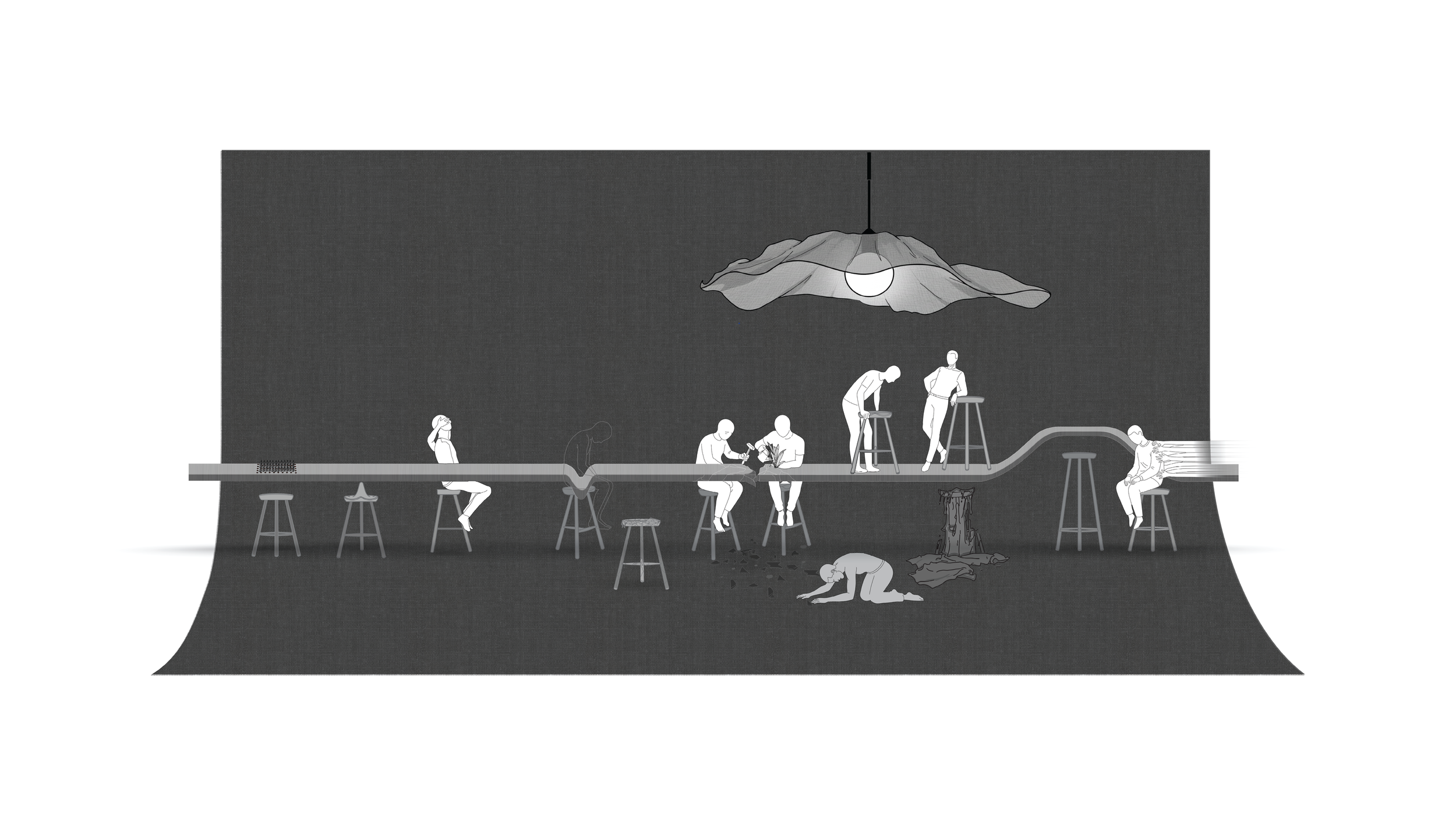
Your first collage began instinctively, with objects arranged through form, tension, and curiosity rather than function. What interests you about seeing everyday objects differently?
I’m interested in looking at familiar objects beyond the assumptions already attached to them. An ordinary object can carry a function, a memory, even an entire imagined story, and sometimes those associations make its other possibilities harder to see. Looking again can reveal that something dismissed, replaced, or thought to be finished is already capable of doing what is needed, just differently.
I like giving myself the authority to decide whether something has another life or use, rather than treating its prescribed function as its only possibility. It is never about being unconventional for the sake of it. It still has to work, serve a purpose, and look good. For me, the interesting part is finding an unexpected possibility that feels convincing enough to become completely natural.
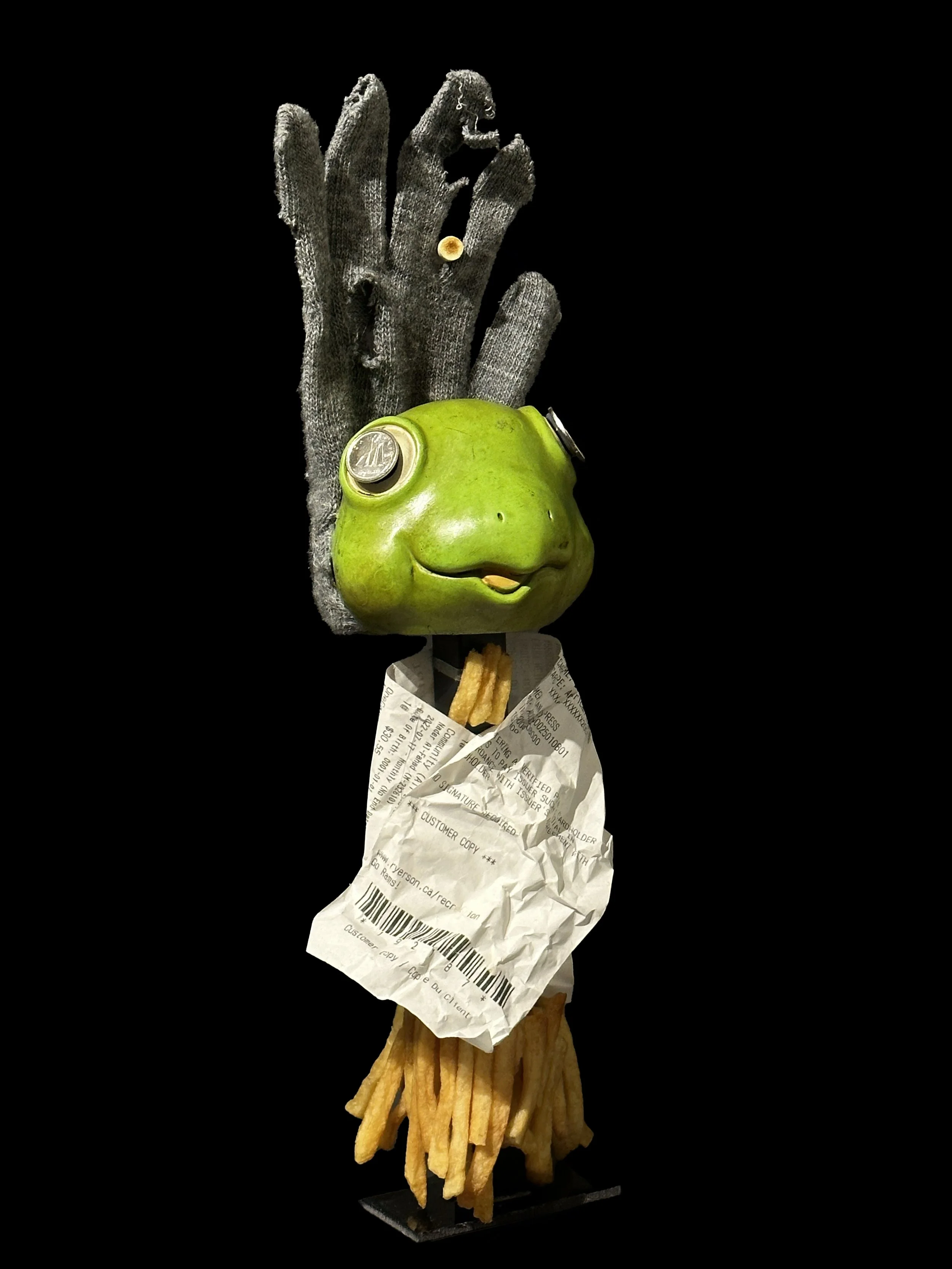
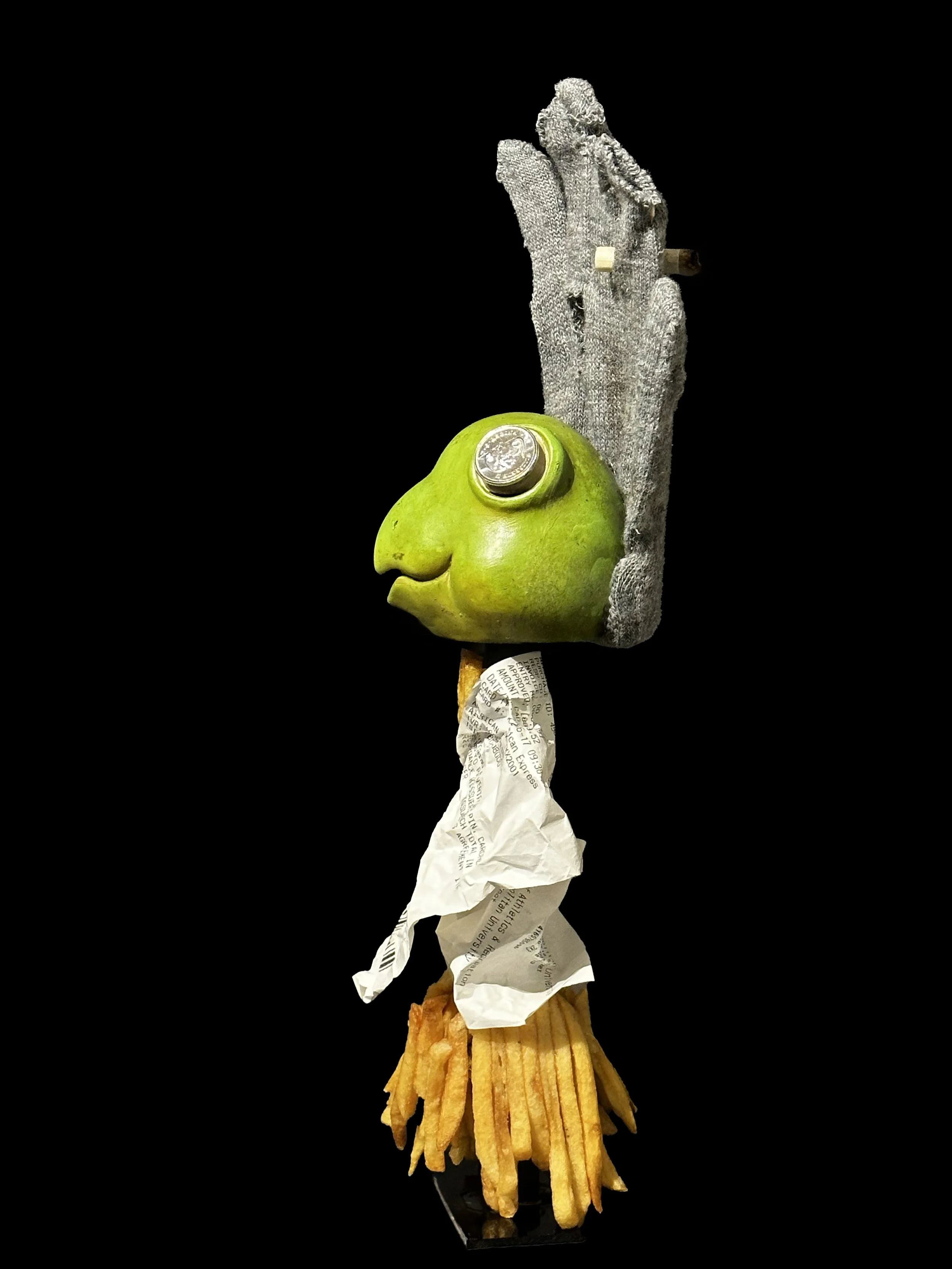
You work with found objects such as receipts, coins, cigarettes, food, and everyday personal items. What attracts you to these ordinary objects?
What attracts me is their familiarity. A receipt, a coin, a cigarette, or something left on a table already carries information: a place, a habit, an exchange, a person, a particular moment. They can say a lot without needing much explanation.
That familiarity gives me something immediate to work with. I can begin with an object someone already recognizes and shift its context, scale, arrangement, or relationship to other things. The object stays ordinary, but the way it is encountered changes, and suddenly something usually passed over becomes worth looking at again.
What do you hope people notice or feel when they encounter your work?
I hope people find a little of themselves in the work, whether that makes them feel seen, curious, challenged, empowered, or simply hopeful. I don’t expect everyone to take the same thing from it; I actually like that the work can meet someone through their own experiences and leave them with something I may not have intended.
And I always want some room for playfulness. Something can carry meaning and still make you smile, surprise you, or invite you to come a little closer.
Your work moves between design and storytelling. What role does storytelling play in the spaces you create?
Storytelling gives a space a sense of logic beyond simply putting beautiful things together. It creates relationships between decisions: why something is revealed first, why another element is quieter, how someone moves through the space, what feels familiar, and what stays with them. It helps turn individual choices into an experience with a point of view.
For me, it is also a way of translating design language into something more human. A story allows someone to imagine the space before it exists: what it might feel like to arrive, what they notice, what it reminds them of, and whether they can see themselves within it. That makes the person experiencing the space part of the narrative rather than simply a viewer of the design.
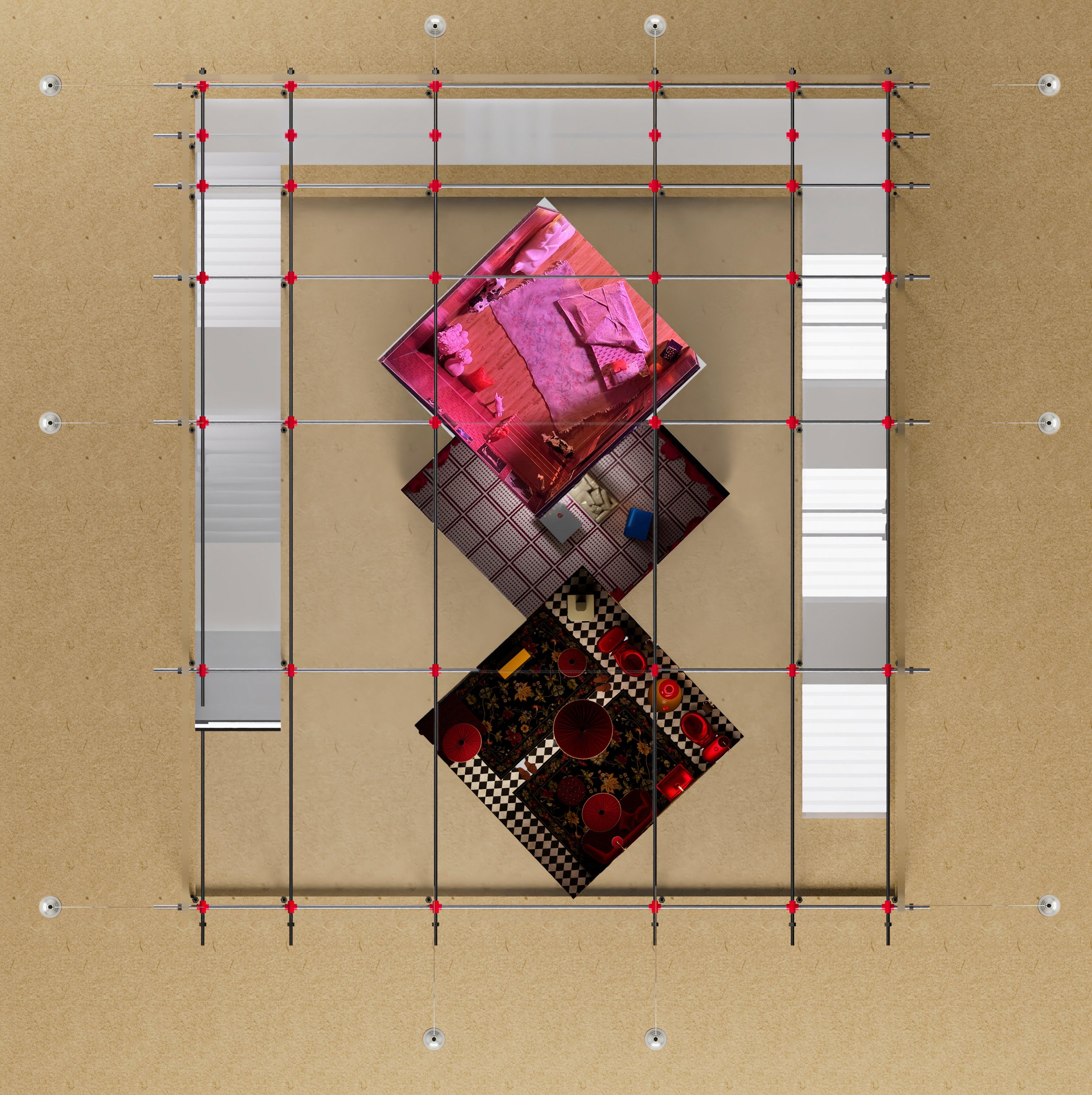
How do your personal experiences and the environments around you influence the ideas that become your projects?
Certainly. My work is influenced by lived experiences, places, people, and the things I encounter along the way. Personal stories, conversations with strangers, friends and family, late-night existential questions, or an idea that somehow arrives on a dance floor, I’ve borrowed something from all of them. Living in different places has also shown me that there is rarely only one way of doing something, and that has given me both a wider perspective and stories I can use to connect with others.
Some environments, and certain stages of my life, required me to be resourceful. I couldn’t always wait for the right tool, opportunity, or circumstance, so I learned to work with what was available, teach myself what I needed, repurpose something, or find another route. That instinct still shows up in my work: adapting, questioning, borrowing, and finding possibility in what is already there.
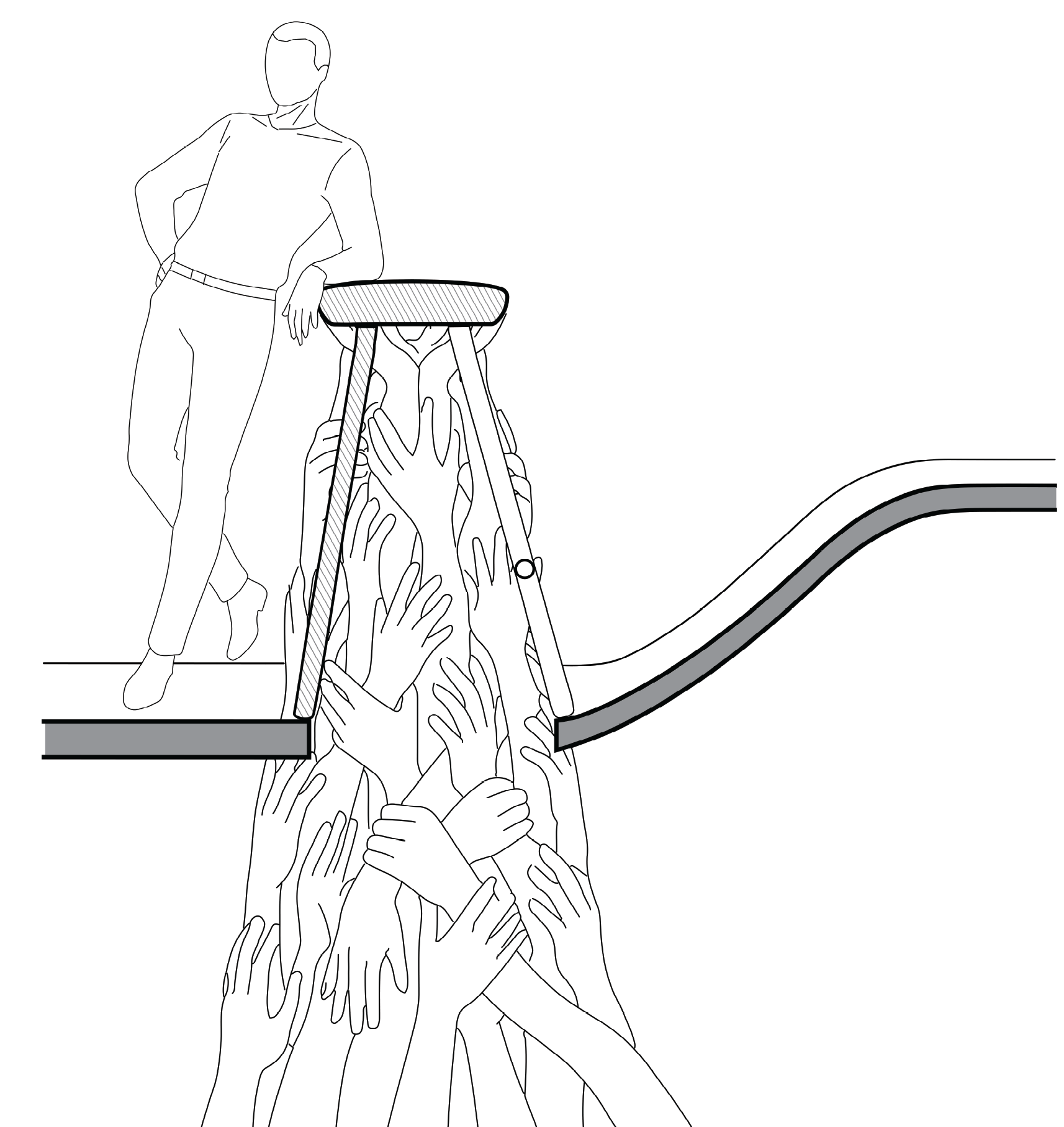
What are you currently curious about or hoping to explore next in your creative practice?
Right now, I’m quite obsessed with the parts of space that are difficult to photograph: scent, temperature, humidity, and air quality. I’m fascinated by how quietly they can change my experience of a place while remaining almost invisible, and I’m curious about how consciously other people experience them too.
More importantly, I find myself increasingly drawn to self-expression through material, objects, form, and unexpected combinations of things. I’m interested in making work that does more than exist as a beautiful object; I want it to carry something. Could an object make someone feel empowered? Could it offer hope, hold a memory, represent a dream, or become a metaphor for something much larger than itself? I want to explore how materials and forms can communicate those ideas without having to explain everything in words, and leave enough space for people to find something of their own in them.
Discover more: Instagram
