
How to Photograph Your Artwork With Your Phone
A clear photograph helps someone assess your artwork before seeing it in person. You can make a useful submission image with a phone by paying attention to light, alignment and honest colour.
Set up the work and light
Clean the lens and place the work against an uncluttered background. Use even, indirect daylight when possible and avoid mixing daylight with strongly coloured room lights. Check for glare across the entire surface. Move the work or change your position until reflections no longer hide important details. For framed work behind glass, this may take several attempts.
Keep the camera square
For a flat artwork, centre the phone and keep it parallel to the surface so opposite edges remain parallel in the photograph. Step back enough to avoid an exaggerated wide-angle view. Hold the phone steadily or use a support and a timer. Take several images, then zoom in to check sharpness rather than judging only from the small preview.
Document three-dimensional work
For sculpture and ceramics, include a clear main view and, where permitted, a second angle that explains the form. A detail can show a surface or material that disappears in the overall image. Keep backgrounds simple and lighting consistent across the set. Supply written dimensions; a photograph alone cannot reliably communicate scale.
Edit to represent, not transform
Straighten and crop carefully, keeping the full work visible in the main image. Adjust exposure and white balance modestly while comparing the file with the artwork. Avoid filters that change colour, texture or contrast dramatically. Export to the format and size requested by the open call, then reopen the exported file and check it before uploading.
From our artist submissions: Odetunde Victor Ajibola
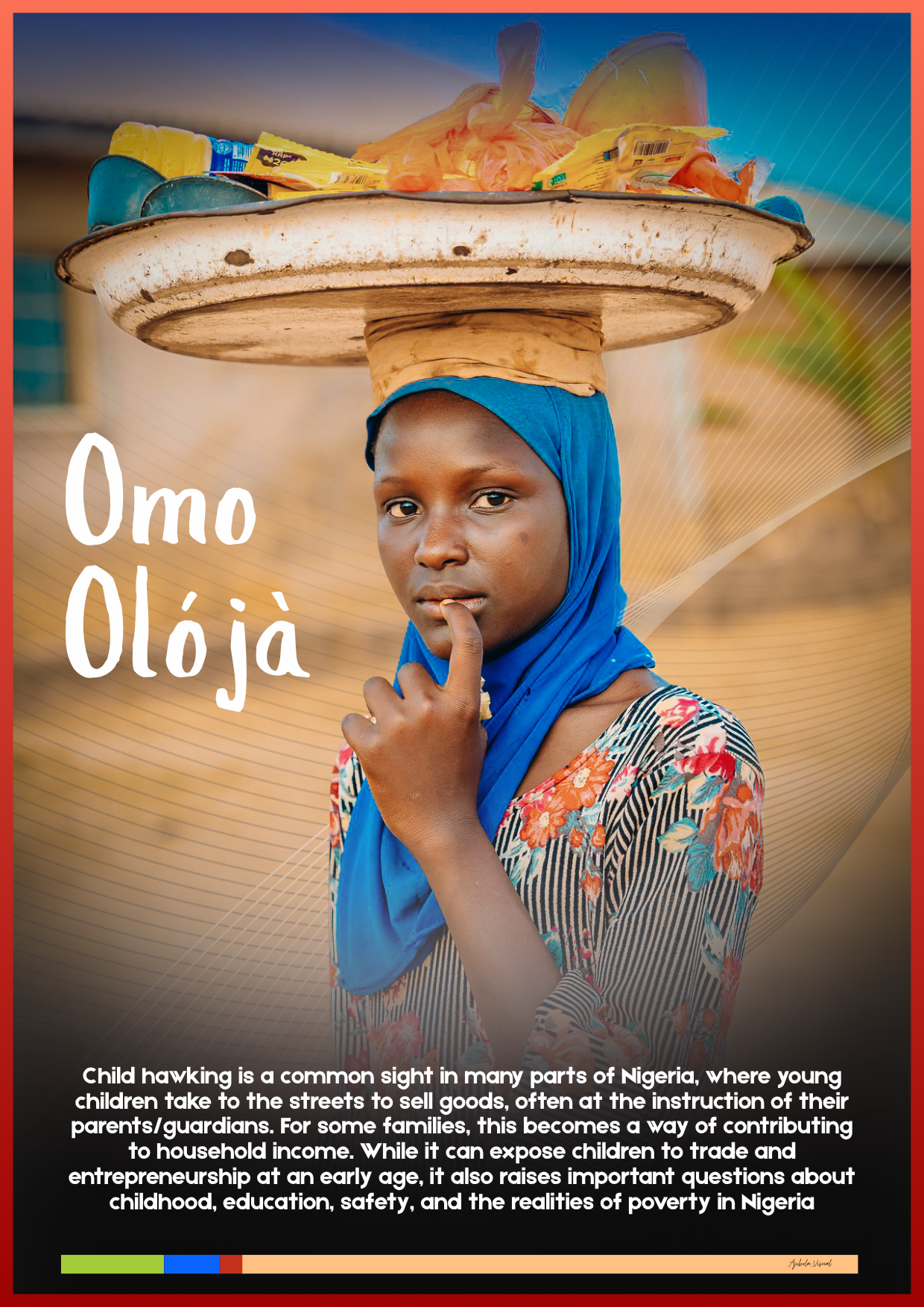
Nigerian documentary photographer Odetunde Victor Ajibola works with culture, community and everyday life. His submitted photograph Omo Olójà is featured here as an artwork in its own right. Documentary photography and application documentation serve different purposes, but both depend on deliberate choices about what the viewer can see.
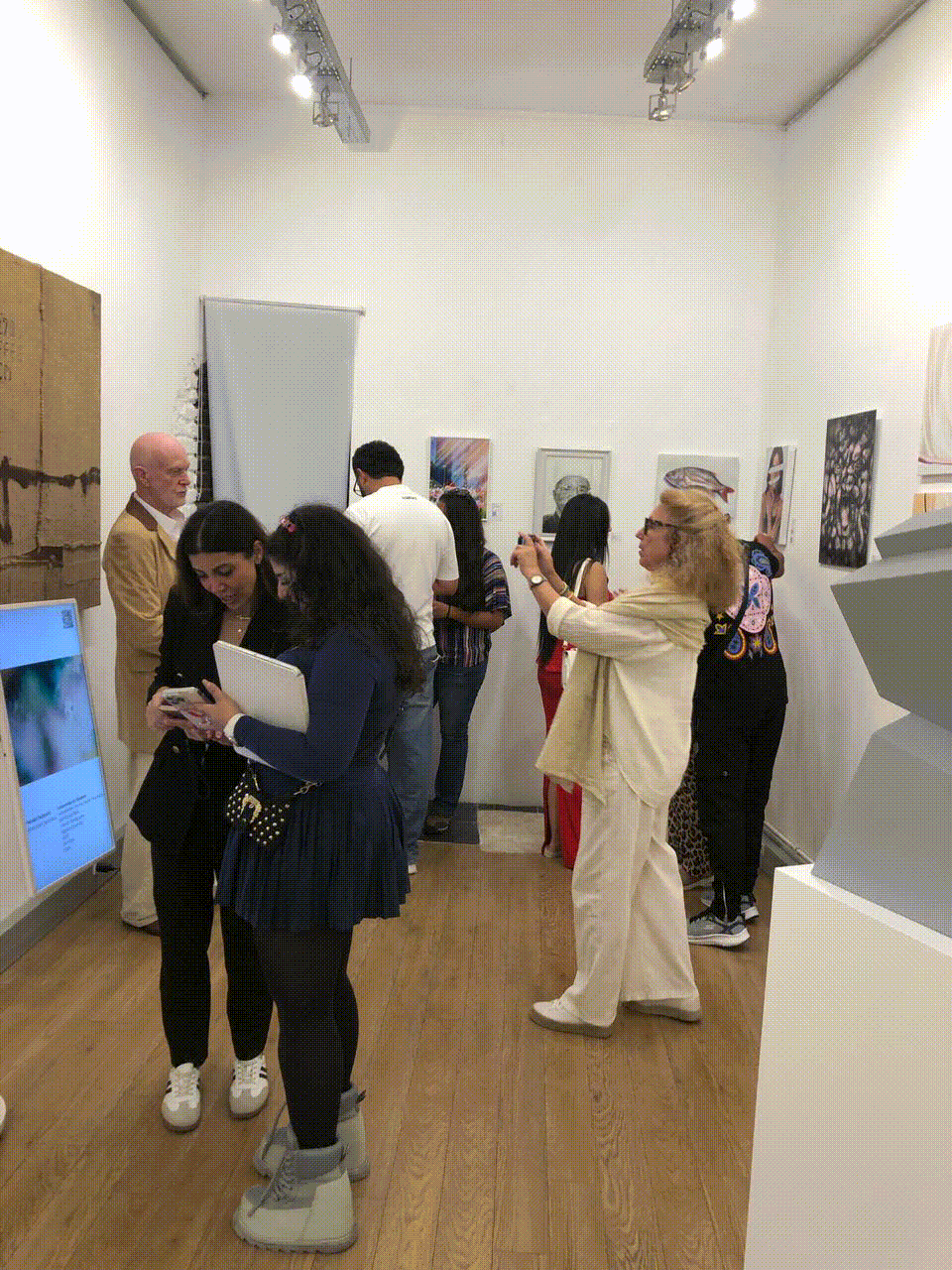
This work was shared through Arrival’s submissions. The exhibition photograph documents a separate past show.
