
Physical or Digital Exhibition: Which Suits Your Work?
The right exhibition format depends on what the audience needs to experience in your work, and what you can realistically prepare. Start with the artwork, then compare the practical details.
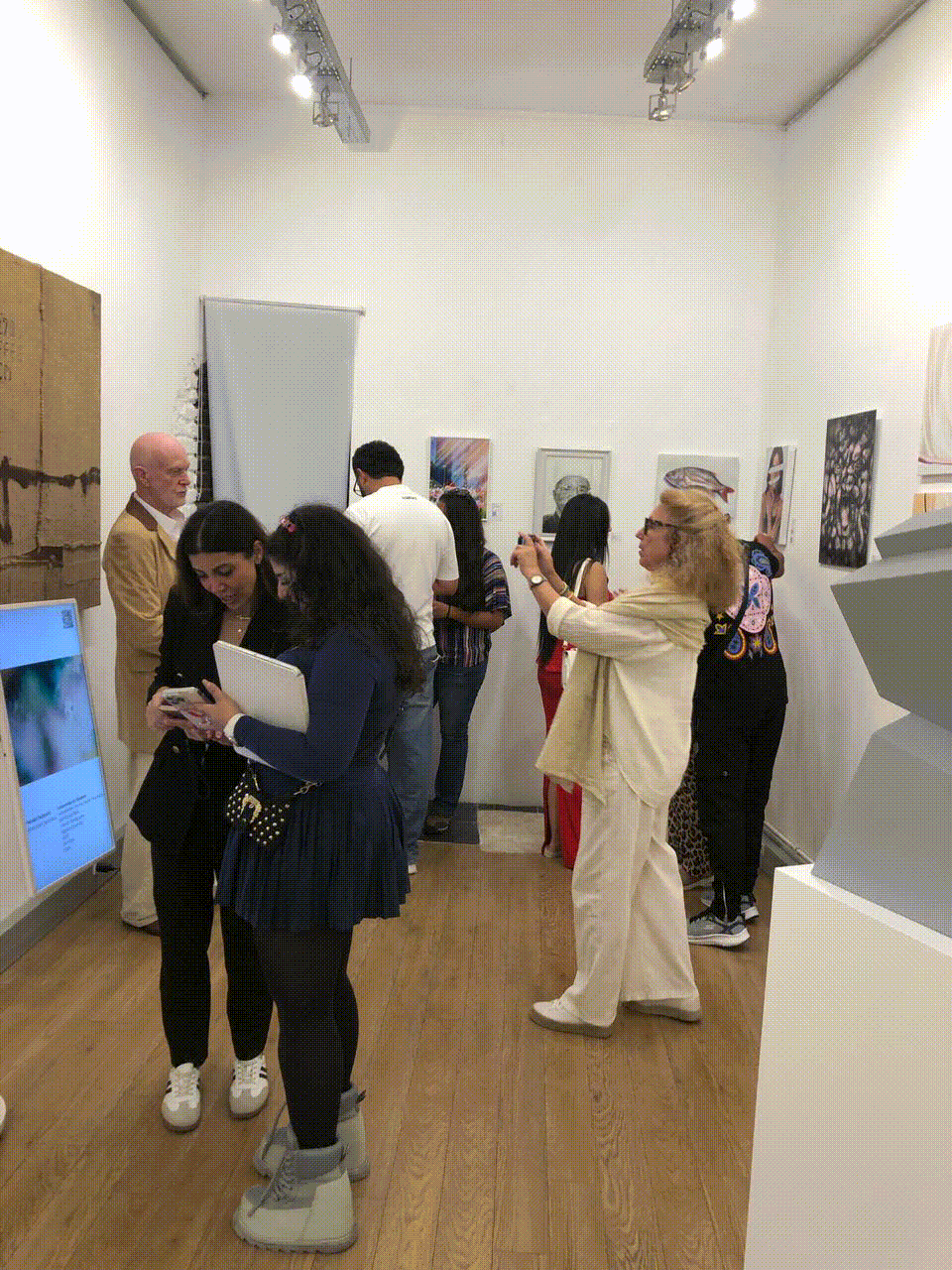
What does the original offer?
Texture, weight, scale and the way light meets a surface can be central to a physical work. If those qualities carry the idea, seeing the original may be especially valuable. Think about the viewing distance and installation requirements as well as the image itself. A small ceramic object and a large painting ask for different kinds of space.
What translates to a screen?
Digital presentation may suit photography, moving image and work made digitally, but it still requires preparation. Ask about screen orientation, resolution, aspect ratio and how long each work is displayed. Check whether sound is supported. A digital presentation of a painting is a representation of the original: choose a photograph that preserves colour and detail as faithfully as possible.
Compare the full commitment
For physical participation, consider packing, shipping in both directions, customs where relevant, framing and collection arrangements. For digital participation, allow time to photograph, edit and export correctly. Compare the current fees and terms for the specific call. A lower shipping burden does not automatically make one format the best artistic choice.
Make a small test
View your digital file at the intended aspect ratio and look for accidental cropping or unreadable details. For a physical piece, photograph it against a wall and note its finished dimensions. Write down the one quality that must survive the presentation. Use that as the question you take to the organiser.
From our artist submissions: Paolo Chelo
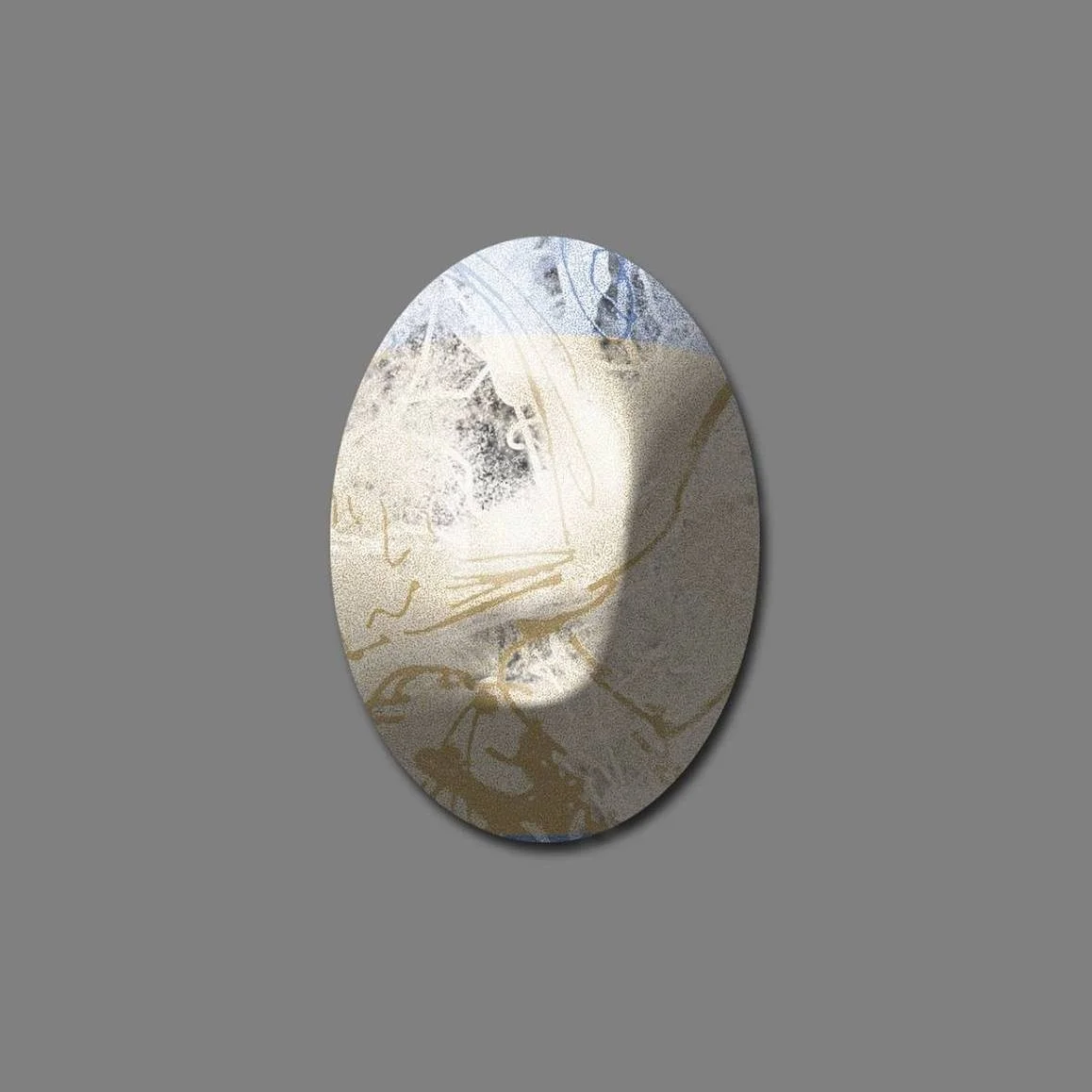
Rome-based visual artist Paolo Chelo draws on a background in printmaking, exploring gesture, light and memory through layered imagery. His submitted Light Trace is described as a digital work in an oval format. That makes the relationship between the artwork’s shape and the display’s frame a useful practical consideration.
This work was shared through Arrival’s submissions. The exhibition photograph documents a separate past show.
