
Beyond the Lens: A Conversation with Brigitte B. Burckhardt
by Maria
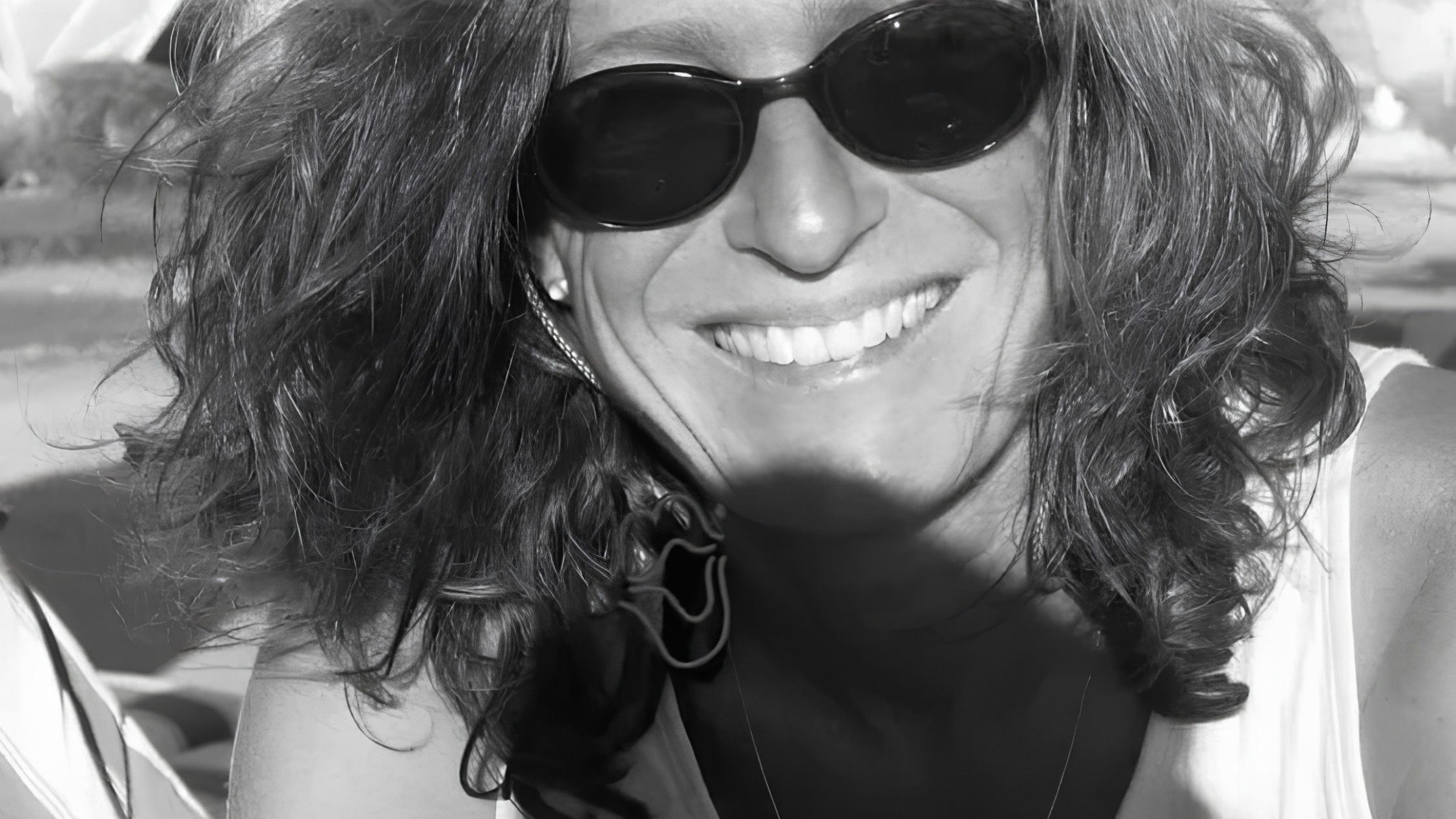
Brigitte B. Burckhardt's photography moves between wide landscapes, intimate street portraits and abstract studies of light and motion. Her work has been exhibited across Europe, North America and Asia.
Yet when we spoke by phone recently, it became clear that her relationship with the camera began long before she called herself a photographer. It is rooted not in formal theory but in wonder, human connection and a lifelong appetite for discovery.
Roots of Observation
Maria: You picked up a camera at a young age thanks to your grandfather. Looking back, how did his influence shape the way you observe the world, and is there a specific advice or lesson from him that still guides your lens today?
Brigitte's introduction to photography came naturally, through a grandfather who was rarely seen without a camera.
"I wouldn't say there was a specific lesson," she reflects, "because I was just a child. But when he visited us on holiday, or when we went to his house, he always photographed the family. Simply being around him and observing how he watched the world stuck with me."
When he gave her a simple compact camera, a lifelong habit of watching was sealed. His photo albums opened a window onto the past: wedding portraits, youthful adventures, and her grandmother's travel pictures from a time when long-distance travel was rare.
"My grandfather was very outgoing," she recalls. "The way he looked at the world and wanted to share what he lived stayed with me. It instilled a mix of curiosity, a joy in living, and an openness to showing the world to others. That is still with me now."

“Reflection” - by Brigitte B Burckhardt
Getting Lost in the World
Maria: You spent your twenties travelling, which sparked your love of landscape and street photography in both colour and black and white. How did moving between cultures sharpen your storytelling eye?
The wanderlust started in her childhood bedroom, where she kept an illuminated globe. Every evening she would spin it, pick a destination like Bangkok, and promise herself she would go one day.
It eventually took her far from home. After exploring North America in her twenties, Brigitte packed a backpack and spent a full year travelling across Asia. This was long before digital cameras, and her film camera demanded patience, restraint and intention. Back home, she spent happy hours in the darkroom, developing her own black-and-white prints.
For her, travel was about far more than taking pictures. It was about stepping into other people's lives, and wherever she went she learned at least a few words of the local language.
"I could see how happy people were about that. It felt like a whole world opening up to me," she says. "I remember a young man once asking me, 'Why are you here? You should stay home with your parents.' I told him that while he might not imagine life in Europe, I was simply curious to meet him and understand his life."
The Ethics of the Street
Maria: Having photographed in so many countries, how does the relationship between photographer and subject change from place to place?
"In parts of Asia, children often run up and ask to have their picture taken," Brigitte notes. "In other places, people prefer not to be photographed for personal or religious reasons. You have to respect that without exception. If I feel someone is hesitant, I put the camera down."
She recalls a workshop where a photographer grew frustrated when a woman lowered her head to avoid being photographed. Brigitte stepped in: "I told him, 'Listen, I think she's from a different background and doesn't want her picture taken. Just let her be.'"
The law varies too. In Italy, for example, personal image rights make street photography more delicate, while the UK and US allow more freedom in public spaces. Yet for Brigitte, the ultimate rule is human empathy rather than legal policy:
"Every place has a different culture, and you have to embrace it. In the end, you look at people's faces. If they aren't comfortable, you don't take the shot."
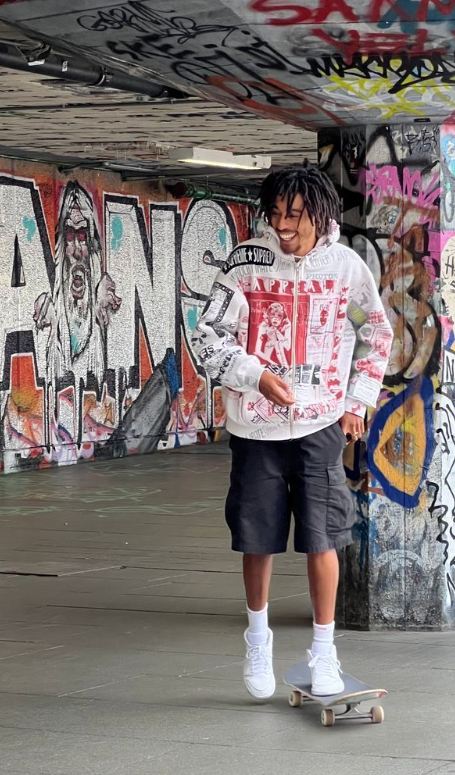
“Happy” by Brigitte B Burckhardt
The Freedom of Abstraction
Maria: Lately, you’ve been experimenting with abstract approaches to photography. What triggered this shift from capturing tangible landscapes and real-world scenes to exploring pure abstract forms?
In recent years, Brigitte's work has grown to include abstract photography built on Intentional Camera Movement (ICM). The shift wasn't planned. It happened while she was photographing sunsets near her lakeside home.
"I felt this sudden urge to move," she explains. "I thought I'd try moving the camera as I shot. The first attempts came out really well, and I thought, 'This is fun.'"
Street photography demands constant alertness and landscape work calls for quiet stillness, but abstraction offers something else: release.
"When I feel I need to be totally free, to move my arms, my body, and let go, that's when I go abstract. I don't expect much from it, which allows me to discover new things. It's the space I go to when I just want to have fun."
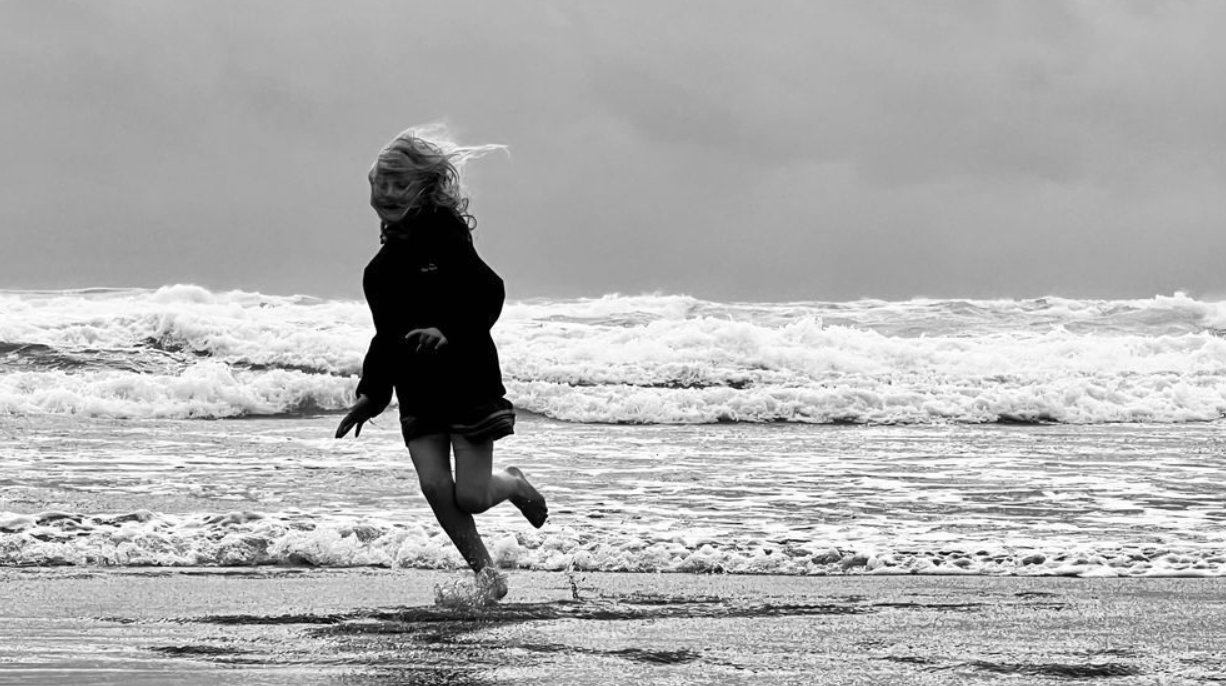
“Running Free” by Brigitte B Burckhardt
Whether through the quiet contemplation of a dusk lake, the unscripted energy of a city street, or fluid sweeps of abstract light, Brigitte B Burckhardt’s work is bound together by a single thread: genuine curiosity.
Her practice serves as a gentle reminder that photography at its best is not merely about technical mastery, but an ongoing act of listening, respecting, and sharing the human experience.
