
Pesca is a self-taught painter based in Berlin. He learned to draw from his grandfather, and drawing gradually became his language for expressing feelings that are difficult to put into words.
Working primarily with acrylic paint and oil pastels, his first body of work, Soft Breaks, explores emotions like grief, anger, depression, addiction and the emotional experiences that often remain hidden beneath the surface.
Through simple compositions, soft colours and subtle details, Pesca creates space for vulnerability, sensitivity and honest emotional expression. His work invites viewers to recognise their own experiences in his paintings and feel a little less alone.
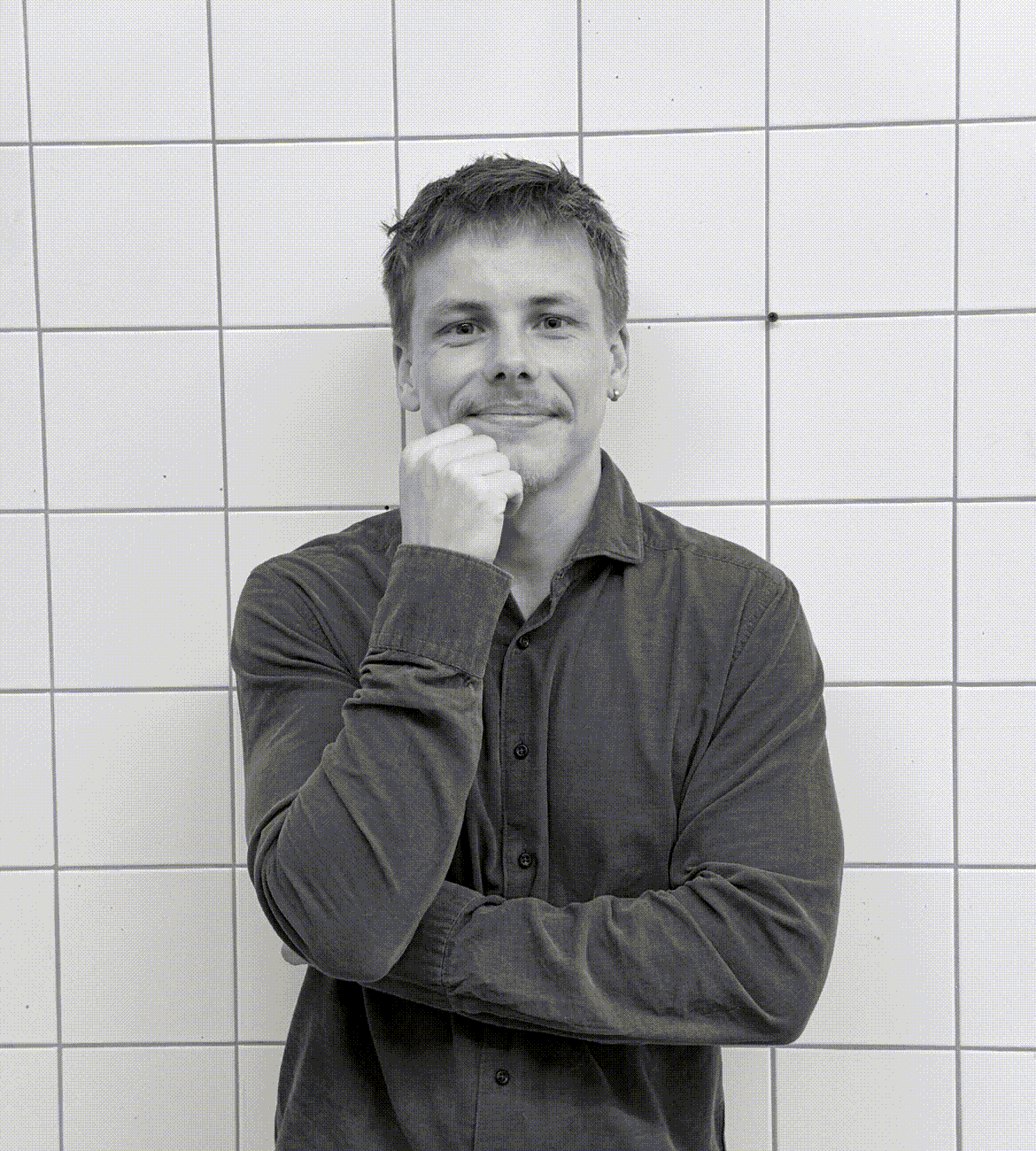
“You don't find yourself by leaving yourself behind.”
— Pesca
How would you describe your artistic practice and the work you create?
I learned to draw from my grandfather, and drawing became the language I use for feelings that are hard to say out loud.
I work with acrylic paint and oil pastels, and my first body of work is a series called Soft Breaks. The style is simple and quiet. Each figure sits alone in a large field of flat colour, with a small paint smear at the edge of the canvas that I treat as a signature.
I want the work to feel calm on the surface and to carry something heavier underneath, the way emotions do. My work comes from my own experience with grief, anger, depression and addiction, and from the pressure on men to stay strong and silent.
I want to show that being sensitive and honest is a strength. I also want to leave room for the viewer’s own story, so that someone standing in front of a painting feels understood and a little less alone.
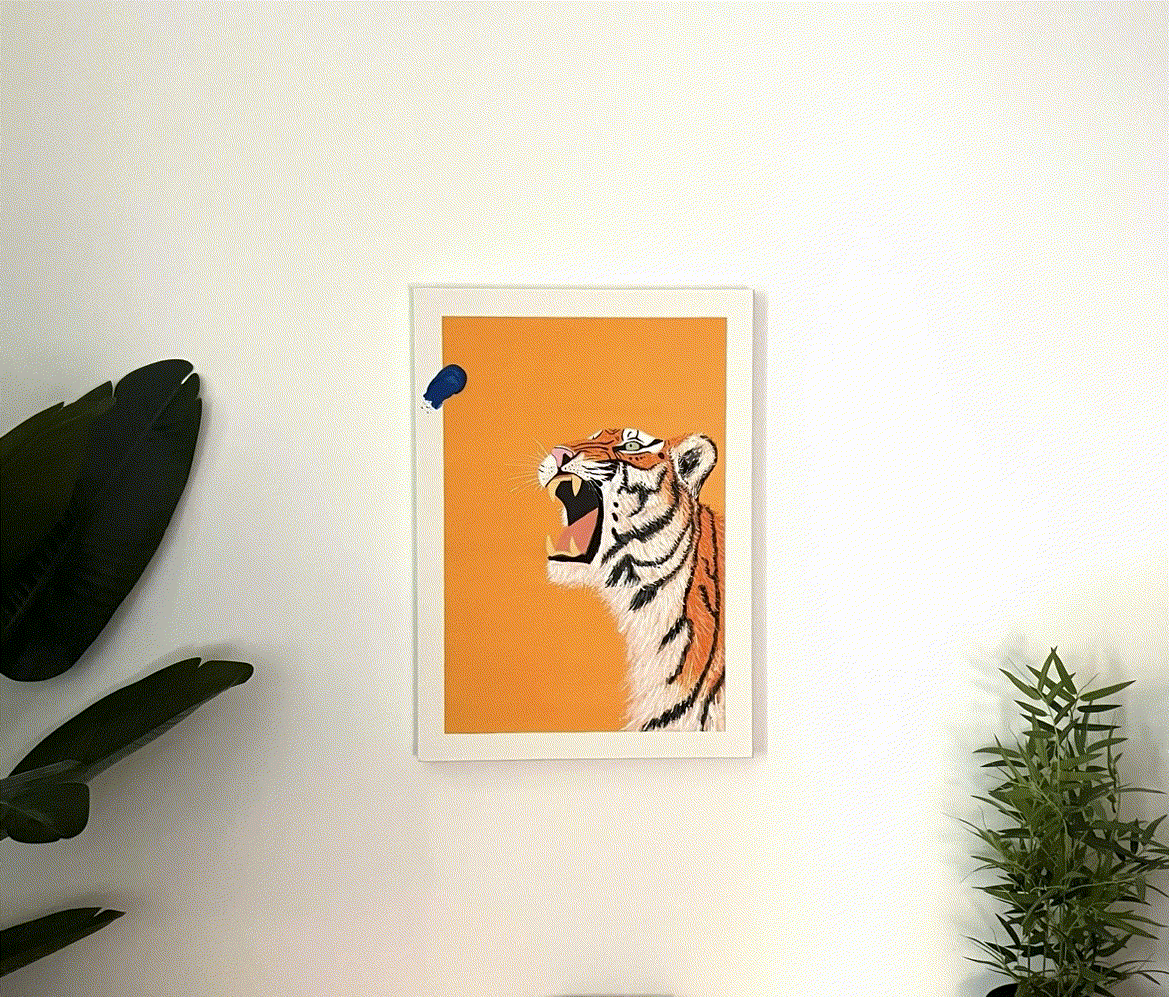
Roar, 1399
Acrylic paint & oil pastels, 50 × 70 cm.
What ideas, experiences and themes most influence your work?
The biggest influence on my work is my own inner life. I paint what it's like to be an emotional man dealing with grief, joy, anger, sadness and the ongoing effort to understand myself. Fighting depression and addiction showed me how complicated the mind is, and how hard it can be to find meaning when everything feels dark.
Painting lets me turn feelings I can't easily put into words into something visible. I'm also shaped by other people's expectations, and by the gap between who I am and who the world expects me to be.
That raises questions I keep coming back to. What does it mean to be strong as a man? Why are vulnerability and sensitivity so often hidden? Can pain become something beautiful?
Several themes run through Soft Breaks: holding on and letting go, the moment just before something slips; overthinking, a mind that is loud inside while the outside looks calm; waiting and patience; being two things at once, where darkness carries a little light and light holds a little darkness; and going back for yourself, returning for the younger version of me and walking on together.
My grandfather is another big influence. He taught me to draw, and that started everything. Drawing became a language for my inner world, and it reminds me why I still create.
Overall, my work is about confronting difficult emotions instead of hiding from them. I want it to be honest and vulnerable, and to leave room for darkness and hope to sit side by side.
Can you tell us about an artwork that feels especially important to you and the story behind it?
The painting that matters most to me is Roar, a tiger in profile with its mouth wide open, on a warm orange ground. It's important because it is about something I've struggled with for a long time: opening up, speaking up and letting people see my strength.
For years I was the tiger who blends in. I kept still and quiet, and read the room before deciding what to do with it. From the outside that can look like emptiness or weakness, and people do mistake quietness for it. For me it was patience, and it was also fear. Opening up felt risky, and speaking up felt even riskier.
It was easier to stay hidden, wait and keep everything inside. I painted the tiger's orange fur so that it almost disappears into the background. Camouflage was the only ever the start of the story. Under the stillness and the scars, the teeth were always there. The roar is not about aggression. It is about finally showing what has been waiting inside me, and trusting that my voice is allowed to take up space.
I hope people who look at Roar feel that their own quiet, held-back parts are not a weakness. And I hope that when they are ready, they feel brave enough to roar.
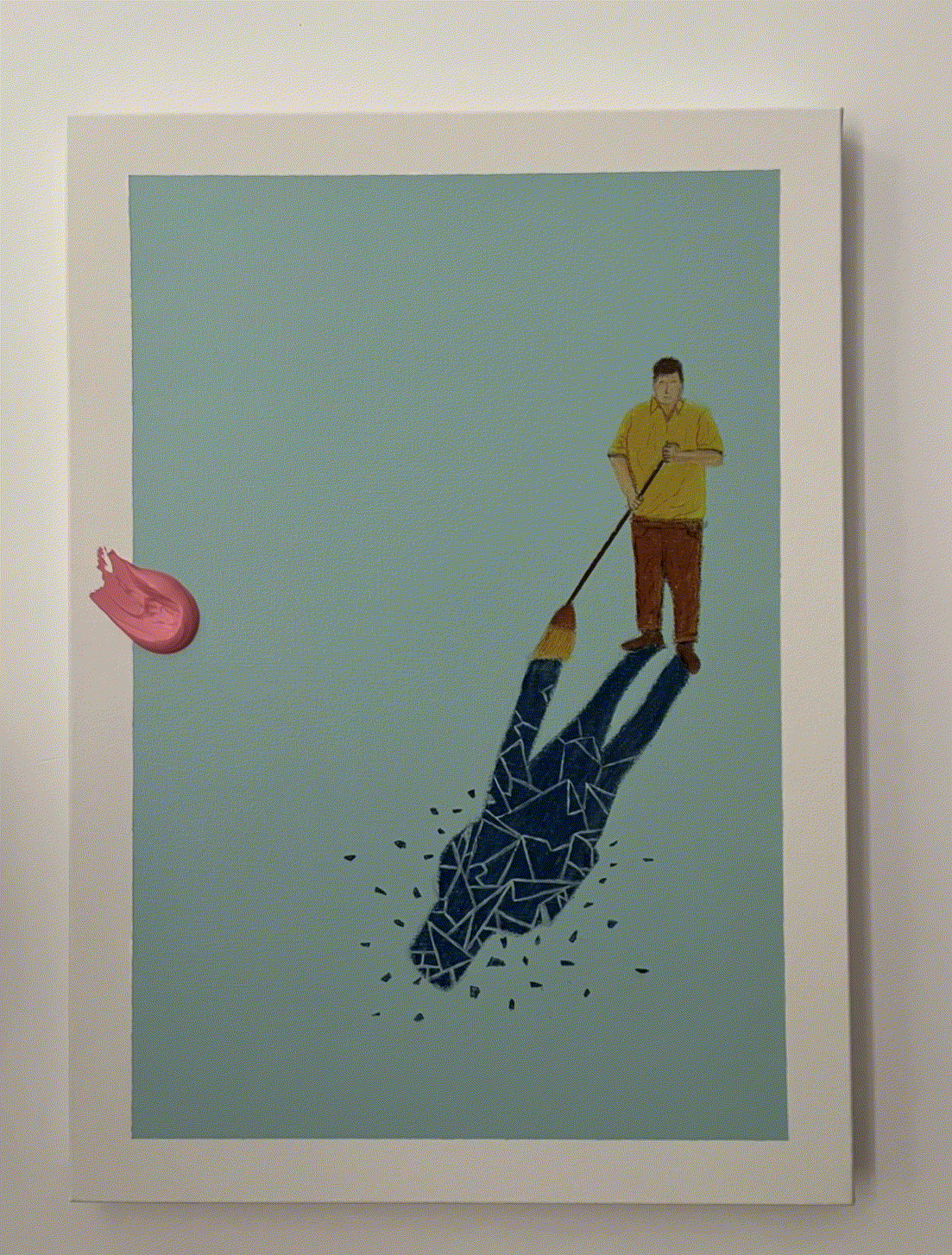
Fade, 1399
Acrylic paint & oil pastels, 50 × 70 cm.
What does your creative process look like, from the first idea to the finished artwork?
My process starts with a feeling, not an image. Something happens in my own life or in the people around me, such as a moment of hesitation, a long silence or a day when I'm overthinking, and I keep coming back to it until I can name it in a single word: Hold, Miss, Quiet, Spill and Wait all began that way.
The word becomes the title and tells me what the painting has to carry. Next, I look for the smallest scene that holds the feeling. It might be a hand on a balloon string, a chair in front of a door, or two figures on either side of a border.
I make sketches and studies on paper first, often in oil pastel, to test the composition before I commit to the canvas. In those studies, I work out where the figure sits and how much empty space it needs.
Colour comes just after that, and I treat it as part of the meaning. Each series is its own chapter with its own colour. I begin with a flat ground in acrylic and keep the figure small, so the colour feels like a mood the person is standing in. Then I add detail and texture with oil pastels.
Living in Berlin feeds this process. I watch people in the city, for example on platforms, in courtyards and on the U-Bahn, and I notice how much of life is waiting, holding on and keeping a calm face.
The last step is a small paint smear at the edge of the canvas. It's the one gesture I leave loose, and it works as my signature. After that, I write a few lines about the painting in the same voice I'd use to say it out loud to a friend.
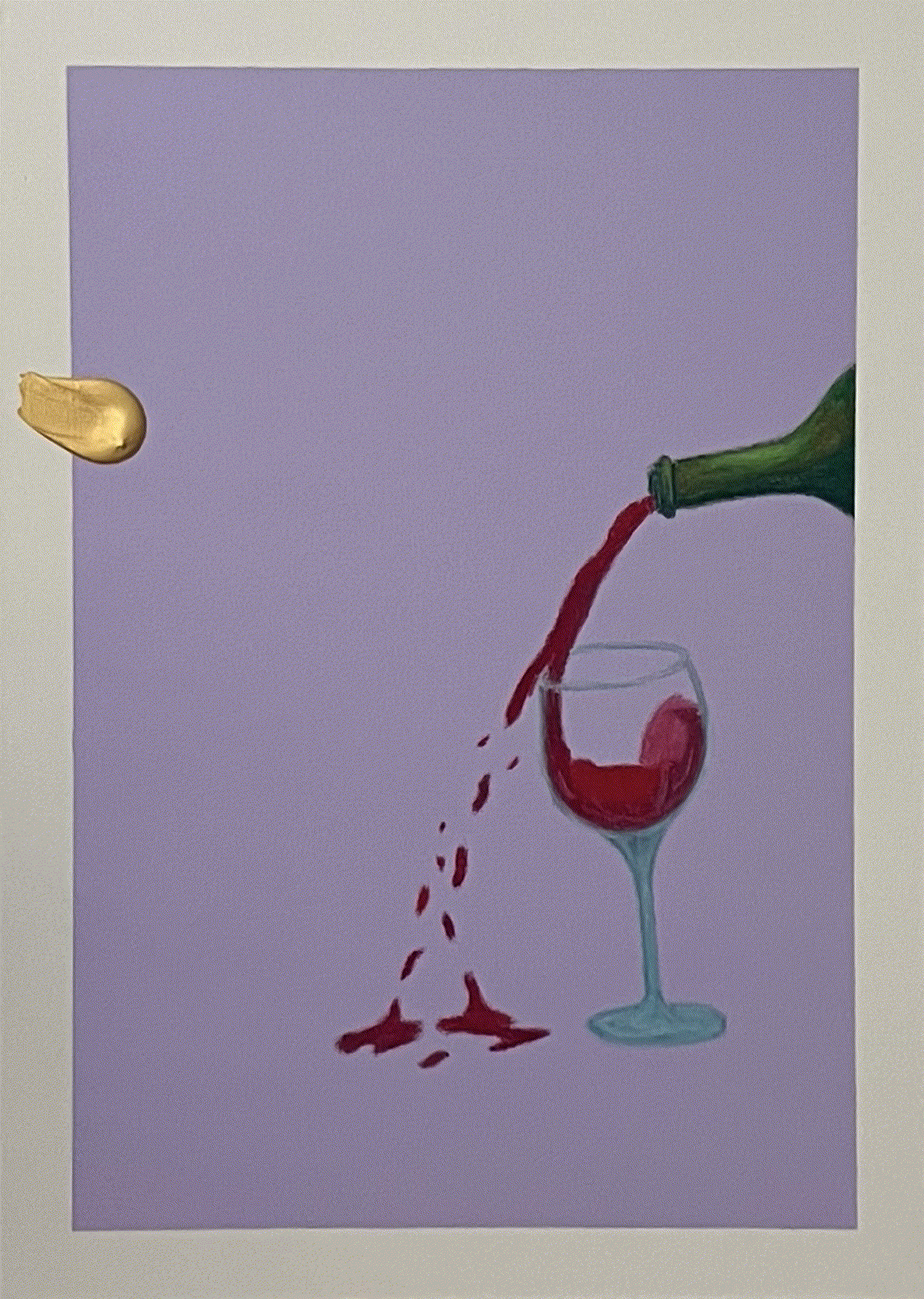
Spill, 1399
Acrylic paint & oil pastels, 50 × 70 cm.
What are you currently working towards, and what would you like audiences to take away from your work?
Right now I'm working on Soft Breaks. It is a series of eighteen paintings in six colour chapters, and I'm taking it from the studio to audiences. My first exhibition was at Arrival Gallery in Amsterdam in 2026. My next steps are more shows, and the chance to work with people who care about this kind of honest, emotional work.
I'm also working on my own visual language, one that is clearly mine, and on being more fearless about what I put on the canvas. I want to keep the simple foundation my grandfather gave me, which is drawing, while pushing my boundaries as a painter. Over time I want to keep exploring vulnerability, identity and the gap between what we show the world and what we hide.
I'm especially interested in how darkness and light can exist side by side, and how moments of pain can sit next to hope, growth and beauty.
What I hope audiences take away is a feeling more than a message. I don't want to tell anyone how to read a painting. I want to leave room for their own stories and memories. If someone stands in front of a piece and feels understood, comforted or even a bit uncomfortable, that is a real connection.
If my work makes someone feel less alone, or brave enough to face something inside themselves, it has done what I made it for. I also want people to see that sensitivity is strength, and that the emotions are a normal part of being human, not a weakness.
Above all, I'd like viewers to leave with the feeling that every shadow has a little light in it, and that you don't find yourself by leaving yourself behind.
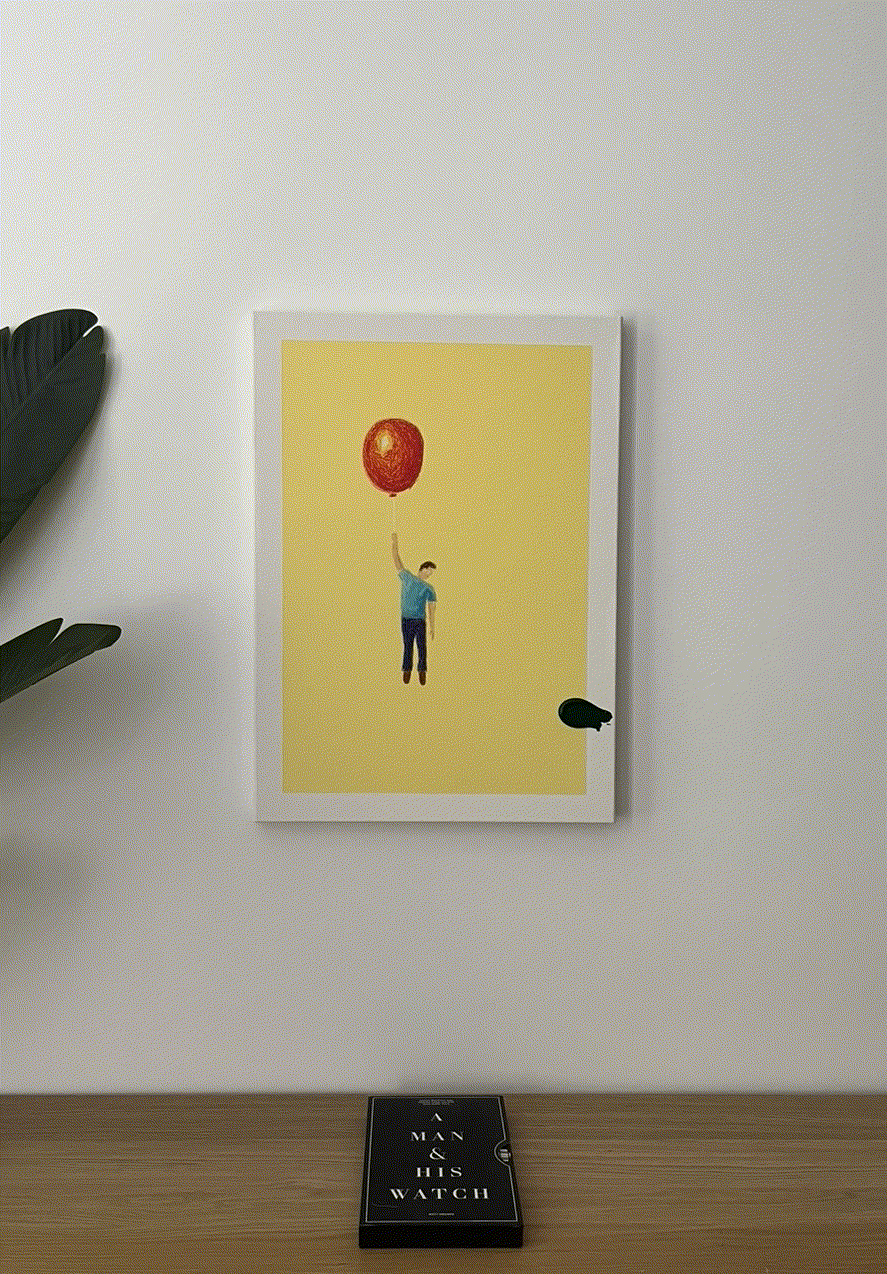
Hold, 1399
Acrylic paint & oil pastels, 50 × 70 cm.
