
What Curators Notice First in Artist Submissions
Submitting artwork to exhibitions can feel intimidating, especially for emerging artists navigating the professional art world for the first time.
To better understand what curators actually look for during the submission process, we spoke with Konna Mpourma, Operations Manager at Arrival Gallery, about common mistakes, portfolio consistency, presentation, and what makes certain submissions stand out.
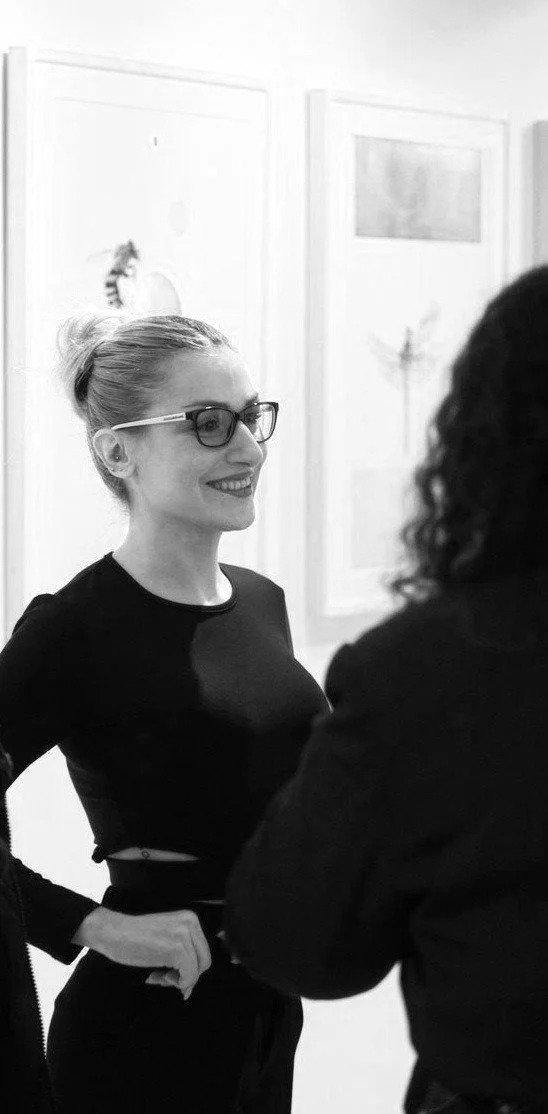
“Presentation can sometimes change the way the artwork is perceived” - Konna Mpourma
Why do artists repeat the same type of work in their portfolios?
Artists often stick to certain themes or styles because that’s how they build a recognizable visual identity.
When your work has a consistent look, people remember it and connect with it more easily. And honestly, maintaining that kind of consistency isn’t easy, so it’s definitely not laziness.
Even someone like Pablo Picasso had recurring ideas running through his work, despite all the different phases he went through. It’s less about repeating yourself and more about exploring, refining, and slowly evolving your own visual language.
Why do some works look unfinished even when they’re “done”?
Sometimes a work looks “unfinished” because… what does finished even mean? You can always add more, erase something, or make one small change that shifts the whole feeling of the piece. There’s rarely a clear moment when a work objectively becomes “done”.
Artists often stop when it feels right, not when everything is perfectly resolved. And that feeling can change. Someone might come back to a piece years later and see it completely differently.
Also, sometimes that “unfinished” look is intentional. Leaving things open, rough, or unresolved can create tension or invite the viewer to complete the work in their own mind.
If curators can’t understand what’s being submitted, it’s usually a quick pass
What are the most common mistakes artists make when submitting work to exhibitions?
The most common mistakes are usually pretty simple. People don’t follow the guidelines properly, use the wrong format, or leave out important information. Artist statements are often unclear or overcomplicated. Low quality or inconsistent images can also weaken strong work.
Another common issue is submitting too much work instead of selecting the strongest pieces. Basic details like title, medium, or year are also often missing.
Ultimately, it mostly comes down to clarity. If something feels messy or confusing, it becomes harder for curators to connect with it, even if the work itself is strong.
What instantly disqualifies an artist from an exhibition?
What gets artists instantly rejected are things like not following the brief, missing or incorrect files, unusable images, or work that clearly doesn’t fit the call. Plagiarism is also an immediate rejection.
But honestly, most of the time it comes down to clarity. If curators can’t understand what’s being submitted, can’t view it properly, or feel that it doesn’t fit what they asked for, it’s usually a quick pass.
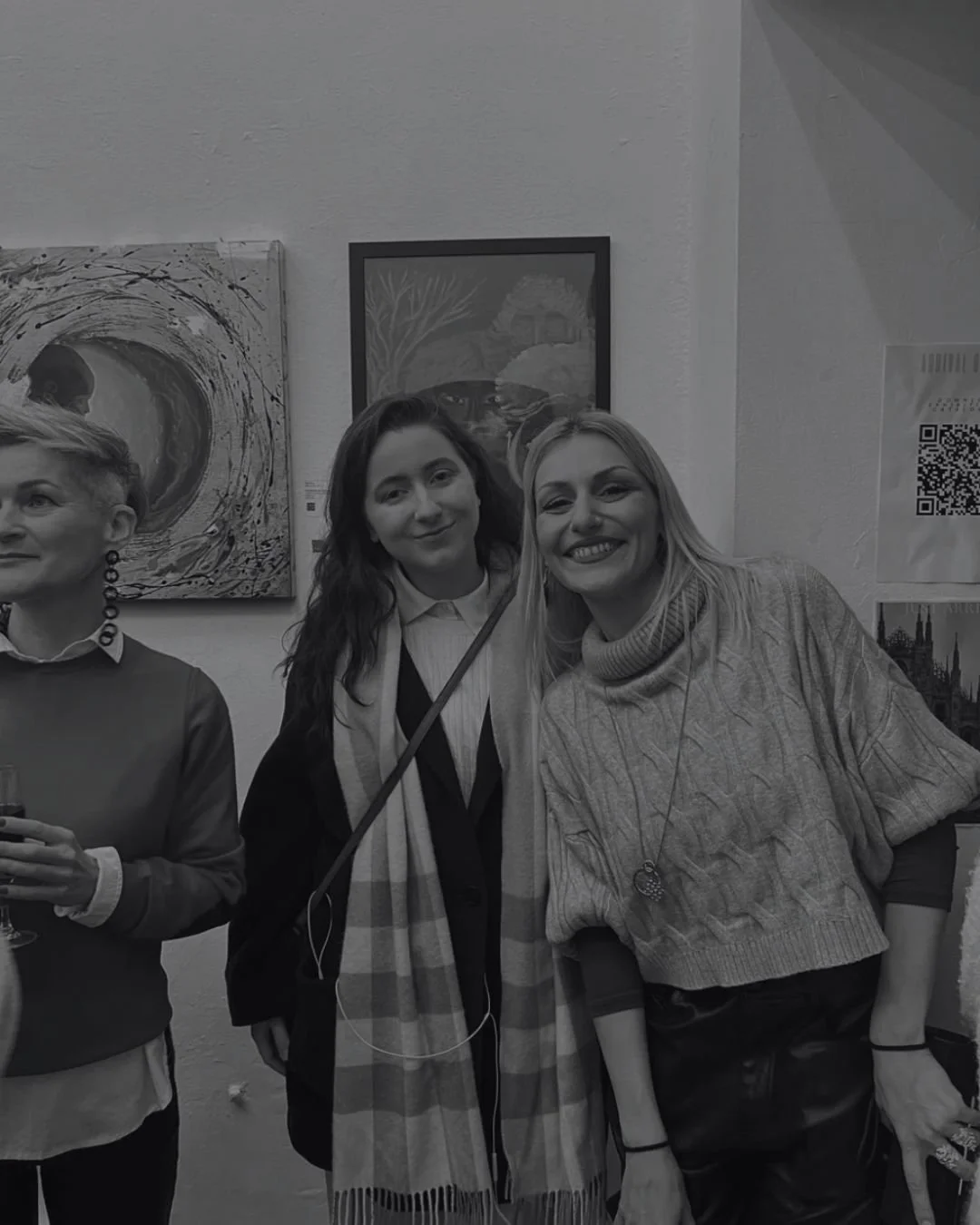
An image from our event in Milan, January 2026
Why do some artists ignore presentation completely?
Some artists simply don’t care much about presentation. They’re focused on making the work itself, and everything around it feels secondary or even distracting. For them, the real substance is the object or idea, not how it’s packaged.
Other times, it’s just not their skill set. Documentation, editing, lighting, and layout are all separate skills, and not everyone is interested in learning them.
And then there are artists who intentionally prefer that rawness. They don’t want the work to feel overly polished or market ready, because presentation can sometimes change the way the artwork is perceived.
Are you an art lover ?
