
Your First Group Exhibition: A Practical Checklist
Your first group exhibition starts with a few practical decisions: which work to show, how it will arrive, and what a visitor needs to know about it. Use this checklist to turn an exciting opportunity into a manageable plan.
Choose a clear selection
Select a small, coherent group of finished works. Check the open call’s medium, size and file requirements before applying. Photograph each piece clearly and make sure the files match the titles in your application. A curator should be able to understand what the work is, how large it is and how it could be displayed.
Make an artwork record
Keep the title, year, medium, dimensions and price together in one document. For a print, include the edition information where relevant. For sculpture or a fragile surface, add handling and display notes. Measure the finished piece, including its frame if the organiser asks for framed dimensions.
This small record saves repeated emails and helps the team create accurate labels. Use the same spelling of your name and the same public social link throughout.
Plan the whole journey
Before committing, list the participation fee, preparation, packing, delivery, return shipping and any travel you choose to make. Read the current terms for sales commission, insurance and collection. A submission deadline, an artwork delivery deadline and an opening date are different things: put all three in your calendar.
If selected, follow the organiser’s installation instructions. Keep photographs of the work’s condition and the packaging, and retain delivery tracking. For digital presentation, confirm the required format and resolution before exporting your final file.
From our artist submissions: Benjamin Kis
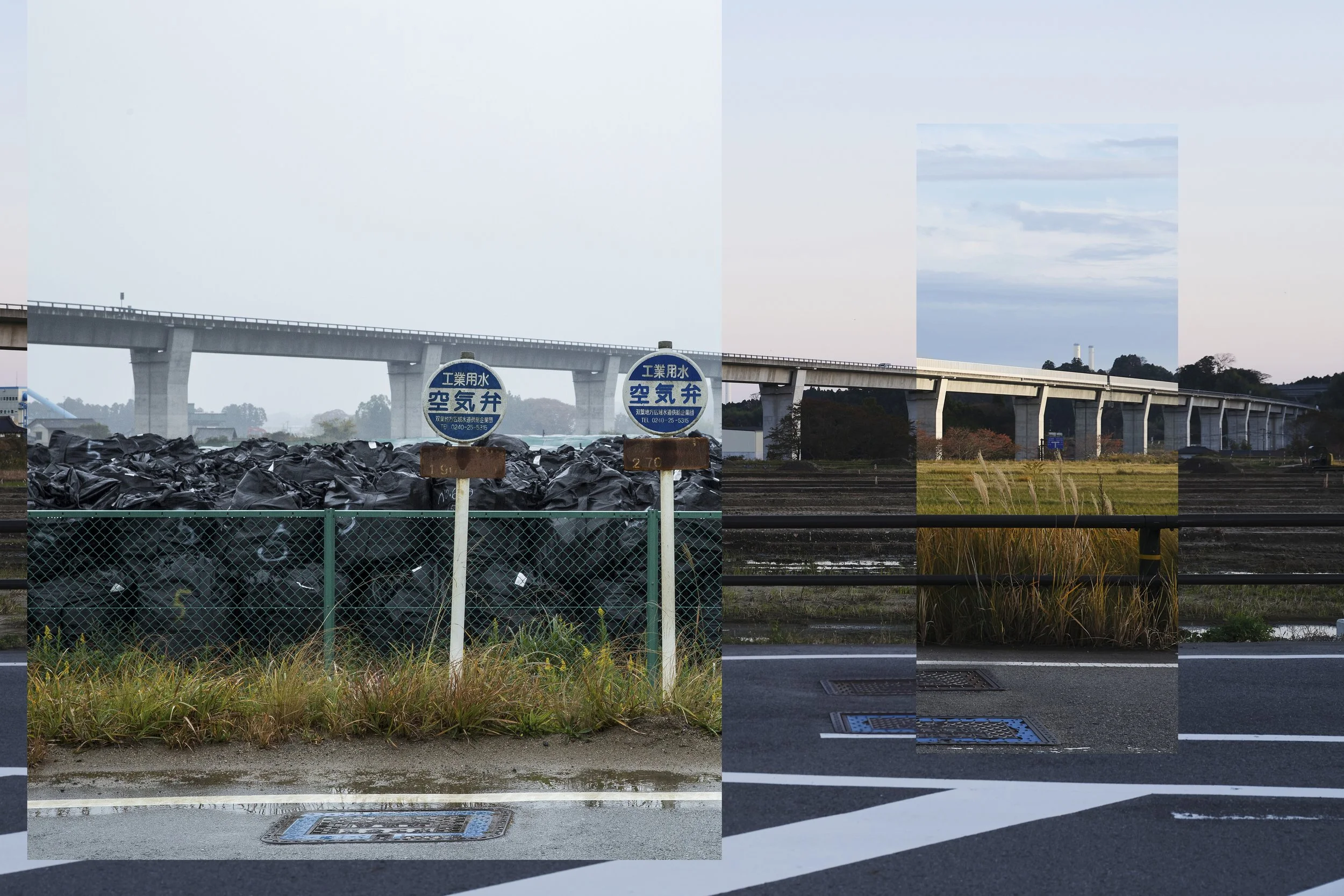
Munich-based photographic artist Benjamin Kis explores time and memory through documentary and portrait work. His long-term Fukushima project returns to viewpoints across different years. The submission pairs a specific image with a concise account of the wider project—a useful reminder that a short, concrete description can give a viewer a way into a substantial body of work.
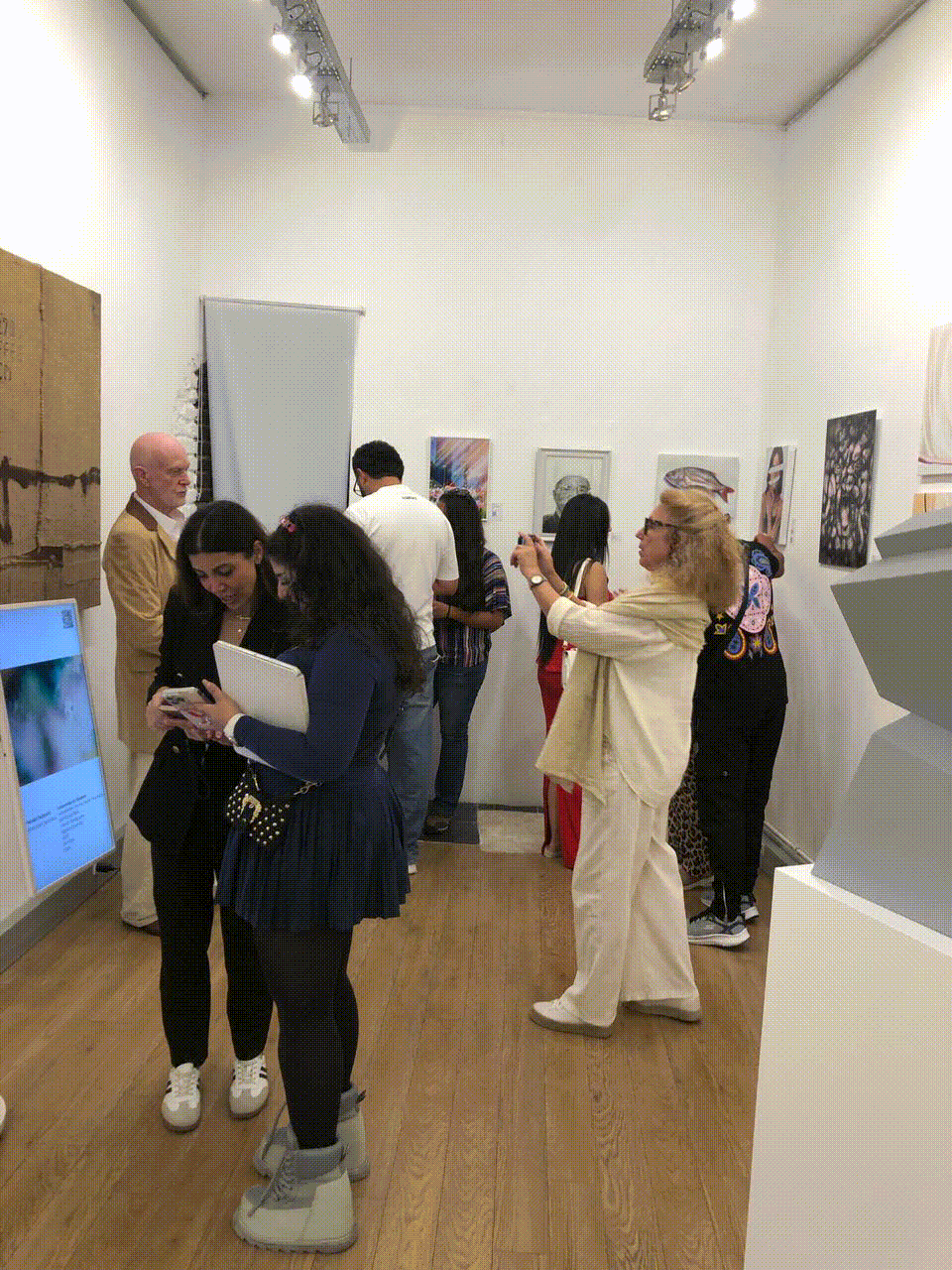
This artwork was shared through Arrival’s submissions. The Paris photographs document a separate past exhibition.
Prepare for conversations
Practise explaining your work in two or three sentences: what you make, what interests you and what someone might notice in this particular piece. Update your portfolio link, save the event information and decide what you would like to learn from participating. Meeting another artist or hearing a thoughtful response can be valuable alongside any sales.
